
What You Must Know About 2026 Federal Income Tax Changes
When the IRS released its 2026 federal income tax bracket adjustments, a lot of Americans assumed “it’s just numbers.” But the truth is far more complex — and for many, 2026 tax bracket changes will have a major income tax impact in 2026 that’s worth planning for now.
In this guide, we’ll break down real changes, explain how 2026 tax bracket changes affect your paycheck, and help answer big questions like will federal income tax rates drop for Americans in 2026? We’ll also provide actual 2026 federal tax bracket shifts explained with salary examples so you truly understand the consequences — good and bad — of these bracket shifts.
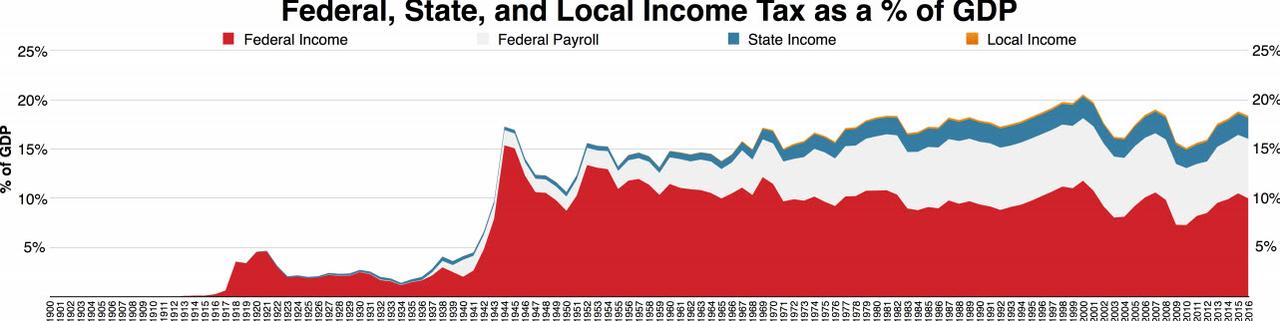
Understanding the Basics: What Are Federal Income Tax Brackets?
Before we dive into the shocking shifts for 2026, let’s ground ourselves in what tax brackets are and why they matter:
- Tax brackets are ranges of income taxed at different rates. The U.S. uses a progressive tax system — meaning higher income is taxed at higher rates.
- Your effective tax rate is usually lower than your highest tax bracket. Only income within each bracket is taxed at that bracket’s rate.
- Each year, the IRS adjusts brackets to reflect inflation — preventing “bracket creep,” where inflation would push people into higher tax brackets with no real increase in spending power.
Tax Brackets 2026 — Full Breakdown (and Why They Can Hurt You)
Below is a clear comparison table of the 2026 tax brackets and rates. These numbers determine how much of your income is taxed at each rate:
| Tax Rate | Single Filers | Married Filing Jointly | Heads of Household |
|---|---|---|---|
| 10% | $0 – $12,400 | $0 – $24,800 | $0 – $17,700 |
| 12% | $12,401 – $50,400 | $24,801 – $100,800 | $17,701 – $67,450 |
| 22% | $50,401 – $105,700 | $100,801 – $211,400 | $67,451 – $105,700 |
| 24% | $105,701 – $201,775 | $211,401 – $403,550 | $105,701 – $201,775 |
| 32% | $201,776 – $256,225 | $403,551 – $512,450 | $201,776 – $256,200 |
| 35% | $256,226 – $640,600 | $512,451 – $768,700 | $256,201 – $640,600 |
| 37% | $640,601+ | $768,701+ | $640,601+ |
Table Source: IRS inflation adjustments for tax year 2026. (Tax Foundation)
Why These Bracket Shifts Might Cost You Thousands
Although the tax rates haven’t dramatically changed, the income thresholds have shifted due to inflation and legislative adjustments (from the One Big Beautiful Bill Act).
Here’s why this matters:
- Modest Inflation Adjustments Aren’t Enough — While thresholds are higher than 2025, they still may not keep pace with how fast wages grow, particularly for high‑income earners.
- Bracket Bite Happens Faster at Higher Incomes — Earning a bigger salary could push more of your income into a higher rate, even if real income hasn’t increased.
- Deductions Don’t Offset Everything — Even with increased standard deductions, the rules around credits and phase‑outs can shrink your benefit.
- Planning Mistakes Can Be Costly — Without adjusting your withholding or deductions, you may owe money or receive a smaller refund.

How 2026 Federal Income Tax Changes Affect Mid-Level Salaries
If you earn a mid-level salary — think roughly $50,000 to $150,000 per year — you might assume the 2026 federal income tax changes won’t impact you dramatically. However, understanding how 2026 tax bracket changes affect your paycheck is crucial because even small shifts can cost—or save—you hundreds or thousands of dollars over the year.
1. Understanding Your 2026 Tax Bracket
For mid-level earners, the tax brackets 2026 that typically apply are:
- 22% bracket: $50,401 – $105,700 (single)
- 24% bracket: $105,701 – $201,775 (single)
- 12% bracket: $12,401 – $50,400 (single)
Even a modest pay raise can push you partially into a higher bracket, meaning some of your income is taxed at 24% instead of 22%. This is called “bracket creep”, and it can quietly reduce your take-home pay if you’re not planning ahead.
2. Standard Deduction and Its Role
The 2026 standard deduction rose to:
- Single filers: $16,100
- Married filing jointly: $32,200
While this seems like a nice cushion, mid-level earners may still see an increase in taxable income if:
- Raises outpace inflation adjustments
- Certain deductions or credits phase out at higher income thresholds
Tip: Track deductions such as student loan interest, charitable donations, and HSA contributions to reduce taxable income efficiently.
3. Child and Family Credits
Many mid-level households rely on child tax credits and other family-related tax benefits. For 2026:
- Child Tax Credit: Up to $2,000 per qualifying child
- Phase-out threshold: $200,000 (single), $400,000 (married filing jointly)
If your income hovers near the upper range of mid-level salaries, these credits may start phasing out, slightly increasing your federal tax liability.
4. How Small Salary Changes Can Make a Big Difference
Let’s look at an example:
Scenario: Single filer earning $80,000 in 2026
| Income Portion | Applicable Tax Rate | Tax Owed |
|---|---|---|
| $0 – $12,400 | 10% | $1,240 |
| $12,401 – $50,400 | 12% | $4,536 |
| $50,401 – $80,000 | 22% | $6,446 |
| Total Tax | — | $12,222 |
- Without planning, a $5,000 raise could push some income into the 24% bracket, increasing taxes by ~$250–$500.
- Over the year, this may reduce your take-home pay more than expected, despite earning more.
5. Planning Tips for Mid-Level Earners
Step 1: Adjust Withholding
- Update your W-4 to reflect expected 2026 income and bracket changes.
- Prevent over- or underpayment and avoid unpleasant surprises at filing.
Step 2: Maximize Retirement Contributions
- 401(k) and IRA contributions reduce taxable income.
- Even modest contributions can offset bracket creep.
Step 3: Track Deduction Limits
- Keep an eye on deduction and credit phase-outs that may apply as your income grows.
- Use tax planning software or a CPA to project next year’s tax impact.
Step 4: Consider Tax Timing
- Delay bonuses or additional income until the next year if it keeps you in a lower bracket.
- Manage stock options and investment income to avoid pushing your total income higher.
6. Key Takeaways
For mid-level earners:
- Bracket creep is real — even moderate raises can increase taxes.
- Standard deductions and credits provide relief, but phase-outs can reduce benefits.
- Proactive tax planning is essential to protect your paycheck in 2026.
- Understanding how 2026 federal income tax changes affect your paycheck lets you maximize your earnings without paying unnecessary taxes.
By staying informed and adjusting your financial strategies now, mid-level earners can avoid surprises and ensure their hard-earned money goes further in 2026.

12 Shocking Tax Bracket Changes You Need to Know
Here are the 12 most important 2026 federal tax changes — and why they might increase your taxes:
1. Inflation Will Still Push You into Higher Taxes Without Proper Planning
Although the IRS indexes brackets for inflation, many taxpayers still face higher taxes if wages outpace those adjustments.
Example: Someone earning just above the 22% threshold may see more of their income taxed at 24% even if inflation‑adjusted brackets rise only modestly.
2. Standard Deduction Increases Might Not Keep Pace
The standard deduction rose for 2026 — $16,100 for singles and $32,200 for joint filers — but hiking deductions doesn’t necessarily fully protect taxpayers from bracket creep. (IRS)
3. Top Tax Rates Still Hit High Earners Hard
The top marginal rate of 37% still applies for high income levels — over $640,601 for singles and $768,701 for married couples — which means that even with inflation indexing, wealthy taxpayers remain heavily taxed.
4. Earned Income Tax Credit Phase‑Outs Affect Working Families More Than Expected
While EITC amounts increased, phase‑out thresholds still shift quickly, meaning some middle‑income workers lose part of the credit faster than anticipated.
5. Capital Gains Changes Mean You Might Pay More on Investments
Capital gains tax brackets barely move, and for higher gains, this could mean more owed than in past years — especially for investors unaware of minor threshold shifts.
6. No Personal Exemption Still Hurts Larger Families
The personal exemption remains at $0 — a policy set years ago and maintained into 2026 — meaning taxpayers cannot subtract this amount per dependent, which increases taxable income.
7. SALT Deduction Cap Still Limits High‑Tax State Relief
State and local tax deductions (SALT) remain capped (even with temporary tweaks), which can hit homeowners in high‑tax states particularly hard.
8. Long‑Term Deduction Phases Out for Higher Incomes
Some deductions — such as overtime and tip income — now have income limits, which means taxpayers above certain MAGI thresholds start losing these benefits.
9. IRMAA Surcharge Brackets Still Raise Medicare Premiums If You’re Above Thresholds
While not a direct income tax, income‑related Medicare surcharges (IRMAA) still apply if MAGI exceeds certain limits — meaning more money comes out of Social Security.
10. Slow IRS Processing Could Delay Refunds or Increase Errors
IRS staffing issues and furloughs, combined with complicated 2026 tax rules,resul may delay returnt in s or mistakes — resulting in interest and penalties.
11. Proposal Discussions to Eliminate Federal Income Tax for Lower Incomes Could Change the Game (But Are Uncertain)
Political proposals abound — such as plans to eliminate federal income taxes for certain earners — but these are not yet law and shouldn’t be counted on.
12. Retirement Limits Rise, Which Could Backfire Without Smart Planning
Contribution limit increases (401(k), IRA) help save more, but if not managed, they can push your MAGI higher, costing you more in taxes.
How 2026 Tax Bracket Changes Affect Your Paycheck — Real Salary Examples
Let’s walk through a few salary examples to illustrate income tax impact in 2026.
- Single Filer Earning $60,000:
- Part of your income stays in the 12% bracket, but most sits in 22%.
- Without planning, slight increases in income could push more into 24%.
- Married Filing Jointly at $150,000:
- Even with higher thresholds, a big portion of income is taxed at 22% and 24%.
- Standard deduction helps, but deductions and credits may phase out.
- High Earner ($500,000+):
- Large segments reach 32%, 35%, and 37% brackets.
- Capital gains and investment income could balloon your tax bill.
These examples show how seemingly small changes in brackets can cost thousands if you don’t plan.
2026 Tax Planning Guide for Bracket Changes and Deductions
Here’s how you can get ahead of the curve and reduce surprise tax bills:
1. Adjust Your Withholding Now
If your paycheck feels smaller due to bracket changes, update your W‑4 form to reduce surprises at tax time.
2. Maximize Deductions
- Contribute to retirement accounts
- Use Health Savings Accounts (HSAs)
- Consider timing deductible expenses
3. Use Credits Wisely
Earned income and child tax credits can reduce your tax owed — but check phase‑out rules carefully.
4. Reevaluate Investment Timing
If capital gains exposure is high, consider tax‑loss harvesting or timing asset sales to reduce taxes.

2026 Federal Tax Bracket Shifts Explained with Salary Examples for Small Business Owners
Small business owners often have unique tax challenges. Unlike salaried employees, they deal with self-employment taxes, quarterly estimated payments, and a mix of business and personal deductions. Understanding how 2026 federal tax bracket changes affect your paycheck and overall tax liability is critical for keeping more of your hard-earned income.
1. Why Small Business Owners Need Special Attention
- Small business income is subject to both income tax and self-employment tax (~15.3%).
- Income can fluctuate, moving owners into higher tax brackets unexpectedly.
- Tax planning mistakes can result in large underpayments, penalties, or interest.
According to IRS guidelines, careful tracking of income and deductions is essential to avoid surprises.
2. Understanding 2026 Federal Tax Bracket Shifts
For small business owners filing as individuals, the relevant tax brackets 2026 are:
| Tax Rate | Income Range (Single) | Income Range (Married Filing Jointly) |
|---|---|---|
| 10% | $0 – $12,400 | $0 – $24,800 |
| 12% | $12,401 – $50,400 | $24,801 – $100,800 |
| 22% | $50,401 – $105,700 | $100,801 – $211,400 |
| 24% | $105,701 – $201,775 | $211,401 – $403,550 |
| 32% | $201,776 – $256,225 | $403,551 – $512,450 |
| 35% | $256,226 – $640,600 | $512,451 – $768,700 |
| 37% | $640,601+ | $768,701+ |
Even moderate business growth can push income into the next bracket, increasing both income tax impact 2026 and self-employment tax liability.
3. Salary Examples for Small Business Owners
Example 1: Solo Consultant — $80,000 Annual Net Income
- Bracket: Primarily 22% for taxable income.
- Self-employment tax: 15.3% on net business income.
- Planning Tip: Deduct half of self-employment tax on Form 1040 to reduce taxable income.
- Potential savings: $1,200+ if retirement contributions and health deductions are maximized.
Example 2: Married Partners — $180,000 Combined Income
- Bracket: 24% on taxable income exceeding $211,401 threshold, 22% below.
- Deductions: Standard deduction $32,200 reduces taxable income; additional business expenses further lower tax liability.
- Planning Tip: Track quarterly estimated payments closely to avoid penalties.
Example 3: High-Earning Small Business Owner — $500,000 Net Income
- Bracket: Income hits 32% and 35% marginal brackets.
- Self-employment tax: Significant impact; consider strategies like S-Corp election to reduce exposure.
- Planning Tip: Maximize 401(k)/SEP IRA contributions, and consider timing income and deductions to manage bracket creep.
4. Key Deductions for Small Business Owners in 2026
Common deductions that affect taxable income and tax bracket positioning:
- Business expenses (office rent, utilities, software, equipment)
- Home office deduction (if qualified)
- Health insurance premiums for self-employed individuals
- Retirement contributions (SEP IRA, Solo 401(k))
- Business travel and meals (50% deductible for 2026)
Leveraging these deductions strategically helps reduce taxable income, keeping you in a lower bracket and reducing your income tax impact 2026.
5. Quarterly Tax Planning
Small business owners must pay estimated taxes quarterly, accounting for both federal income and self-employment taxes:
- Use prior year income as a baseline, but adjust for 2026 federal tax bracket changes.
- Avoid underpayment penalties by staying aware of bracket shifts that increase marginal rates.
- Tools like QuickBooks, TurboTax, or CPA guidance can simplify these calculations.
6. Tips to Minimize 2026 Tax Liability for Entrepreneurs
- Incorporate Retirement Contributions Early
- Contribute pre-tax dollars to a SEP IRA or Solo 401(k) to reduce taxable income.
- Time Income Strategically
- Delay invoicing to the next tax year if your current year’s income is near a higher bracket.
- Leverage Business Deductions
- Keep meticulous records; deduct every legitimate business expense.
- Monitor Legislative Changes
- Even minor IRS adjustments can affect tax liability. Subscribe to IRS small business updates.
- Hire a Tax Professional
- Complex incomes benefit from CPA guidance to ensure compliance and maximize deductions.
7. Key Takeaways for Small Business Owners
- 2026 federal tax bracket shifts explained with salary examples show that even small changes in net income can significantly impact taxes.
- Planning proactively — through deductions, retirement contributions, and quarterly payments — is crucial.
- Staying informed about federal tax changes ensures you keep more of your earnings and avoid unpleasant surprises at tax time.
By understanding how 2026 tax bracket changes affect your paycheck and overall small business income, you can make strategic decisions that save thousands.
Step-by-Step 2026 Tax Planning Guide for Bracket Shifts and Deductions
Understanding 2026 federal tax changes is only the first step — the real power comes from proactive planning. For many Americans, especially mid-level earners and small business owners, using a 2026 tax planning guide for bracket changes and deductions can save thousands and prevent unexpected surprises.
This section breaks it down step-by-step, making it actionable and easy to follow.
Step 1: Review Your Current Income and Tax Bracket
Before you plan, you need a clear snapshot of your 2026 federal income tax position:
- Determine your gross income for the year.
- Identify which tax brackets 2026 apply to your filing status.
- Calculate how 2026 tax bracket changes affect your paycheck using projected income.
Tip: Use online calculators or IRS worksheets to estimate withholding changes and tax liability.
Step 2: Adjust Withholding on Your Paychecks
The IRS withholding system is designed to collect taxes gradually, but bracket shifts can disrupt it:
- Update your W-4 form with accurate information.
- Consider increasing contributions to pre-tax retirement accounts (401(k), 403(b), traditional IRA) to lower taxable income.
- Monitor withholding after any raise or bonus to prevent bracket creep from surprising you at tax time.
Step 3: Maximize Deductions to Lower Taxable Income
The standard deduction has increased for 2026, but itemized deductions can provide extra savings for certain taxpayers:
Common deductions mid-level earners can use:
- Charitable donations: Fully deductible if you itemize.
- Medical and dental expenses: Deductible beyond a percentage of adjusted gross income.
- Mortgage interest and property taxes: Subject to SALT limits, but still helpful.
- State income taxes: Deductible within the SALT cap.
By maximizing deductions, you can offset part of the higher tax rates and reduce your income tax impact 2026.
Step 4: Leverage Tax Credits Strategically
Unlike deductions, tax credits directly reduce your tax bill dollar-for-dollar. Mid-level earners should focus on:
- Child Tax Credit (CTC) — phased out at higher incomes.
- Earned Income Tax Credit (EITC) — primarily for lower-to-middle income households.
- Education credits — Lifetime Learning Credit or American Opportunity Credit.
- Energy-efficient home credits — for solar panels, electric vehicles, or home efficiency upgrades.
Pro tip: Check phase-out limits carefully; earning slightly above the threshold can reduce your credit significantly.
Step 5: Manage Investment Income
Investment income, including capital gains and dividends, is taxed at different rates than regular wages. Small shifts in brackets can increase taxes on investment income:
- Consider tax-loss harvesting to offset gains.
- Time the sale of assets to avoid pushing income into a higher bracket.
- Review dividend-producing investments for 2026 impact.
Understanding 2026 federal tax bracket shifts explained with salary examples can help you make these decisions more confidently.
Step 6: Plan Retirement Contributions Wisely
401(k)s, IRAs, and HSAs offer opportunities to reduce taxable income:
- 401(k) limit for 2026: $22,500 (plus $7,500 catch-up if over 50)
- Traditional IRA limit: $6,500 ($7,500 if 50+)
- HSA contribution: $3,850 (individual), $7,750 (family)
By contributing pre-tax dollars, you lower your taxable income, keeping more of your paycheck in a lower bracket.
Step 7: Consider Timing Income and Expenses
If possible, shift income or deductions between years to manage bracket impact:
- Delay bonuses or freelance payments if it keeps you in a lower bracket.
- Prepay deductible expenses (like mortgage interest or medical expenses) to maximize itemized deductions in 2026.
This strategy is especially useful for taxpayers near the 22% or 24% brackets, where small income changes have outsized tax consequences.
Step 8: Use a Comprehensive Tax Planner or CPA
For mid-level earners, a CPA or tax planning software can:
- Provide personalized estimates based on your exact income and deductions.
- Help identify credits and deductions you may overlook.
- Prevent errors that trigger IRS penalties or missed savings.
Investing in professional guidance can pay for itself many times over — especially with complex 2026 federal tax changes.
Step 9: Monitor Legislative Updates
Tax law is never static. Even small federal tax changes announced mid-year can impact your planning:
- Stay informed on IRS updates.
- Watch for proposals like temporary credits, modified deduction rules, or inflation adjustments.
- Adjust your withholding and planning as necessary.
Step 10: Reevaluate Your Plan Quarterly
- Income, bonuses, stock options, and side business income can shift your effective tax rate.
- Schedule quarterly check-ins to ensure your tax planning aligns with 2026 federal income tax brackets.
Staying proactive ensures you avoid surprises and maximize tax savings.
Step 11: Keep Accurate Records
- Maintain detailed records of income, deductions, and credits.
- Use digital tools or organized files to make year-end filing seamless.
- Proper documentation ensures deductions and credits are fully captured, reducing errors and audit risk.
Step 12: Review Mid-Year and Year-End Tax Scenarios
- Run “what-if” scenarios mid-year to forecast your tax bill under different income or deduction assumptions.
- Use these insights to adjust contributions, withholding, or spending, minimizing your income tax impact 2026.
This ensures you stay in control of your finances and avoid unnecessary payments.
Key Takeaways from This 2026 Tax Planning Guide
By following these steps:
- You’ll understand how 2026 tax bracket changes affect your paycheck.
- You’ll proactively reduce the risk of paying thousands more due to bracket creep.
- You’ll optimize deductions and credits for maximum tax efficiency.
- You’ll be prepared for mid-year surprises and legislative updates.
In short, a thoughtful 2026 tax planning guide for bracket changes and deductions is the key to keeping more of your paycheck while staying compliant.
Conclusion — Your Action Plan
2026’s federal income tax landscape is full of nuance. While tax brackets 2026 and inflation adjustments help protect many earners, others could still pay more than expected — especially if caught off guard.
Understanding how 2026 tax bracket changes affect your paycheck is the first step to beating surprises. The key? Planning, adulting your financial strategy, and adjusting your tax habits earlier, not later.
For a deeper dive on tax strategy and returns, the Internal Revenue Service’s official 2026 inflation adjustments page is an essential reference. IRS Tax Year 2026 Adjustments Announcement (irs.gov)
And for a broader perspective on how these brackets compare historically, Britannica’s breakdown of 2026 tax brackets offers excellent insight. 2026 Tax Brackets Overview (britannica.com)