
Why Clean Energy Investment Europe Matters Now
Europe’s clean energy transformation isn’t just a policy slogan — it’s a massive economic shift reshaping global investment flows. With ambitious decarbonisation goals and escalating climate urgency, the continent needs unprecedented levels of investment in clean electricity, green infrastructure, and sustainable technology. The European Commission’s Clean Energy Investment Strategy for 2026–2030 anticipates that Europe will require roughly €660 billion per year in clean energy investment, climbing toward €695 billion annually after 2030, to power the economy on clean and secure energy.
But here’s the critical twist: public funds alone won’t suffice. Instead, the strategy pivots on attracting private capital at scale, pairing it with smart policy, de‑risking tools, and infrastructure support. This post breaks down 8 powerful ways this will play out — and how investors, entrepreneurs, and policymakers alike can position themselves for success.
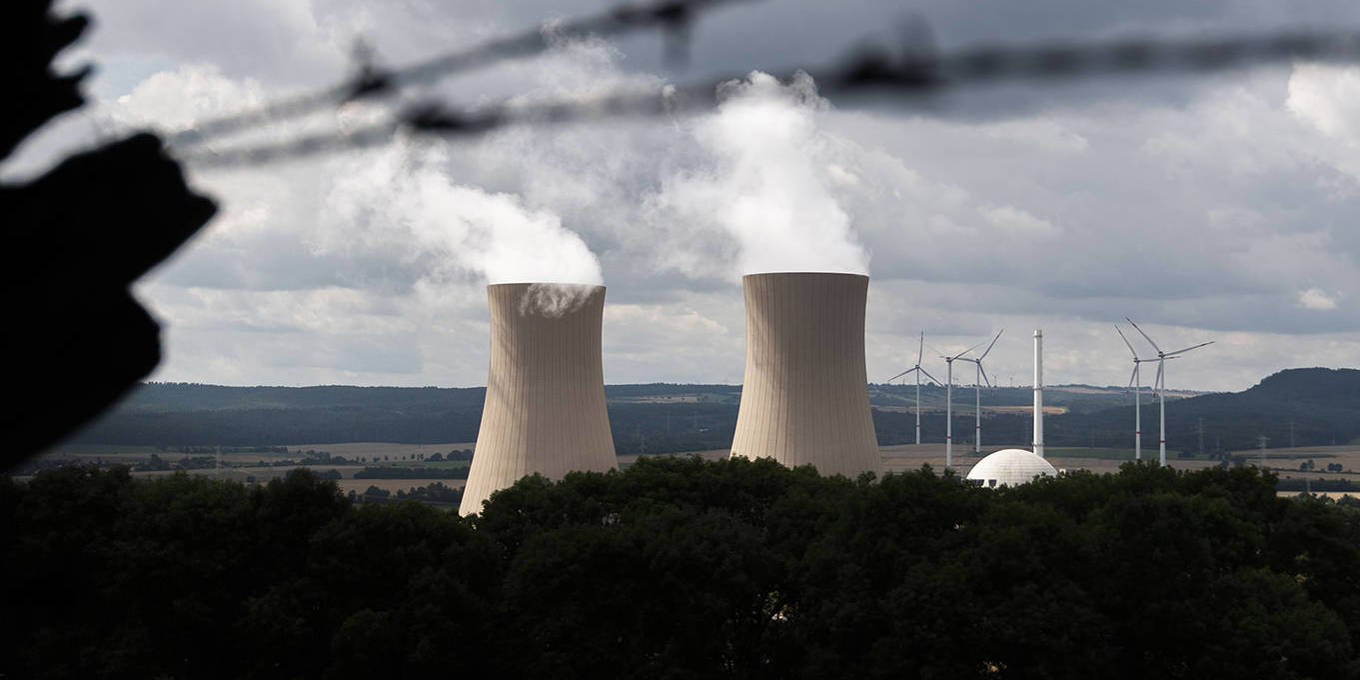
1. How Europe’s Clean Energy Strategy Attracts Private Capital 2026
The starting point for unlocking private capital is understanding the policy framework itself. The Clean Energy Investment Strategy adopted by the Commission in March 2026 clearly prioritises mechanisms that:
- Bridge the gap between public and private financing needs, using public funding strategically to reduce risk and improve returns for private investors.
- Encourage structured investment vehicles like the Strategic Infrastructure Investment Fund, designed to supply long‑term equity to grid operators and other critical infrastructure.
- Create forums for dialogue between policymakers and financial markets, such as the new Energy Transition Investment Council that aligns investment conditions with regulatory certainty.
The net result? The policy is no longer reactive — it’s intentionally built to pull Europe’s abundant private capital into the renewable energy sector.
2. Green Finance EU Initiatives: The Policy Engine Driving Capital to Renewables
“Green Finance EU” has been more than a buzzword — it’s now a practical framework for aligning investment markets with climate targets. It encompasses legislative and financial tools designed to:
- Promote standardised green taxonomies that clarify what counts as a sustainable investment.
- Encourage institutional investors to allocate to low‑carbon assets.
- Improve disclosure standards to build investor confidence.
This policy clarity alone helps reduce uncertainty, one of the biggest barriers for institutional money to flow into clean energy. By ensuring that funds adhere to strict climate benchmarks, the EU is setting the stage for long‑term capital commitments — a major step in mobilising private capital.
Example: Stronger sustainability disclosure requirements help financial firms and fund managers demonstrate climate alignment — a key part of attracting global capital flows. (See EU Sustainable Finance Disclosure Regulation for more details.)
3. EU Clean Energy Funds: Understanding Funding Streams and Their Roles
When it comes to actual money on the table, the European Union has developed a suite of funding vehicles that actively support clean energy efforts. These include both public investment and instruments that leverage private money:
Major EU Clean Energy Funds
| Fund / Initiative | Purpose | Private Capital Role |
|---|---|---|
| InvestEU | Mobilises investments across sustainable infrastructure, innovation, SMEs | Blends public risk capacity with asset financing — attracts private co‑investors |
| Recovery and Resilience Facility (RRF) | Supports climate and energy reforms post‑pandemic | Encourages private participation through project readiness |
| Cohesion Fund & Modernisation Fund | Supports renewable energy and grid projects across member states | Co‑finances to reduce risk and bring in private equity |
| Innovation Fund | Demonstration of advanced clean tech | Reduces innovation‑stage risk to attract venture capital |
This table highlights how EU financial mechanisms operate not as ends in themselves but as capital multipliers — by reducing risk, improving project viability, and making investment opportunities more attractive to private players.
4. Best Renewable Energy Investment Opportunities in Europe in 2026
Europe’s clean energy market offers a wide array of opportunities, each with its own risk‑reward profile. Some of the most compelling areas for investors include:
Renewable Generation Projects
- Onshore and Offshore Wind: Large capacity additions with long‑term revenue streams.
- Solar PV Farms: Especially utility‑scale projects in Southern Europe due to high irradiance.
Grid and Storage Infrastructure
- Modernising electricity grids to link renewable sources efficiently.
- Energy storage solutions that support intermittent supply.
Energy Efficiency Retrofits
- Upgrading buildings and industrial facilities to reduce energy demand, backed by co‑financing programmes.
Emerging Clean Tech
- Technologies like long duration storage, next‑generation hydrogen, and smart grid software — albeit more nascent, these offer higher growth potential.
Investors gain not just financial return but also policy alignment with the EU’s decarbonisation targets — a combination that typically attracts institutional capital.
5. EU Clean Energy Investment Policy for Private Investors: What You Need to Know
Navigating the policy environment is essential for any savvy investor. Europe’s approach hinges on three main areas:
Policy Certainty
Long‑term frameworks that reduce regulatory risk are critical. The EU is refining permitting, standardising rules, and aligning national plans with broader climate goals.
De‑Risking Mechanisms
Public guarantees, first‑loss capital, and blended finance structures reduce risk for private investors, especially in early‑stage infrastructure and technology ventures.
Market Integration
The push to harmonise energy markets across member states means broader investment opportunities and easier cross‑border capital allocation.
This policy environment is a strong magnet for patient capital — pension funds, sovereign wealth funds, and strategic investors increasingly view Europe’s clean energy transition as a core allocation priority.
6. Unlocking Private Capital for Sustainable Infrastructure in Europe
Sustainable infrastructure — such as upgraded grids, electric vehicle charging networks, and distributed energy resources — requires private capital on an unprecedented scale. To unlock this:
- Public finance can act as a risk cushion, improving bankability.
- Green bonds and blended finance products create new markets for institutional investors.
- Revenue‑support mechanisms help ensure predictable cash flows for infrastructure projects.
One key focus is grid enhancement, which is the backbone of renewable deployment. A well‑planned grid assures investors that generated clean power can actually reach consumers — a simple idea with major economic implications.
7. Overcoming Barriers: Permitting, Risk, and Investor Hesitancy
Despite the huge potential, Europe still faces real barriers:
- Permitting delays: Some renewable projects wait years for approval — slowing deployment and frustrating investors.
- Structural financing gaps: Early‑stage clean tech often lacks attractive financing options without public support.
- Market fragmentation: Differing national policies can dissuade cross‑border capital flows.
Addressing these bottlenecks will be central to turning potential investment into realised capital — and the EU’s upcoming regulatory updates are explicitly designed to confront these issues head‑on.
8. How to Position for Success: Practical Steps for Investors in 2026
Whether you’re an institutional investor, family office, or clean energy entrepreneur, these practical tactics can help you capitalise on the momentum:
For Institutional Investors
- Prioritise sectors with long‑term policy backing (e.g., solar, wind, storage).
- Use green bonds and sustainable finance tools to diversify risk.
For Venture Capital & Growth Funds
- Target early‑stage clean technologies that are supported by EU programmes.
- Collaborate with public agencies to de‑risk investments.
For Project Developers
- Align projects with EU funding windows to maximise co‑financing.
- Engage early with permitting authorities.
By understanding regulatory frameworks and partnering strategically, investors can turn Europe’s clean energy goals into profitable, future‑proof portfolios.
How Europe’s Clean Energy Strategy Attracts Private Capital in 2026
Europe’s transition to clean energy is more than a policy goal—it’s a carefully orchestrated strategy to attract private capital into the renewable energy sector. The European Commission’s Clean Energy Investment Strategy for 2026 focuses on creating an environment where investors feel secure, incentivized, and confident that their capital will generate both financial returns and measurable environmental impact.
1. Policy Certainty Reduces Investment Risk
One of the key levers is regulatory certainty. Inconsistent policies have historically deterred investors from committing large sums to renewable projects. By harmonizing rules across member states and providing long-term frameworks, Europe signals to private investors that their projects will not face abrupt regulatory shifts. This stability is particularly important for large-scale projects like offshore wind farms or utility-scale solar parks, which require long-term financing commitments.
2. Public-Private Partnerships and De-Risking Mechanisms
The strategy emphasizes public-private collaboration, using government resources to lower investment risks. For example:
- Guarantees and first-loss capital: Public funds can absorb initial losses, making projects safer for private investors.
- Co-financing opportunities: EU funds often match private capital, effectively doubling investment capacity.
- Blended finance models: Combining grants, loans, and equity reduces uncertainty for early-stage and infrastructure-heavy projects.
These tools make it much easier for pension funds, insurance companies, and other institutional investors to participate in the energy transition without bearing excessive risk.
3. Streamlined Permitting and Approval Processes
Slow permitting has been a major barrier in the past, delaying renewable projects and frustrating investors. The 2026 strategy includes efforts to streamline administrative procedures, provide clear timelines, and ensure environmental compliance requirements are predictable. For investors, this transparency is critical: knowing when projects will become operational allows for better financial planning and risk assessment.
4. Strategic Investment Councils and Market Dialogue
To further attract private capital, the EU has established forums such as the Energy Transition Investment Council, which brings together policymakers, regulators, and market participants. These councils facilitate:
- Direct communication between investors and government bodies
- Guidance on aligning projects with EU climate targets
- Opportunities to discuss financing gaps, co-investment structures, and market trends
By maintaining an ongoing dialogue, investors gain insight into upcoming policy shifts and funding windows, improving their ability to make informed, confident investment decisions.
5. Long-Term Vision and Alignment with Climate Goals
Perhaps most importantly, the strategy presents a long-term, credible vision. Investors are increasingly drawn to markets that combine financial opportunity with environmental impact. Europe’s commitment to reaching net-zero emissions by 2050 and intermediate 2030 targets ensures that clean energy investments are not just profitable but aligned with global sustainability trends.
Key Takeaways:
- Europe is creating a stable, predictable environment that encourages private capital.
- Public-private partnerships and de-risking tools reduce financial exposure.
- Streamlined permitting and strategic councils improve investor confidence.
- Alignment with long-term climate goals ensures sustainability and profitability.
By focusing on these elements, the EU’s clean energy strategy naturally attracts private capital, turning policy frameworks into tangible investment opportunities that support both economic growth and environmental stewardship.

Green Finance EU Initiatives and EU Clean Energy Funds
In 2026, Green Finance EU initiatives have become a central pillar of Europe’s strategy to mobilize private capital for clean energy projects. These initiatives aim to create a transparent, reliable, and attractive investment environment, enabling both institutional and private investors to confidently participate in the energy transition. Combined with EU clean energy funds, these mechanisms act as powerful catalysts for unlocking capital at scale.
1. What is Green Finance EU?
At its core, Green Finance EU refers to the European Union’s framework of policies, incentives, and financial instruments that channel investment towards sustainable and climate-aligned projects. Key features include:
- Standardized taxonomies: Clear definitions of what qualifies as sustainable reduce ambiguity for investors.
- Disclosure requirements: Companies and funds must report environmental impact, helping investors make informed decisions.
- Incentives for private capital: Grants, guarantees, and co-financing models reduce risks associated with renewable projects.
This structured approach ensures that investors know exactly what they are funding and what outcomes to expect, increasing the flow of private capital.
2. Major EU Clean Energy Funds
The EU has created several funds specifically designed to support renewable energy and sustainable infrastructure projects. These funds blend public and private capital, making investments more attractive while mitigating financial risks.
| Fund Name | Purpose | How Private Capital is Engaged |
|---|---|---|
| InvestEU | Promotes investment in sustainable infrastructure and innovation | Provides guarantees and co-financing that reduce risk for private investors |
| Innovation Fund | Supports demonstration projects in low-carbon technologies | Attracts venture capital and corporate investment by covering early-stage risks |
| Recovery and Resilience Facility (RRF) | Funds climate-focused projects in member states | Encourages private participation by co-financing and preparing project readiness |
| Cohesion & Modernisation Funds | Supports renewable energy deployment in less-developed regions | Partners with private investors to leverage EU contributions effectively |
This table highlights how EU funds act as multipliers for private investment. Rather than fully funding projects, the EU reduces risk and enhances returns, making it much easier for private capital to flow into renewable energy initiatives.
3. How These Initiatives Unlock Private Capital
Green Finance EU initiatives unlock investment through several channels:
- Blended finance: Public funds reduce perceived risk, encouraging private equity participation.
- Green bonds: Investors purchase bonds backed by sustainable projects, offering reliable returns with ESG benefits.
- Co-investment programs: EU funds often match private contributions, effectively doubling the capital available for projects.
- Policy alignment: Projects meeting EU sustainability criteria qualify for preferential financing, making them more attractive to institutional investors.
This combination of financial incentives, risk mitigation, and policy clarity creates a fertile environment for investors seeking long-term, sustainable returns.
4. Case Examples of Impact
- A 2026 offshore wind project in the North Sea received co-financing through InvestEU, attracting €400 million in private investment while reducing risk exposure for early-stage developers.
- Small-scale solar initiatives in Southern Europe leveraged Innovation Fund grants to secure venture capital for innovative battery storage solutions.
These examples demonstrate how EU funds not only provide direct financial support but also signal credibility, encouraging private capital to participate.
5. Why Investors Should Pay Attention
For investors looking for Europe private capital renewable opportunities:
- EU-backed funds reduce exposure to political and market risk.
- Projects aligned with EU sustainability criteria often enjoy lower financing costs.
- Participation in Green Finance EU initiatives positions investors at the forefront of Europe’s energy transition, combining financial returns with long-term climate impact.
By understanding the framework of Green Finance EU initiatives and EU clean energy funds, investors can strategically deploy capital where it matters most — unlocking sustainable profits while supporting Europe’s ambitious climate goals.
Key Takeaways:
- Green Finance EU initiatives provide structure, transparency, and credibility for investors.
- EU clean energy funds act as risk-reducing catalysts for private capital.
- Blended finance, co-investment, and green bonds are effective tools for scaling investment.
- Alignment with policy and sustainability goals ensures both profitability and impact.
Best Renewable Energy Investment Opportunities in Europe in 2026
Europe’s clean energy market in 2026 is brimming with investment potential. From established sectors like wind and solar to emerging technologies such as energy storage and green hydrogen, there are diverse opportunities for private capital. Understanding where to focus allows investors to maximize returns while contributing to the continent’s decarbonization and energy security goals.
1. Onshore and Offshore Wind Energy
Wind energy continues to be a cornerstone of clean energy investment Europe.
- Onshore Wind: Mature technology, predictable output, and strong policy support in countries like Germany, Spain, and Poland. Onshore wind projects typically benefit from long-term power purchase agreements (PPAs), offering stable cash flows for private investors.
- Offshore Wind: Rapidly growing segment with massive potential in the North Sea, Baltic Sea, and the Atlantic coasts. Offshore projects often require higher upfront capital but offer higher energy yields and long-term returns, making them attractive for institutional investors.
Investment Insights: Blended finance and EU-backed guarantees can reduce project risk, while public incentives accelerate deployment.
2. Solar Photovoltaic (PV) Farms
Solar PV remains one of the most accessible and scalable renewable options across Europe.
- Utility-scale solar farms in Southern Europe (Spain, Italy, Portugal, Greece) benefit from high solar irradiance.
- Emerging community and rooftop solar projects offer opportunities for smaller-scale investors and local co-ownership models.
Why It Works for Investors: Solar PV has declining technology costs, strong EU policy support, and predictable production patterns. EU clean energy funds often co-finance solar projects, enhancing investor confidence.
3. Energy Storage and Grid Modernization
Energy storage is critical for integrating intermittent renewable sources like wind and solar. Key investment areas include:
- Battery storage facilities: Facilitate grid balancing and energy reliability.
- Pumped hydro storage: Established technology for large-scale energy stabilization.
- Smart grid solutions: Software and infrastructure enabling efficient energy distribution across borders.
Investor Appeal: Storage projects benefit from predictable revenue streams through grid services and are increasingly backed by policy incentives.
4. Green Hydrogen and Emerging Clean Tech
Green hydrogen is one of the most promising emerging technologies in Europe’s renewable landscape:
- Produced using electrolysis powered by renewables, green hydrogen can decarbonize heavy industry and transport.
- European countries like Germany, the Netherlands, and France are investing heavily in hydrogen infrastructure.
Other emerging technologies include carbon capture and storage, next-gen bioenergy, and offshore floating solar, offering higher risk but potentially exceptional returns.
5. Energy Efficiency and Retrofitting Projects
Energy efficiency is often overlooked but represents one of the fastest ways to reduce emissions while delivering financial returns:
- Industrial retrofits: Modernizing factories to consume less energy.
- Building efficiency: Upgrading residential and commercial buildings with insulation, smart meters, and efficient HVAC systems.
Why It Matters: These projects often qualify for EU funding and can attract blended finance, making them viable for private investors seeking stable returns.
6. Comparative Table of Opportunities
| Sector | Investment Scale | Risk Profile | Return Potential | EU Support |
|---|---|---|---|---|
| Onshore Wind | Medium-Large | Low-Medium | Moderate | PPAs & EU funds |
| Offshore Wind | Large | Medium | High | EU guarantees & co-financing |
| Solar PV | Small-Large | Low | Moderate | Innovation Fund & RRF |
| Energy Storage | Medium | Medium | High | Blended finance programs |
| Green Hydrogen | Large | High | Very High | Innovation Fund & EU grants |
| Energy Efficiency | Small-Medium | Low | Moderate | Cohesion & RRF funds |
This table highlights diverse risk-return profiles, helping investors make strategic choices aligned with their risk appetite and capital availability.
7. Key Takeaways for Investors
- Europe offers a wide spectrum of renewable investment opportunities, from proven technologies like wind and solar to emerging sectors like green hydrogen.
- Policy alignment and EU financial support reduce risk and increase long-term returns.
- Energy storage and grid modernization are high-growth areas essential for scaling renewable deployment.
- By carefully selecting sectors that balance risk, return, and policy incentives, investors can maximize both financial and environmental impact.
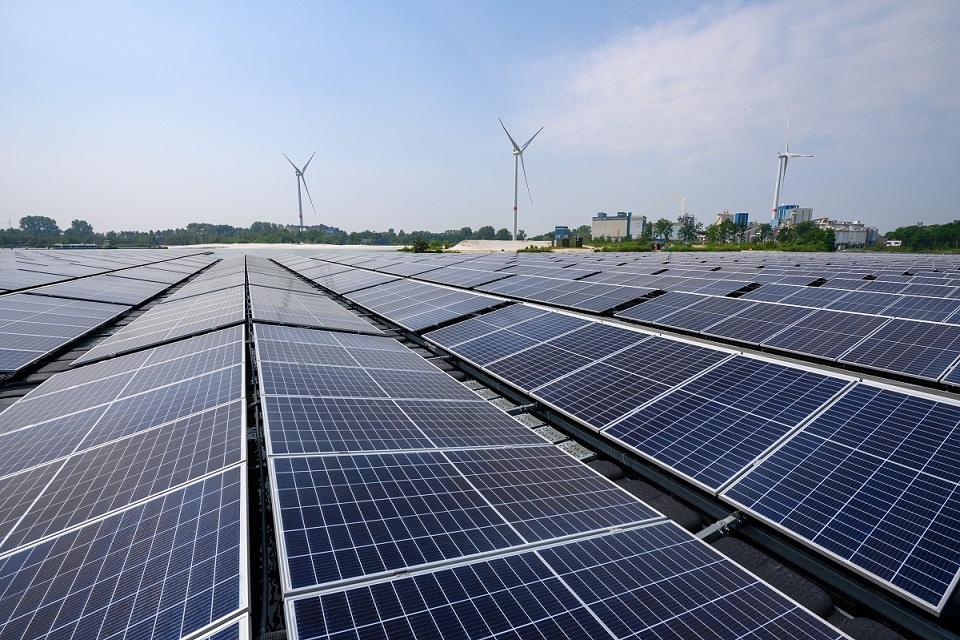
Unlocking Private Capital for Sustainable Infrastructure in Europe
Europe’s clean energy transformation depends not only on renewable generation but also on the development of sustainable infrastructure — including electricity grids, energy storage, electric mobility networks, and smart city solutions. Mobilizing private capital for sustainable infrastructure in Europe is therefore critical to achieving 2026 and 2030 energy goals.
1. Understanding the Financing Gap
Despite strong policy frameworks, Europe faces a significant investment gap:
- The European Commission estimates €660–695 billion per year is needed for energy transition projects.
- Public funds alone cannot bridge this gap, making private capital essential.
- Institutional investors, pension funds, and private equity are increasingly looking to participate in this long-term growth sector, provided that risks are well managed.
2. Strategies to Unlock Private Capital
Several mechanisms are now being employed to attract private capital into sustainable infrastructure:
a. Green Bonds
Green bonds are debt instruments specifically earmarked for environmental projects, offering investors both financial returns and ESG benefits.
- Governments and corporations issue bonds backed by renewable or low-carbon projects.
- Investors gain predictable returns with reduced risk, especially when co-financed with EU funds.
- Example: Germany and France have issued multi-billion euro green bonds supporting wind, solar, and hydrogen projects.
b. Blended Finance Models
Blended finance combines public and private resources to reduce project risk:
- Public funds can cover early-stage losses or guarantee revenue streams.
- Private investors provide the bulk of capital, confident that risk exposure is limited.
- Example: InvestEU and the Innovation Fund often use blended finance to attract private investors into infrastructure projects.
c. Co-Investment Programs
EU funds frequently match private investments to increase total funding capacity:
- A private investor contributes €10 million to a renewable infrastructure project; the EU may provide an additional €10–15 million.
- This significantly improves project bankability and return on investment.
d. Revenue-Support Mechanisms
Mechanisms like power purchase agreements (PPAs), feed-in tariffs, and capacity contracts ensure predictable cash flows for infrastructure projects:
- Reduces uncertainty for private investors.
- Encourages long-term financing for projects like solar parks, offshore wind farms, and battery storage installations.
3. Addressing Barriers to Investment
While opportunities are abundant, certain barriers must be navigated to fully unlock private capital:
- Permitting delays: Streamlining administrative approvals accelerates project timelines.
- Market fragmentation: Different national regulations can complicate cross-border investment.
- Early-stage project risk: Innovative technologies may require EU-backed guarantees or blended finance structures.
By addressing these barriers, Europe can maximize the flow of private capital and ensure sustainable infrastructure projects are deployed at scale.
4. Real-World Examples of Success
- North Sea Offshore Wind Projects: Multi-billion euro projects attracted private equity and institutional investment, supported by EU guarantees and co-financing, demonstrating effective public-private collaboration.
- EV Charging Networks in Germany: Private investors partnered with EU funds to expand electric vehicle infrastructure, combining grants and predictable revenue streams.
- Battery Storage in Spain: Investors leveraged Innovation Fund grants to deploy large-scale energy storage solutions, mitigating grid intermittency and earning stable returns.
5.Key Takeaways: Unlocking Private Capital for Sustainable Infrastructure in Europe
- Clean energy investment Europe depends on effectively mobilizing private capital into sustainable infrastructure projects such as renewable energy plants, energy storage, and smart grids.
- Mechanisms like green bonds, blended finance, and co-investment programs supported by EU clean energy funds make infrastructure projects bankable and attractive for private investors.
- Green finance EU initiatives play a critical role in reducing investment risks and ensuring that Europe private capital renewable flows into high-impact projects.
- Addressing barriers such as permitting delays, market fragmentation, and early-stage project risks further encourages clean energy investment Europe.
- Successful examples of offshore wind farms, battery storage, and EV infrastructure demonstrate how EU clean energy investment policy for private investors and green finance EU tools unlock private capital effectively.
- Investors aligning with how Europe’s clean energy strategy attracts private capital in 2026 can achieve lucrative returns while supporting Europe’s long-term sustainability goals.
Conclusion: Seizing the Clean Energy Investment Europe Opportunity in 2026
In 2026, clean energy investment Europe is no longer a niche opportunity—it is a mainstream avenue for private capital seeking sustainable, high-return projects. With EU clean energy funds, robust regulatory frameworks, and targeted green finance EU initiatives, the continent has created a compelling environment where private investors can confidently deploy capital into renewable energy and sustainable infrastructure.
From onshore and offshore wind farms to solar PV, energy storage, and green hydrogen projects, Europe offers diverse avenues for Europe private capital renewable investments. By leveraging blended finance, green bonds, and co-investment programs, investors can reduce risks while maximizing returns. These tools, combined with the EU’s long-term policy certainty, make clean energy investment Europe one of the most attractive sectors for 2026 and beyond.
Moreover, as Europe pushes toward ambitious climate targets, investors aligning with EU clean energy investment policy for private investors benefit not only financially but also position themselves at the forefront of the continent’s sustainable energy revolution.
In essence, the strategy to unlock private capital for sustainable infrastructure in Europe is fully operational, offering a rare combination of profitability, stability, and positive environmental impact. For forward-looking investors, understanding how Europe’s clean energy strategy attracts private capital in 2026 is key to capturing unprecedented opportunities in the renewable energy market.
The time to act is now: by engaging with EU clean energy funds, embracing green finance EU mechanisms, and strategically investing in Europe private capital renewable opportunities, investors can secure both long-term returns and contribute to a sustainable European future.
- Learn more about the European Commission’s Clean Energy Investment Strategy on the official EU site: https://energy.ec.europa.eu/topics/funding-and-financing/clean-energy-investment_en (Energy)
- Explore EU funding opportunities in the energy sector and how they support clean energy projects: https://energy.ec.europa.eu/topics/funding-and-financing/eu-funding-possibilities-energy-sector_en (Energy)