
Green Finance Revolution in 2026
The world of finance is undergoing one of the most dramatic transformations in history. At the center of this shift is climate investing, a rapidly expanding field that blends profit-seeking with environmental responsibility.
In 2026, investors are no longer asking “Should I invest in climate-related assets?” Instead, the question has evolved into:
“How do I maximize returns from the green transition happening globally?”
Driven by government policy, corporate sustainability goals, and consumer pressure, green finance is becoming one of the most powerful financial movements of the decade.
This guide explores ESG investing, sustainable investing, climate ETFs, green bonds, and climate tech opportunities shaping trillion-dollar capital flows.

Why Green Finance Is Dominating Global Markets in 2026
The rise of green finance is not accidental—it is structural.
Several macro forces are driving this shift:
- Net-zero emission commitments from over 140 countries
- Institutional capital migration into ESG portfolios
- Rapid expansion of renewable energy infrastructure
- Climate risk disclosure regulations globally
- Surge in climate technology startups and IPOs
Key Insight:
Financial markets are pricing climate risk as a core investment factor, not a secondary concern.
This means companies that ignore sustainability are increasingly being punished by investors.
ESG Investing as the Foundation of Modern Portfolios
ESG investing (Environmental, Social, Governance) is the backbone of modern climate-focused portfolios.
What ESG Investing Means:
- Environmental: Carbon emissions, energy use, pollution control
- Social: Labor rights, community impact, diversity policies
- Governance: Board structure, ethics, transparency
Why ESG Investing Matters in 2026:
- ESG funds are outperforming traditional indexes in several sectors
- Regulatory pressure is forcing transparency in corporate reporting
- Investors are demanding measurable impact, not just promises
ESG Investment Benefits:
- Lower long-term risk exposure
- Stronger resilience during economic downturns
- Access to high-growth green sectors
Top Green Finance Trends Driving Billion-Dollar Investments in 2026
The evolution of green finance trends is shaping where capital flows next.
Major Trends:
- Expansion of green bonds market beyond $2 trillion globally
- Growth of carbon credit trading platforms
- Rise of climate fintech apps
- Institutional shift toward net-zero aligned portfolios
- Surge in climate adaptation infrastructure funding
Why This Matters:
Investors are not just buying stocks—they are investing in the transition of the global economy itself.
How to Invest in Climate Change Stocks and ETFs in 2026
One of the most searched financial questions today is:
how to invest in climate change stocks and ETFs in 2026
Step-by-Step Strategy:
1. Identify Clean Energy Leaders
Look for companies in:
- Solar energy
- Wind power
- Hydrogen fuel
- Battery storage
2. Invest in Climate ETFs
ETFs provide diversified exposure:
- Clean energy ETFs
- ESG-focused ETFs
- Climate innovation funds
3. Explore Climate Tech Stocks
Focus on:
- Carbon capture companies
- Smart grid technology
- Electric vehicle infrastructure
Benefits of ETFs:
- Lower risk
- Diversified exposure
- Easy entry for beginners
ESG and Sustainable Investing Strategies for Long Term Wealth Growth
Sustainable investing is about aligning financial goals with long-term planetary health.
Core Strategies:
- Invest in companies with strong ESG ratings
- Focus on industries benefiting from decarbonization
- Prioritize innovation-driven climate tech firms
- Reinvest dividends into green portfolios
Long-Term Advantages:
- Compounding returns from emerging industries
- Reduced exposure to fossil fuel volatility
- Strong alignment with global regulatory trends
Best Climate Investing Opportunities in 2026 for High Returns
Here are the most promising high-return opportunities:
Top Opportunities:
- Renewable energy infrastructure projects
- Green hydrogen development
- Carbon capture technologies
- Electric vehicle supply chain
- Sustainable agriculture technologies
Why These Sectors Matter:
They are supported by:
- Government subsidies
- Corporate adoption
- Massive global demand shifts
Comparative Table of Green Finance Investment Options
| Investment Type | Risk Level | Return Potential | Accessibility | Growth Outlook |
|---|---|---|---|---|
| ESG Stocks | Medium | High | Easy | Strong |
| Green Bonds | Low | Moderate | Medium | Stable |
| Climate ETFs | Medium | High | Very Easy | Strong |
| Carbon Credits | High | Very High | Limited | Rapid |
| Renewable Energy Stocks | Medium | High | Easy | Very Strong |
Climate investing: 10 Ultimate Profitable ESG and Green Finance Strategies for Billion-Dollar Returns
Here are the 10 core strategies shaping 2026 investing success:
1. Invest Early in Renewable Energy Expansion
Solar and wind energy remain the backbone of global decarbonization.
2. Build ESG Diversified Portfolios
Spread investments across sectors for risk control.
3. Focus on Climate Technology Innovation
AI-driven climate solutions are growing rapidly.
4. Use Green ETFs for Stability
Perfect for long-term passive investors.
5. Invest in Carbon Credit Markets
One of the fastest-growing financial instruments.
6. Support Electric Mobility Ecosystems
EV infrastructure is scaling globally.
7. Explore Green Bond Markets
Government-backed stability with moderate returns.
8. Invest in Water Sustainability Projects
Water scarcity is becoming a major global issue.
9. Track Climate Policy-Driven Stocks
Government regulations can rapidly increase stock value.
10. Reinvest in Sustainable Dividend Companies
Long-term compounding wealth strategy.
Risks and Challenges You Must Know
While opportunities are massive, risks still exist:
- Policy uncertainty across regions
- Greenwashing in ESG funds
- Market volatility in clean tech
- High competition in renewable sectors
Smart Approach:
Always diversify and research ESG ratings before investing.
Future Outlook for Green Finance Beyond 2026
The future of green finance is extremely promising.
By 2030:
- ESG assets may exceed $50 trillion globally
- Climate tech becomes a mainstream investment class
- Carbon markets become fully regulated financial ecosystems
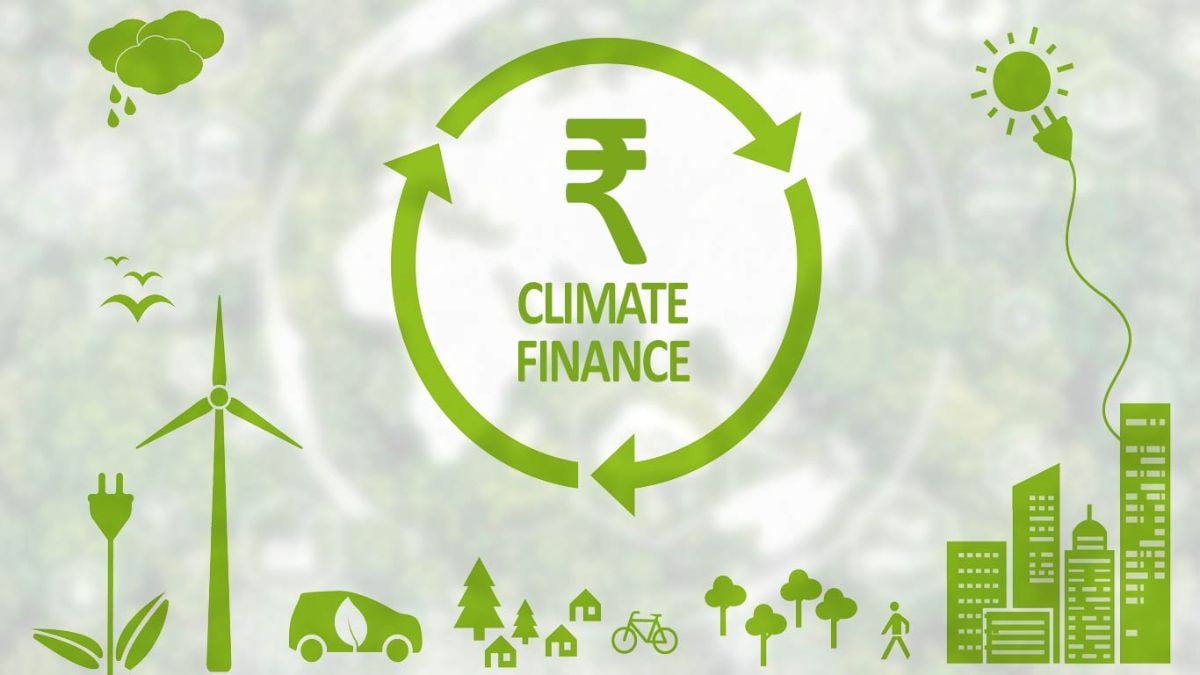
Understanding the Rise of ESG Investing in Modern Financial Markets
The growth of climate investing in recent years has completely reshaped how investors think about money, risk, and long-term value. One of the biggest forces behind this shift is ESG investing, which stands for Environmental, Social, and Governance investing. What started as a niche idea has now become a global financial standard influencing trillions of dollars in capital allocation.
In 2026, ESG is no longer just about “doing good.” It is increasingly seen as a practical investment strategy that can deliver stable, long-term returns while reducing exposure to environmental and regulatory risks. This is why both institutional investors and retail traders are paying close attention to green finance and sustainability-focused portfolios.
What ESG Investing Really Means in Climate Investing
At its core, ESG investing evaluates companies not only on profit but also on how responsibly they operate. This approach aligns strongly with the goals of sustainable investing, where financial performance and environmental responsibility go hand in hand.
- Environmental (E): How a company manages carbon emissions, energy use, waste, and climate impact
- Social (S): How it treats employees, communities, and customers
- Governance (G): How transparent and ethical its leadership and decision-making processes are
This framework helps investors identify companies that are better prepared for long-term challenges such as climate regulations, resource scarcity, and shifting consumer demand.
Why ESG Investing Is Growing So Fast in 2026
The rise of ESG investing is not random—it is being driven by major global shifts in the financial system. In the context of climate investing, ESG has become a key tool for managing both opportunity and risk.
Key drivers include:
- Governments introducing stricter climate disclosure rules
- Investors demanding transparency on environmental impact
- Companies facing pressure to reduce carbon emissions
- Increasing evidence that ESG-focused companies can be more resilient during market downturns
As a result, green finance is flowing more aggressively into companies that demonstrate strong ESG performance.
ESG Investing and Its Connection to Sustainable Investing
While ESG investing focuses on measurable criteria, sustainable investing takes a broader view by aligning investments with long-term environmental and social goals.
In practice, both strategies overlap significantly:
- ESG filters help identify “responsible” companies
- Sustainable investing ensures portfolios contribute to long-term climate goals
- Together, they support the transition toward a low-carbon global economy
This combination is becoming one of the best climate investing opportunities in 2026 for high returns, especially as industries like renewable energy, electric mobility, and clean technology continue to expand.
How ESG Investing Impacts Financial Performance
One of the most important developments in climate investing is the growing evidence that ESG strategies can perform competitively—or even outperform traditional investments in certain sectors.
Benefits often include:
- Lower long-term risk exposure
- Stronger adaptability to regulatory changes
- Improved brand reputation and customer trust
- Better resilience during economic uncertainty
Because of this, many analysts now consider ESG a core part of ESG and sustainable investing strategies for long term wealth growth, rather than a separate or optional approach.
The rise of ESG investing marks a major turning point in global finance. It reflects a world where capital is increasingly aligned with climate responsibility and sustainability goals. As green finance continues to expand, ESG will remain a central pillar of modern investment strategies—especially for investors looking to benefit from the long-term growth of the global climate transition.
In simple terms, ESG investing is no longer just a trend—it is becoming the foundation of future-proof investing in the era of climate investing.
Major Green Finance Trends Shaping Global Investment in 2026
The global financial system is going through one of its most important transitions in decades. Sustainability is no longer treated as a side discussion—it is now becoming a central factor in how capital is raised, allocated, and managed. In 2026, investors, governments, and corporations are increasingly aligning their decisions with long-term environmental and economic stability.
This shift is not happening in isolation. It is being driven by policy changes, technological innovation, investor demand, and rising awareness of climate-related risks. As a result, financial markets are slowly but steadily reshaping themselves around sustainability-focused priorities.
Institutional Capital is Moving Toward Sustainable Assets
One of the strongest forces behind this transformation is the large-scale movement of institutional money. Pension funds, insurance companies, sovereign wealth funds, and asset managers are gradually increasing their exposure to environmentally responsible investments.
This shift is driven by several factors:
- Long-term risk management strategies
- Pressure from stakeholders and regulators
- The need to align with global climate commitments
- Improved performance data from sustainability-focused portfolios
Instead of viewing environmental factors as optional, institutions are now integrating them into core investment frameworks.
Growth of Environmentally Linked Financial Instruments
Another important development is the increasing use of financial instruments designed to support environmental objectives. These products are becoming more common across global markets and are attracting both institutional and retail investors.
Examples include:
- Funding mechanisms tied to environmental performance targets
- Fixed-income products supporting clean infrastructure
- Investment structures that reward sustainability improvements
These tools are helping bridge the gap between financial returns and long-term environmental responsibility, making it easier for investors to participate in the transition economy.
Technology and Data Are Changing Investment Decisions
Technology is also playing a major role in reshaping financial decision-making. Advanced analytics, artificial intelligence, and digital reporting systems are improving how investors evaluate companies and projects.
Key improvements include:
- Better tracking of environmental performance data
- More transparent corporate reporting systems
- Real-time analysis of risk and impact factors
- Increased accessibility of sustainability metrics for everyday investors
This rise in data transparency is helping reduce uncertainty and allowing investors to make more informed long-term decisions.
Financial Institutions Are Rebalancing Portfolios
Banks, asset managers, and lending institutions are also adjusting how they structure their portfolios. Many are gradually reducing exposure to industries considered high-risk in the long term, while increasing allocations toward cleaner and more future-oriented sectors.
This rebalancing includes:
- Updated lending criteria that consider environmental impact
- Increased funding for clean infrastructure projects
- Integration of sustainability into risk assessment models
- Shift toward long-term value creation rather than short-term gains
These changes are gradually redefining how financial performance is measured across the industry.
The Bigger Picture
Overall, the direction of global finance is becoming more forward-looking and sustainability-driven. What was once considered a specialized investment approach is now becoming part of mainstream financial strategy.
As markets continue to evolve, environmental and long-term economic considerations are expected to play an even greater role in shaping investment decisions worldwide.
How to Invest in Climate Change Stocks and ETFs for Strong Growth in 2026
As interest in sustainability continues to rise, many investors are looking for practical ways to participate in the shift toward cleaner energy and more responsible business practices. One of the most accessible entry points is through climate-focused stocks and exchange-traded funds (ETFs), which allow individuals to benefit from long-term changes in the global economy.
Rather than being limited to experts or large institutions, these investment options are now widely available to everyday investors through most brokerage platforms.
Understanding Climate-Focused Stocks
Climate-related stocks represent companies that are directly involved in environmental solutions or are benefiting from the transition to cleaner industries. These businesses are often at the center of energy innovation and technological change.
Common areas include:
- Renewable energy production such as solar and wind
- Electric vehicle manufacturing and supply chains
- Battery and energy storage technology
- Climate-focused technology and innovation companies
- Infrastructure supporting cleaner energy systems
These sectors tend to attract attention because they are closely tied to long-term global shifts in energy consumption and environmental policy.
Why ETFs Are Popular Among Investors
For those who prefer a simpler and more diversified approach, ETFs offer a practical solution. Instead of selecting individual companies, ETFs group together a range of related assets into a single investment product.
Benefits of ETFs include:
- Built-in diversification across multiple companies
- Easier risk management compared to single stocks
- Lower entry barriers for beginners
- Exposure to entire industries rather than one firm
This makes ETFs a popular choice for investors who want steady exposure to sustainability-driven markets without taking on excessive risk.
Steps to Get Started in This Investment Area
Getting started does not require advanced financial knowledge. A simple approach can help new investors enter the market more confidently:
1. Choose a reliable investment platform
Select a brokerage that provides access to global markets and diversified funds.
2. Explore available funds and companies
Look for businesses and funds focused on clean energy, innovation, and responsible practices.
3. Spread your investments
Avoid concentrating everything in one asset or sector to reduce risk.
4. Think long term
These markets often reward patience rather than short-term trading.
Key Consideration for Investors
While the potential for growth is strong, these investments can still experience volatility due to policy changes, technological shifts, and market sentiment. Taking a balanced and well-researched approach is essential.
By focusing on diversification and long-term thinking, investors can better position themselves to benefit from the ongoing transformation in global energy and sustainability markets.

Sustainable Investing Strategies for Long-Term Wealth and Portfolio Stability
As climate-focused finance continues to evolve, more investors are beginning to think beyond short-term gains and focus on building wealth that can withstand future economic and environmental changes. This is where sustainable investing plays a major role. Instead of chasing quick profits, this approach emphasizes steady growth, reduced risk, and alignment with long-term global trends.
In today’s financial world, sustainability is no longer a side consideration—it is becoming a core part of how strong portfolios are built and managed.
Building Wealth with a Long-Term Mindset
One of the key ideas behind sustainable investing is patience. Rather than reacting to daily market movements, investors focus on businesses and sectors that are likely to remain relevant for decades.
This approach often includes:
- Investing in companies with strong environmental practices
- Supporting industries benefiting from global energy transitions
- Avoiding sectors with long-term structural decline
- Focusing on innovation and future-ready business models
By following this mindset, investors aim to create portfolios that grow steadily over time instead of relying on unpredictable short-term gains.
Why Stability Matters in Modern Investing
Market volatility is inevitable, but sustainable strategies are designed to reduce its impact. Companies that prioritize responsible practices often show more resilience during economic uncertainty because they are better prepared for regulatory changes, resource challenges, and shifting consumer expectations.
Some key stability advantages include:
- More consistent long-term performance patterns
- Lower exposure to sudden policy disruptions
- Improved adaptability to global economic shifts
- Stronger brand trust and customer loyalty
These factors make sustainability-focused portfolios attractive for investors who prefer gradual, reliable growth.
Practical Approaches to Sustainable Portfolio Building
To apply this strategy effectively, investors often combine several methods:
1. Diversification across sectors
Spreading investments across energy, technology, infrastructure, and agriculture reduces risk.
2. Focus on future-driven industries
Sectors like clean energy, electric mobility, and resource efficiency tend to benefit from long-term global change.
3. Reinvestment of returns
Reinvesting earnings helps accelerate compounding over time.
4. Consistent evaluation
Regularly reviewing portfolio performance ensures alignment with long-term goals.
The Bigger Picture
Sustainable investing is ultimately about preparing for the future. As global markets continue shifting toward cleaner and more responsible practices, investors who adapt early are more likely to benefit from long-term growth opportunities.
Rather than treating sustainability as a trend, it is becoming a foundation for building stable and forward-looking investment portfolios in an evolving financial world.
Conclusion – The Billion-Dollar Green Shift
The global financial landscape is clearly entering a new era, and climate investing is at the center of this transformation. What was once considered a niche or “alternative” approach to investing has now become a mainstream financial direction influencing trillions of dollars across global markets. From individual investors to large institutional funds, everyone is increasingly paying attention to how environmental change, regulation, and innovation are reshaping long-term wealth creation.
At its core, this shift is not just about environmental awareness—it is about economic reality. Markets are beginning to price in climate risk more seriously than ever before. Companies that fail to adapt to sustainability standards are facing higher operational risks, while those aligned with cleaner, more efficient systems are gaining stronger investor confidence. This change is slowly redefining what “value” means in modern finance.
One of the most important outcomes of this transformation is the rise of long-term thinking. Instead of focusing purely on short-term speculation, investors are now looking at structural trends that will shape the next decade and beyond. These include renewable energy expansion, technological innovation in clean industries, and the global push toward lower-carbon economies. Together, these forces are creating entirely new sectors of growth within green finance.
Another key takeaway is that opportunities are becoming more accessible. With the growth of ETFs, digital investment platforms, and ESG-focused financial products, it is now easier than ever for everyday investors to participate in this global shift. This democratization of access means that sustainable markets are no longer limited to large institutions—they are open to anyone willing to take a long-term view.
However, despite the strong growth potential, investors still need to approach this space with balance and awareness. Not all sustainability-labelled assets deliver equal value, and market volatility remains a factor in emerging industries. Proper research, diversification, and patience remain essential principles for success.
Looking ahead, the future of investing is expected to become even more closely tied to sustainability. As regulations tighten, technology advances, and global demand for cleaner solutions increases, the integration of environmental considerations into financial decisions will likely become standard practice rather than an exception.
In simple terms, the shift we are witnessing is not temporary—it is structural. ESG investing, sustainable strategies, and climate-focused portfolios are forming the foundation of a new financial era. Investors who understand this early are positioning themselves not only for potential financial growth but also for participation in one of the most significant economic transitions of the 21st century.
Ultimately, the message is clear: the world is moving toward a more sustainable financial system, and those who adapt to this change are likely to be part of the next generation of long-term wealth builders.
- Climate investing Green Finance Opportunities – World Bank ESG Investment Insights
- Climate investing Sustainable Investing Strategies – UN Environment Programme Finance Initiative