
The cryptocurrency industry in Asia is no longer the “wild west” many investors once imagined. Across the continent, governments are rewriting financial laws, introducing licensing systems, taxing digital assets, and regulating exchanges at an unprecedented pace.
In 2026, Asia crypto laws have become one of the most important topics for investors, traders, blockchain startups, and even ordinary citizens using digital assets for payments and savings.
What makes Asia especially fascinating is the enormous contrast between countries:
- Some nations fully embrace cryptocurrency innovation.
- Others tightly regulate trading activities.
- A few continue to ban crypto-related operations entirely.
- Several governments are launching Central Bank Digital Currencies (CBDCs) while simultaneously restricting private coins.
For investors, this creates both opportunity and risk.
A country that appears crypto-friendly today could suddenly impose strict taxes tomorrow. Likewise, a heavily regulated market may later open doors to institutional adoption and safer investing conditions.
That is why understanding Crypto regulations Asia has become essential for anyone involved in digital assets.
This guide breaks down the most important crypto regulations across Asia in 2026, including:
- Crypto exchange regulations
- Licensing systems
- Tax policies
- Stablecoin laws
- Legal trading status
- Investor restrictions
- Government crackdowns
- Country-by-country crypto regulations in Asia for investors
By the end of this article, you will understand where crypto is thriving, where it is restricted, and which Asian countries may dominate the global crypto industry through 2027 and beyond.

Asia Crypto Laws in 2026: Why Governments Are Tightening Regulations
The crypto boom of the early 2020s brought enormous innovation — but also major scandals.
Governments across Asia witnessed:
- Exchange collapses
- Fraudulent token projects
- Money laundering concerns
- Tax evasion
- Cybercrime
- Retail investor losses
As crypto adoption surged, regulators realized digital assets could no longer operate outside the financial system.
Today, Crypto regulations Asia are designed around three main goals:
1. Investor Protection
Governments want to reduce scams and protect inexperienced retail investors from risky crypto products.
This is why many countries now require:
- Licensed exchanges
- Proof-of-reserves
- Customer verification (KYC)
- Risk disclosures
- Segregation of customer funds
2. Tax Collection
Crypto trading became a massive untapped source of revenue.
Many Asian governments introduced:
- Capital gains taxes
- Transaction taxes
- Reporting requirements
- Exchange audit rules
This trend is shaping modern Crypto tax Asia policies.
3. Financial Stability
Stablecoins and decentralized finance (DeFi) began challenging traditional banking systems.
Regulators fear uncontrolled crypto markets could:
- Affect national currencies
- Increase illegal capital flows
- Destabilize financial institutions
As a result, stablecoin regulations are becoming one of the biggest crypto trends in Asia.
21 Powerful & Essential Crypto Regulations in Asia Every Investor Should Know in 2026
1. Mandatory Crypto Exchange Licensing
Most Asian countries now require crypto exchanges to obtain government-issued licenses before operating legally.
2. Strict KYC (Know Your Customer) Requirements
Users must verify identity using government-issued documents to prevent fraud and money laundering.
3. AML (Anti-Money Laundering) Compliance Rules
Exchanges must monitor suspicious transactions and report them to financial authorities.
4. Crypto Tax Reporting Obligations
Investors must declare crypto profits under crypto tax Asia rules in many jurisdictions.
5. Capital Gains Tax on Crypto Profits
Profits from trading Bitcoin, Ethereum, and altcoins are taxed in countries like Japan, India, and South Korea.
6. Income Tax on Mining and Staking
Mining rewards and staking income are treated as taxable income in several Asian countries.
7. Stablecoin Reserve Requirements
Issuers must hold fiat reserves to back stablecoins and ensure price stability.
8. Exchange Proof-of-Reserves Rules
Licensed platforms must prove they hold customer funds securely and transparently.
9. Restrictions on Anonymous Trading
Anonymous accounts and unverified wallets are banned in most regulated Asian markets.
10. Cross-Border Transaction Monitoring
Authorities track international crypto transfers to prevent illegal capital movement.
11. CBDC Integration Policies
Countries like China and India are expanding Central Bank Digital Currency systems alongside crypto regulation.
12. Ban or Restriction on Private Cryptocurrencies (in some countries)
China and a few jurisdictions restrict private crypto trading while promoting state digital currencies.
13. DeFi Platform Scrutiny Rules
Decentralized finance platforms are increasingly subject to regulatory oversight.
14. Token Listing Approval Requirements
Exchanges must get approval before listing new tokens in regulated markets.
15. Investor Risk Disclosure Laws
Platforms must clearly warn users about volatility and financial risks.
16. Custody and Asset Protection Rules
Exchanges must store customer funds separately from company funds.
17. Advertising Restrictions on Crypto Products
Some countries restrict misleading crypto marketing and promotional campaigns.
18. Data Sharing with Tax Authorities
Licensed exchanges must share user transaction data with government regulators.
19. Stablecoin Transaction Limits
Certain jurisdictions impose limits on stablecoin usage for payments and transfers.
20. Foreign Exchange Crypto Restrictions
Cross-border crypto payments may require additional approval in regulated countries.
21. Regulatory Sandbox Programs
Countries like Singapore and Hong Kong allow controlled environments for testing crypto innovations legally.
Why These 21 Crypto Regulations Matter
These rules are shaping the future of Crypto regulations Asia by:
- Increasing investor safety
- Reducing scams and fraud
- Expanding institutional adoption
- Improving tax compliance systems
- Creating legal clarity for businesses
But they also signal one major shift:
Crypto is no longer unregulated — it is becoming a fully structured financial system.
Crypto Regulations Asia: The Countries Leading the Industry
Some Asian countries are becoming global crypto hubs because of balanced regulations and investor-friendly policies.
These countries are leading innovation in 2026:
| Country | Crypto Status | Crypto Tax Policy | Exchange Regulation | Investor Friendliness |
|---|---|---|---|---|
| Singapore | Legal & regulated | Moderate | Strict licensing | Very High |
| Hong Kong | Legal & expanding | Low tax structure | Strong regulation | Very High |
| Japan | Highly regulated | High taxes | Extremely strict | High |
| South Korea | Legal with restrictions | Active taxation | Strong monitoring | Medium |
| UAE (Asia region) | Crypto-friendly | Low taxes | Progressive licensing | Very High |
| Thailand | Legal but monitored | Tax reporting required | Moderate regulation | Medium |
| India | Legal but heavily taxed | High taxation | Strict compliance | Medium-Low |
| China | Crypto trading banned | N/A | Severe restrictions | Very Low |
This table alone reveals a major truth about Asian countries with legal cryptocurrency trading in 2026:
Not all “legal” crypto markets are equally friendly to investors.
Some countries encourage innovation, while others tolerate crypto mainly for taxation purposes.
Asia Crypto Laws in Singapore: Asia’s Gold Standard for Regulation
Singapore has become one of the most respected crypto jurisdictions in the world.
The country balances innovation with strong oversight through the Monetary Authority of Singapore (MAS).
Why Singapore Dominates Crypto Regulations Asia
Singapore offers:
- Clear licensing frameworks
- Institutional-friendly policies
- Stable banking infrastructure
- Legal certainty for blockchain companies
Unlike countries that constantly change crypto rules, Singapore provides predictability.
This is extremely attractive for:
- Exchanges
- Venture capital firms
- Web3 startups
- Institutional investors
Crypto Exchange Regulations in Singapore
All crypto firms must comply with the Payment Services Act.
Requirements include:
- Anti-money laundering compliance
- Customer identity verification
- Cybersecurity standards
- Financial reporting
Singapore’s approach has become a model for modern crypto exchange regulations globally.
For official regulatory guidance, investors can review the Monetary Authority of Singapore policies through MAS official website.
Monetary Authority of Singapore (MAS)
https://www.mas.gov.sg/
Hong Kong’s Crypto Comeback Is Changing Asia Crypto Laws
Hong Kong shocked the crypto world by aggressively reopening its market to digital asset companies.
After years of uncertainty, the city is now competing directly with Singapore.
Why Hong Kong Matters in Crypto Regulations Asia
Hong Kong introduced:
- Retail crypto trading licenses
- Stablecoin regulations
- Institutional crypto investment frameworks
- Exchange compliance systems
The government wants Hong Kong to become Asia’s digital asset capital.
Major Developments in 2026
Key changes include:
- Licensed retail crypto platforms
- Regulated stablecoin issuers
- Institutional crypto ETFs
- Tokenized asset initiatives
This has dramatically increased global investor interest.
Japan’s Strict but Stable Asia Crypto Laws
Japan was one of the first countries to regulate cryptocurrency officially.
After major exchange hacks years ago, regulators implemented some of the world’s toughest compliance rules.
What Makes Japan Different?
Japan focuses heavily on:
- Consumer protection
- Exchange security
- Asset custody
- Operational transparency
Japanese regulators prefer long-term stability over rapid innovation.
Crypto Tax Asia: Japan’s Heavy Tax Burden
Japan currently imposes some of Asia’s highest crypto taxes.
Depending on income levels, traders may face:
- Progressive taxation
- High reporting requirements
- Significant compliance obligations
While Japan remains legally open to crypto, taxation discourages aggressive retail trading.
South Korea and the Evolution of Crypto Regulations Asia
South Korea remains one of the largest crypto trading markets globally.
However, regulators are increasing oversight every year.
South Korea’s Key Crypto Rules
The government now requires:
- Real-name trading accounts
- Licensed exchanges
- Strict KYC compliance
- Anti-money laundering monitoring
Anonymous crypto trading is effectively impossible.
Why Korea’s Rules Matter
South Korea often influences broader Asian regulatory trends because of its massive retail trading culture.
Its regulations frequently shape discussions surrounding:
- Investor protections
- Exchange accountability
- Crypto taxation
India’s Complicated Relationship With Asia Crypto Laws
India represents one of crypto’s biggest paradoxes.
The country has millions of crypto users but maintains some of the harshest tax policies.
Crypto Tax Asia: India’s Aggressive Tax Structure
India currently imposes:
- 30% tax on crypto gains
- 1% tax deducted at source (TDS)
- Strict reporting obligations
This significantly impacts trading activity.
Why Investors Still Watch India Closely
Despite strict taxation:
- Adoption remains high
- Blockchain startups continue growing
- Young investors remain interested in crypto
India’s long-term regulatory direction could reshape global crypto markets due to its population size.
For tax-related regulatory updates, readers can explore official financial policy information through OECD digital tax resources.
Financial Action Task Force (FATF)
https://www.fatf-gafi.org/
China’s Ban Still Influences Crypto Regulations Asia
China officially banned most cryptocurrency trading and mining operations years ago.
Yet its influence over global crypto policy remains enormous.
Why China Still Matters
China’s restrictions pushed many crypto companies into:
- Singapore
- Hong Kong
- Dubai
- South Korea
Ironically, China’s crackdown accelerated Asia’s broader crypto regulatory development.
China’s Focus in 2026
China now prioritizes:
- Digital yuan expansion
- Blockchain infrastructure
- State-controlled financial systems
Private decentralized cryptocurrencies remain heavily restricted.
Thailand, Vietnam, and Indonesia: The Emerging Crypto Markets
Southeast Asia is becoming one of the fastest-growing crypto regions globally.
Young populations and mobile-first economies are accelerating adoption.
Thailand
Thailand permits crypto trading but regulates exchanges heavily.
Key trends include:
- Exchange licensing
- Tax reporting
- Tourism-related crypto payments
Vietnam
Vietnam has one of the world’s highest crypto adoption rates.
Although regulations remain incomplete, the government is gradually introducing legal frameworks.
Indonesia
Indonesia regulates crypto as a commodity rather than a payment instrument.
This unique approach shapes local trading activity significantly.
Crypto Tax Rules and Exchange Laws in Asia 2026
Taxes remain one of the most confusing aspects of crypto investing.
Every country approaches taxation differently.
Common Crypto Tax Models in Asia
Capital Gains Tax
Investors pay taxes on profits from crypto sales.
Countries using this approach include:
- Japan
- South Korea
- Singapore (limited cases)
Transaction-Based Taxation
Some countries tax transactions directly.
India’s TDS system is a major example.
Business Income Taxation
Frequent traders may be classified as businesses instead of investors.
This can significantly increase tax obligations.
Country-by-Country Crypto Regulations in Asia for Investors
Below is a simplified overview investors should understand before trading internationally.
| Country | Crypto Legal? | Exchange Licensing | Crypto Taxation | Investor Risk Level |
|---|---|---|---|---|
| Singapore | Yes | Required | Moderate | Low |
| Hong Kong | Yes | Required | Low | Low |
| Japan | Yes | Strict | High | Medium |
| South Korea | Yes | Strict | Medium | Medium |
| India | Yes | Strict | Very High | High |
| Thailand | Yes | Moderate | Medium | Medium |
| Vietnam | Partially | Developing | Unclear | Medium-High |
| Indonesia | Yes | Regulated | Moderate | Medium |
| China | Mostly No | Restricted | N/A | Very High |
Asian Countries With Legal Cryptocurrency Trading in 2026
Many investors ask the same question:
“Where is crypto fully legal in Asia?”
The answer is more complicated than it appears.
Countries Generally Considered Crypto-Friendly
These countries actively support regulated crypto trading:
- Singapore
- Hong Kong
- UAE
- Thailand
- Japan
Countries With Partial Restrictions
These nations allow crypto but maintain strict limitations:
- India
- Indonesia
- South Korea
- Vietnam
Countries With Severe Restrictions
- China
- Nepal (historically restrictive)
- Certain Central Asian jurisdictions
Stablecoins Are Reshaping Crypto Regulations Asia
One of the biggest regulatory trends heading into 2027 is stablecoin oversight.
Governments fear stablecoins could eventually rival national currencies.
Why Stablecoins Matter
Stablecoins are increasingly used for:
- Cross-border payments
- Remittances
- Savings
- DeFi applications
This forces governments to respond quickly.
What Regulators Want
Most Asian governments now demand:
- Reserve backing
- Licensing
- Redemption guarantees
- Transparency audits
Hong Kong and Singapore are leading this transition.
The Future of Crypto Exchange Regulations in Asia
Crypto exchanges are no longer simple trading platforms.
They are becoming regulated financial institutions.
Future Trends Investors Should Expect
1. Stricter Licensing
Governments will likely increase compliance requirements further.
2. Cross-Border Cooperation
Asian regulators may begin sharing compliance data internationally.
3. Institutional Expansion
Banks and traditional financial firms are entering crypto markets.
4. Stablecoin Dominance
Regulated stablecoins may become mainstream financial tools.
5. Increased Tax Monitoring
Governments will continue tightening reporting obligations.
Major Risks Investors Must Understand About Asia Crypto Laws
Crypto regulation creates opportunity — but also danger.
Risks Include
- Sudden policy changes
- Exchange restrictions
- High taxation
- Withdrawal limitations
- Regulatory uncertainty
How Smart Investors Reduce Risk
Experienced investors often:
- Diversify geographically
- Use licensed exchanges
- Track tax obligations carefully
- Monitor regulatory announcements
- Avoid unregulated platforms
Understanding Country-by-country crypto regulations in Asia for investors is now essential for survival in the digital asset market.
Why 2026 Could Become Asia’s Most Important Crypto Year Yet
Several forces are converging simultaneously:
- Institutional adoption
- CBDC expansion
- Stablecoin growth
- Regulatory maturity
- Global crypto competition
Asia is no longer simply participating in crypto innovation.
It is actively shaping the future of digital finance.
The countries that strike the right balance between innovation and regulation may dominate global fintech for the next decade.
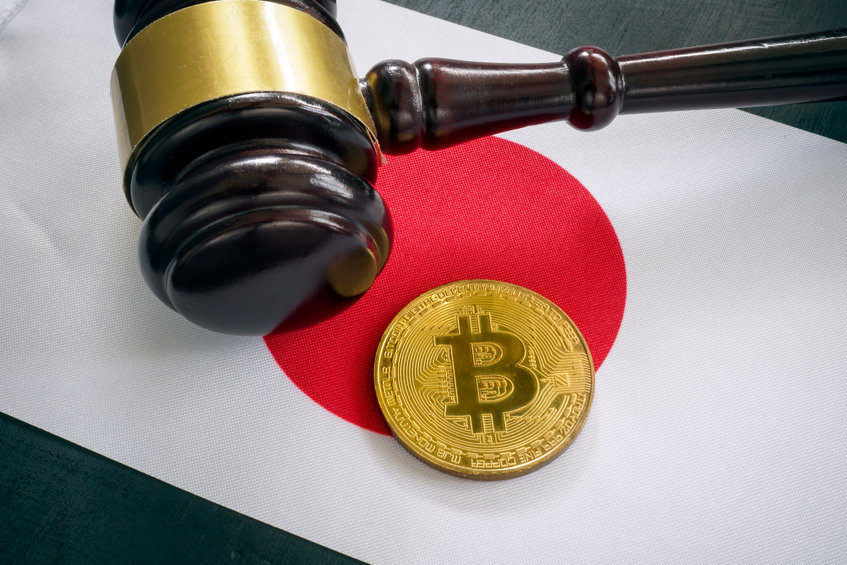
Asia Crypto Laws and the Rise of Government-Controlled Digital Finance in 2026
The conversation surrounding cryptocurrency in Asia has changed dramatically over the last few years. What was once viewed as a rebellious financial movement operating outside traditional banking systems is now being absorbed into government policy, national economic strategies, and institutional finance.
In 2026, one of the biggest stories shaping the global digital economy is the rise of government-controlled digital finance across Asia. From China’s digital yuan to Singapore’s regulated stablecoin frameworks and Hong Kong’s institutional crypto expansion, Asian governments are no longer ignoring digital assets. Instead, they are building systems designed to control, monitor, regulate, and eventually integrate digital currencies into mainstream finance.
This shift is fundamentally changing Asia crypto laws, redefining how investors, exchanges, startups, and ordinary citizens interact with digital assets.
For many investors, this moment feels both exciting and unsettling.
On one hand, regulation brings legitimacy, security, and institutional adoption. On the other hand, tighter government control raises serious concerns about privacy, decentralization, taxation, and financial freedom.
The result is a fascinating battle between innovation and regulation — one that could shape the future of global finance far beyond 2026.
Why Governments Across Asia Are Taking Control of Digital Finance
Asian governments understand something many people still underestimate:
Cryptocurrency is no longer a niche internet experiment.
Digital assets now influence:
- Global payments
- International remittances
- Banking systems
- Investment markets
- Consumer spending
- Cross-border commerce
- Monetary policy
As crypto adoption exploded across Asia, governments realized they faced two choices:
- Ignore digital finance and risk losing control of monetary systems
- Regulate and integrate crypto into existing financial structures
Most countries chose the second option.
This explains why Crypto regulations Asia have become increasingly sophisticated in 2026.
Governments are no longer simply banning or permitting crypto. They are actively redesigning financial systems around digital infrastructure.
Asia Crypto Laws Are Evolving Beyond Basic Crypto Trading
In the early years of cryptocurrency adoption, regulators mainly focused on exchanges and trading activity.
But in 2026, the scope of regulation has expanded significantly.
Today’s Asia crypto laws now cover:
- Stablecoins
- Decentralized finance (DeFi)
- Tokenized assets
- Digital banking
- Smart contract systems
- Cross-border payment platforms
- Institutional custody
- CBDCs (Central Bank Digital Currencies)
This is a major evolution.
Governments are beginning to view digital assets not merely as speculative investments but as foundational financial technology.
That shift changes everything.
The Rise of Central Bank Digital Currencies (CBDCs) in Asia
One of the clearest examples of government-controlled digital finance is the rapid growth of CBDCs.
A Central Bank Digital Currency is essentially a government-issued digital version of national money.
Unlike Bitcoin or Ethereum, CBDCs are centralized and fully controlled by governments and central banks.
Several Asian nations are aggressively pursuing this technology.
China’s Digital Yuan Leads the Race
China remains the global leader in CBDC development.
The digital yuan, often called e-CNY, has already been integrated into:
- Public transportation systems
- Retail payments
- Government services
- E-commerce platforms
- Cross-border payment pilots
China’s strategy is clear:
The government wants digital payments without relying on decentralized cryptocurrencies.
This approach explains why China maintains strict bans on most private crypto activities while heavily promoting blockchain infrastructure and state-controlled digital currency systems.
The digital yuan is not just a financial innovation. It is also a geopolitical strategy designed to strengthen China’s influence in global trade and digital finance.
Singapore’s Balanced Approach to Government-Controlled Digital Finance
Unlike China’s restrictive model, Singapore has adopted a more balanced and innovation-friendly approach.
Singapore recognizes that cryptocurrency and blockchain innovation can coexist with regulation.
This has made the country one of the most respected jurisdictions for Crypto regulations Asia.
How Singapore Is Handling Digital Finance
Singapore’s strategy focuses on three major areas:
1. Encouraging Innovation
The government actively supports:
- Blockchain startups
- Web3 development
- Tokenization projects
- Fintech expansion
2. Protecting Investors
Regulators require:
- Exchange licensing
- AML compliance
- Consumer safeguards
- Reserve transparency
3. Exploring CBDCs Carefully
Singapore is researching digital currency systems without aggressively replacing private crypto markets.
This balanced framework attracts:
- Institutional investors
- Crypto exchanges
- Venture capital firms
- Blockchain entrepreneurs
Many analysts believe Singapore’s model may eventually become the global blueprint for responsible crypto regulation.
Hong Kong’s Crypto Revival Is Reshaping Asia Crypto Laws
Hong Kong has become one of the most surprising crypto success stories in Asia.
After years of uncertainty, the city is aggressively positioning itself as a regulated crypto hub.
Why Hong Kong’s Strategy Matters
Hong Kong is attempting something very ambitious:
Building a fully regulated digital asset economy that still encourages innovation.
Its framework includes:
- Licensed retail crypto trading
- Stablecoin oversight
- Institutional crypto investment products
- Tokenized securities initiatives
This approach is attracting global attention because it represents a middle ground between:
- Total crypto freedom
- Heavy government suppression
For investors, Hong Kong’s revival signals that governments may eventually prefer regulation over outright bans.
Stablecoins Are Becoming the Center of Crypto Regulations Asia
One of the most important developments in 2026 is the growing importance of stablecoins.
Stablecoins are cryptocurrencies tied to real-world assets like:
- US dollars
- National currencies
- Commodities
Because they maintain relatively stable value, governments view them differently from volatile cryptocurrencies like Bitcoin.
Why Governments Care About Stablecoins
Stablecoins can potentially compete with traditional banking systems.
People increasingly use them for:
- International payments
- Savings
- Remittances
- Online commerce
- DeFi lending
This creates serious regulatory concerns.
Governments fear that uncontrolled stablecoin adoption could weaken national currencies and reduce central bank influence.
As a result, many Asian countries now require:
- Reserve backing
- Licensing
- Auditing
- Redemption guarantees
This trend is rapidly shaping modern crypto exchange regulations throughout Asia.
How Government-Controlled Digital Finance Affects Ordinary Investors
For many retail investors, these regulatory developments may feel distant or overly technical.
But in reality, they directly affect how people buy, sell, and use cryptocurrency.
Investors Are Facing More Compliance Requirements
In 2026, crypto investors across Asia increasingly encounter:
- Mandatory identity verification
- Transaction monitoring
- Tax reporting obligations
- Withdrawal limits
- Exchange licensing restrictions
This marks the end of anonymous crypto trading in many regions.
The Benefits of Regulation
Although some investors dislike tighter rules, regulation also creates advantages:
Greater Security
Licensed exchanges are generally safer and more transparent.
Reduced Fraud
Governments are cracking down on scams and fake projects.
Institutional Adoption
Large financial institutions are entering crypto markets more confidently.
Long-Term Stability
Clear legal frameworks reduce uncertainty for businesses and investors.
Governments Want Their Share
Another major driver behind tighter crypto regulation is taxation.
As digital asset markets grew into trillion-dollar industries, governments realized enormous amounts of taxable wealth were circulating outside traditional systems.
This explains why Crypto tax Asia policies are becoming stricter every year.
Common Tax Trends Emerging Across Asia
Governments are implementing:
- Capital gains taxes
- Transaction monitoring
- Exchange reporting systems
- Cross-border data sharing
- Wallet tracking tools
Some countries are even developing AI-powered systems to monitor crypto activity more effectively.
For investors, the message is clear:
Crypto profits are no longer invisible to tax authorities.
The Growing Tension Between Decentralization and Government Control
Perhaps the most fascinating aspect of Asia’s crypto evolution is the ideological conflict emerging underneath the regulations.
Cryptocurrency was originally created to reduce dependence on centralized financial systems.
But governments are now integrating crypto into heavily regulated structures.
This creates a major philosophical question:
Can crypto remain truly decentralized once governments fully regulate it?
Two Competing Visions of Digital Finance
Vision 1: Decentralized Freedom
Crypto advocates believe digital assets should allow:
- Financial independence
- Privacy
- Borderless transactions
- Reduced government control
Vision 2: Regulated Integration
Governments believe digital finance must include:
- Oversight
- Consumer protection
- Taxation
- Anti-money laundering enforcement
The future of Asia crypto laws will likely be shaped by the ongoing conflict between these two visions.
Asian Countries With Legal Cryptocurrency Trading in 2026 Are Becoming More Strategic
Many countries are no longer asking whether crypto should exist.
Instead, they are asking:
“How can we regulate crypto in ways that benefit our economy?”
This shift is incredibly important.
Countries that successfully balance innovation with regulation could become global financial powerhouses.
Several nations are already competing for dominance.
Countries Positioning Themselves as Crypto Leaders
Singapore
Focused on institutional finance and regulatory clarity.
Hong Kong
Competing aggressively for crypto investment and innovation.
UAE
Attracting global crypto firms with favorable tax systems.
Japan
Prioritizing security and consumer trust.
The Future of Government-Controlled Digital Finance in Asia
The next few years may completely transform how money functions across Asia.
Experts expect major growth in:
- CBDCs
- Regulated stablecoins
- Tokenized securities
- Blockchain banking
- AI-powered financial compliance
- Cross-border digital payment systems
By 2027, many financial transactions across Asia could involve some form of regulated digital currency infrastructure.
This is no longer a futuristic concept.
It is already happening.
Asia Crypto Laws Are Defining the Next Era of Finance
Asia is rapidly becoming the center of the global digital finance revolution.
Governments that once feared cryptocurrency are now building entire financial ecosystems around blockchain technology, regulated exchanges, stablecoins, and digital currencies.
For investors, this creates a complicated but exciting environment.
The rise of government-controlled digital finance means:
- More regulation
- More transparency
- More institutional involvement
- More taxation
- More legitimacy
At the same time, it raises important questions about decentralization, privacy, and financial freedom.
One thing, however, is becoming increasingly clear:
The future of cryptocurrency in Asia will not be shaped by chaos or complete freedom.
It will be shaped by regulation, strategic government policy, and the growing integration of digital assets into mainstream finance.
And for anyone involved in crypto today, understanding these evolving Asia crypto laws may become one of the most valuable investment skills of the decade.

Crypto Tax in Asia Explained: How Investors Can Legally Reduce Crypto Tax Risks in 2026
For many crypto investors, taxes are the least exciting part of digital assets — but they have quickly become one of the most important. Across Asia, governments are tightening reporting rules, monitoring exchange activity more closely, and building systems designed to track crypto profits more efficiently than ever before.
A few years ago, many traders believed cryptocurrency operated outside traditional financial oversight. In 2026, that assumption is disappearing rapidly.
Today, regulators across Asia view digital assets as taxable financial instruments. Whether someone is trading Bitcoin daily, holding Ethereum long term, earning staking rewards, or moving funds between exchanges, there is now a strong chance those activities fall under some form of tax obligation.
This shift has made tax planning a critical survival skill for investors.
Understanding how different countries approach crypto taxation can help investors avoid penalties, reduce unnecessary risks, and make smarter long-term financial decisions.
Why Asian Governments Are Focusing Heavily on Crypto Taxes
The rapid growth of crypto markets created a major opportunity for governments seeking new tax revenue.
Over the last decade, billions of dollars flowed through digital assets across Asia. As adoption increased, regulators realized enormous amounts of wealth were being generated outside traditional reporting systems.
Governments are now responding aggressively for several reasons:
- To increase tax revenue
- To reduce illegal financial activity
- To improve transparency
- To monitor cross-border transactions
- To prevent tax evasion
Many authorities now work directly with licensed exchanges to collect user transaction data and identify taxable activity.
This means investors can no longer assume crypto activity is invisible.
How Crypto Taxes Usually Work in Asia
Although tax systems vary from country to country, several common models are now emerging throughout the region.
Capital Gains Tax
This is the most common approach.
Investors pay taxes on profits earned when selling digital assets at a higher price than they were purchased.
For example:
- Buying Bitcoin at $20,000
- Selling at $35,000
- The profit becomes taxable
Several countries classify these gains similarly to investment income.
Income-Based Taxation
Some governments tax crypto earnings as ordinary income instead of investment gains.
This often applies to:
- Staking rewards
- Mining income
- Airdrops
- Freelance payments received in crypto
This distinction matters because income taxes are often higher than capital gains taxes.
Transaction Reporting Systems
A growing number of Asian regulators now require exchanges to:
- Report large transactions
- Verify customer identities
- Store trading records
- Share compliance data with tax authorities
This trend is expanding quickly as governments modernize digital financial oversight.
India’s Strict Crypto Tax Structure Continues to Influence Investors
India remains one of the most talked-about crypto tax jurisdictions in Asia.
Despite strong public interest in digital assets, the country introduced some of the region’s toughest tax policies.
Key Features of India’s Current Crypto Tax System
Investors currently face:
- A flat tax on crypto profits
- Transaction deductions on trades
- Limited ability to offset losses
- Strict reporting obligations
These rules dramatically changed trading behavior inside the country.
Many smaller traders reduced activity, while larger investors began exploring long-term holding strategies instead of frequent trading.
India’s approach demonstrates how taxation alone can reshape an entire crypto market.
For official economic and financial policy insights, investors can review updates from the International Monetary Fund.
Singapore Maintains a More Investor-Friendly Environment
Singapore continues to attract investors because of its relatively balanced approach to digital assets.
Unlike countries focused heavily on aggressive taxation, Singapore aims to encourage innovation while still maintaining regulatory oversight.
Why Investors Prefer Singapore
Several factors make Singapore appealing:
- Clear regulatory structure
- Strong financial infrastructure
- Business-friendly environment
- Lower tax pressure in certain investment situations
Long-term investors and blockchain startups often view Singapore as one of the safest environments for crypto-related business operations.
This explains why many exchanges and Web3 companies continue relocating there.
Japan’s Tax System Is Stable but Demanding
Japan was one of the earliest countries to establish clear legal frameworks for cryptocurrency trading.
However, it also developed one of the region’s more demanding tax systems.
Challenges Facing Japanese Crypto Investors
Japanese traders often deal with:
- Complex reporting requirements
- Progressive tax structures
- Detailed profit calculations
- Strict compliance expectations
Although the market remains legally secure and highly regulated, the administrative burden can become difficult for frequent traders.
Still, many investors prefer Japan’s stability because the rules are transparent and predictable.
Why Crypto Reporting Is Becoming Harder to Avoid
In the early days of cryptocurrency, many users believed wallets and exchanges provided complete anonymity.
That environment has changed dramatically.
Most regulated exchanges across Asia now require:
- Government-issued identification
- Address verification
- Banking records
- Transaction monitoring
Regulators are also improving blockchain analytics technology.
These systems help authorities track wallet movements and identify suspicious activity more efficiently than before.
As governments improve digital surveillance capabilities, tax enforcement is expected to become even stronger through 2027.
Common Mistakes Crypto Investors Make With Taxes
Many investors unintentionally create tax problems simply because they misunderstand how digital asset reporting works.
Below are some of the most common mistakes.
Ignoring Small Transactions
Some traders assume only large profits matter.
In reality, repeated small transactions may still create taxable events.
Failing to Keep Records
Many investors forget to document:
- Purchase prices
- Trading dates
- Transfer histories
- Wallet activity
Without proper records, calculating tax obligations becomes extremely difficult.
Assuming Crypto-to-Crypto Swaps Are Tax-Free
In several jurisdictions, swapping one cryptocurrency for another may still trigger taxation.
For example:
- Converting Bitcoin into Ethereum
- Trading stablecoins
- Moving assets between tokens
These transactions can sometimes create taxable gains even without converting into cash.
Using Unregulated Exchanges
Some traders move to offshore platforms hoping to avoid reporting requirements.
This strategy carries major risks because governments are increasingly cooperating internationally on compliance enforcement.
How Smart Investors Reduce Crypto Tax Risks Legally
Most experienced investors focus on compliance rather than avoidance.
The goal is not to evade taxes but to reduce unnecessary financial exposure through proper planning.
Strategies Many Investors Use
Long-Term Holding
In some jurisdictions, long-term holdings receive more favorable treatment than short-term trading activity.
Accurate Record Keeping
Maintaining organized transaction histories helps prevent reporting errors.
Many investors now use:
- Portfolio tracking software
- Tax calculation platforms
- Professional accounting services
Choosing Regulated Platforms
Licensed exchanges generally provide better documentation and compliance support.
This can simplify reporting obligations significantly.
Staying Updated on Regulatory Changes
Crypto regulation evolves quickly.
Policies that apply today may change within months, especially in rapidly developing markets across Asia.
For global regulatory guidance and financial transparency standards, investors can explore resources published by the Financial Action Task Force (FATF).
Why Tax Clarity Could Actually Help the Crypto Industry
Although many investors dislike taxes, clearer regulations may ultimately strengthen the industry.
Institutional investors, banks, and large corporations typically avoid markets with unclear legal frameworks.
Transparent tax systems can create:
- Greater investor confidence
- Safer markets
- Stronger institutional participation
- Improved consumer protections
In many ways, tax regulation signals that cryptocurrency is becoming part of mainstream finance rather than remaining a fringe experiment.
The Future of Crypto Taxation Across Asia
The next phase of crypto taxation will likely involve even more automation and oversight.
Experts expect governments to increase focus on:
- AI-powered transaction monitoring
- International reporting agreements
- Stablecoin oversight
- DeFi taxation frameworks
- Cross-border compliance systems
As digital finance expands, tax authorities are becoming more technologically sophisticated.
This means future compliance requirements may become even stricter than they are today.
Crypto taxes are no longer a side issue for investors in Asia. They are now central to how governments regulate digital finance and monitor financial activity.
While the rules differ between countries, one broader trend is becoming impossible to ignore:
Asian regulators are moving toward tighter reporting, stronger compliance systems, and greater oversight of digital asset markets.
For investors, this creates both challenges and opportunities.
Those who understand the rules, maintain proper records, and adapt early will likely navigate the evolving market more successfully than those who ignore regulatory realities.
In 2026 and beyond, smart crypto investing is no longer only about finding the next profitable coin.
It is also about understanding how regulation, taxation, and compliance are reshaping the future of digital finance across Asia.
Crypto Exchange Regulations in Asia: Crypto Regulations Asia and Safest Trading Platforms in 2026
In 2026, Crypto exchange regulations Asia have become one of the most important pillars shaping the entire digital asset ecosystem. Unlike the early years of cryptocurrency—when exchanges operated with minimal oversight—Asian governments now enforce strict compliance systems designed to protect investors, stabilize markets, and eliminate fraudulent platforms.
Today, understanding Crypto regulations Asia is no longer optional for traders. It directly determines where you can safely trade, which platforms are legally approved, and how secure your funds are in different jurisdictions.
Across the region, governments are actively redefining Crypto exchange regulations, pushing platforms to operate more like licensed financial institutions rather than unregulated trading websites.
Why Crypto Exchange Regulations Asia Matter for Investors in 2026
The rise of scams, exchange bankruptcies, and liquidity crises in previous market cycles forced regulators across Asia to take action.
As a result, Crypto regulations Asia now focus heavily on:
- Investor protection
- Exchange transparency
- Financial compliance
- Risk reduction
- Market stability
Governments learned that without strong Crypto exchange regulations, retail investors are exposed to unnecessary risks such as fraud, hacking, and sudden withdrawal freezes.
This is why most Asian countries now require exchanges to operate under strict licensing frameworks.
Singapore and Crypto Regulations Asia: A Benchmark for Safety
Singapore is widely regarded as one of the safest environments under Crypto regulations Asia.
The country enforces a structured licensing system that ensures exchanges meet high operational standards before serving users.
Key Features of Singapore Crypto Exchange Regulations
Under Singapore’s Crypto exchange regulations, platforms must comply with:
- Strict KYC identity verification
- Anti-money laundering (AML) controls
- Cybersecurity audits
- Customer fund protection rules
- Financial reporting standards
These requirements make Singapore one of the most trusted jurisdictions for crypto trading in Asia.
The Monetary Authority of Singapore (MAS) continues to refine Crypto regulations Asia to balance innovation with investor protection.
Official reference: https://www.mas.gov.sg/
Hong Kong and Expanding Crypto Regulations Asia Framework
Hong Kong is rapidly strengthening its position within Crypto regulations Asia, especially after reopening its crypto market to regulated trading.
The city now operates a licensing-based model for exchanges, ensuring only compliant platforms can serve retail and institutional investors.
Hong Kong Crypto Exchange Regulations Structure
Hong Kong’s Crypto exchange regulations include:
- Mandatory exchange licensing
- Stablecoin compliance oversight
- Investor risk disclosure rules
- Anti-fraud monitoring systems
- Capital requirement standards
This structured approach is designed to position Hong Kong as a global hub under evolving Crypto regulations Asia.
Japan’s Strict Crypto Exchange Regulations Asia Model
Japan is known for having some of the strictest Crypto exchange regulations Asia systems in the region.
After early exchange failures and hacks, regulators introduced one of the most secure frameworks in the world.
Japan Crypto Regulations Asia Requirements
Japanese exchanges must follow:
- Full asset segregation rules
- Cold wallet storage requirements
- Regular security audits
- Financial reporting obligations
- Strict operational licensing
These strict Crypto regulations Asia policies reduce risk but also limit rapid innovation in the market.
However, they significantly increase investor trust and platform stability.
South Korea and Strong Crypto Exchange Regulations Asia Oversight
South Korea maintains one of the most closely monitored crypto trading environments in Asia.
Under current Crypto regulations Asia, exchanges must integrate real-name banking systems and comply with strict monitoring rules.
South Korea Exchange Regulation Features
- Real-name verified trading accounts
- Bank-linked exchange systems
- Transaction monitoring systems
- Anti-money laundering compliance
- Government data reporting obligations
These Crypto exchange regulations ensure transparency but reduce anonymity in trading activities.
Thailand and Emerging Crypto Regulations Asia Environment
Thailand is developing a balanced approach within Crypto regulations Asia, allowing innovation while maintaining regulatory oversight.
Exchanges must register with authorities and comply with financial reporting rules.
Thailand Crypto Exchange Regulations Highlights
- Exchange licensing requirements
- Tax reporting obligations
- Consumer protection standards
- Monitoring of digital asset flows
Thailand continues to refine its Crypto regulations Asia framework to attract fintech innovation while protecting investors.
India and Complex Crypto Regulations Asia Landscape
India represents one of the most complex environments under Crypto regulations Asia.
While trading is not banned, exchanges face strict taxation and regulatory uncertainty.
India Exchange Regulation Challenges
- High tax obligations on crypto profits
- Mandatory transaction reporting
- Banking limitations in some cases
- Evolving legal framework
These conditions make Crypto exchange regulations Asia in India more challenging compared to other major markets.
Comparison of Crypto Regulations Asia Across Major Countries
| Country | Exchange Regulation Strength | Licensing Requirement | Investor Safety Level |
|---|---|---|---|
| Singapore | Very Strong | Mandatory | High |
| Hong Kong | Strong | Mandatory | High |
| Japan | Very Strong | Mandatory | Very High |
| South Korea | Strong | Mandatory | Medium-High |
| Thailand | Moderate | Required | Medium |
| India | Evolving | Partial | Medium-Low |
This comparison shows how Crypto regulations Asia vary significantly depending on government policy and financial maturity.
Why Crypto Exchange Regulations Asia Will Continue Tightening
The future of Crypto exchange regulations Asia is expected to become even stricter due to several globaltrends:
- Growth of institutional crypto adoption
- Expansion of stablecoins
- Rise of cross-border digital payments
- Increased fraud prevention efforts
- Integration of blockchain into banking systems
Governments are no longer experimenting with crypto regulation—they are fully implementing long-term financial frameworks.
Thoughts on Crypto Regulations Asia
Understanding Crypto regulations Asia is essential for any investor trading in 2026.
As governments strengthen Crypto exchange regulations, the industry is becoming safer but also more controlled. Countries like Singapore, Japan, and Hong Kong are leading in regulatory clarity, while others continue refining their systems.
Ultimately, the safest trading environments will be those that balance:
- Strong regulation
- Investor protection
- Financial transparency
- Innovation-friendly policies
As Asia continues shaping global digital finance, staying updated on Crypto regulations Asia will remain one of the most important advantages for investors worldwide.
Conclusion: Asia Crypto Laws Are Redefining the Future of Investing
The era of unregulated crypto markets is rapidly disappearing.
Across Asia, governments are creating legal frameworks that will define the next generation of digital finance.
Some countries are embracing innovation aggressively. Others remain cautious or restrictive. But one reality is clear:
Crypto regulation is no longer optional.
For investors, understanding Asia crypto laws is now just as important as understanding market trends or blockchain technology itself.
The smartest investors heading into 2027 will not simply chase hype.
They will study:
- Crypto tax Asia policies
- Crypto exchange regulations
- Stablecoin frameworks
- Licensing systems
- Country-specific legal risks
Because in the future of crypto, regulation may become one of the biggest drivers of profit, safety, and long-term success.