From Speculation to Sustainable Growth
If you asked a crypto enthusiast in 2020 what the future held for this revolutionary technology, most would talk about moonshots, memecoins, and price charts. But as we step into 2026, a different story is emerging — one where AI, blockchain and DeFi infrastructure aren’t just buzzwords, but foundational pillars transforming crypto from wild speculation to long‑term sustainable growth.
Today’s crypto ecosystem is rapidly evolving into a data‑driven, automated financial layer that can rival traditional finance in stability, utility, and accessibility. We’re no longer asking “Will crypto survive?” but “How will decentralized finance integrate artificial intelligence to become the backbone of tomorrow’s economy?”

The Role of AI Agents in Revolutionizing DeFi Operations
In the early days of cryptocurrency, DeFi (Decentralized Finance) operations were largely manual and highly dependent on human oversight. Traders would monitor volatile markets, rebalance their liquidity positions, and react to market shifts — often reacting too slowly or emotionally. This environment was a breeding ground for speculation, impulsive decisions, and frequent losses. But as we move deeper into 2026, the integration of AI blockchain technology has fundamentally transformed how DeFi functions, creating sustainable growth opportunities and more predictable outcomes for users.
At the heart of this transformation are AI agents — intelligent, autonomous entities operating on blockchain networks. These agents are designed to mimic human decision-making but with far greater speed, precision, and scalability. By combining machine learning, predictive analytics, and smart contract execution, AI agents are no longer a futuristic concept — they are a practical reality driving the transition from crypto speculation to real DeFi utility.
How AI Agents Function in DeFi
AI agents operate as decentralized decision-makers embedded directly into DeFi infrastructure. Unlike conventional bots that execute pre-programmed instructions, AI agents:
- Analyze data continuously: They monitor on-chain metrics, trading volumes, historical trends, and even off-chain economic indicators. This allows them to detect patterns and forecast market movements with unprecedented accuracy.
- Optimize liquidity allocation: Rather than keeping funds static, AI agents dynamically adjust positions across lending pools, yield farms, and staking protocols, maximizing returns while mitigating risk.
- Automate risk management: Smart contracts integrated with AI agents can detect anomalies, potential exploits, or systemic risks and respond immediately, reducing exposure to hacks or impermanent loss.
- Provide accessibility to novice users: AI agents abstract complex operations. For instance, a beginner can set high-level goals like “maximize staking returns” while the agent handles strategy execution.
In essence, these AI agents function as personalized, decentralized financial advisors, available 24/7, without human biases or fatigue.
Real-World Examples of AI Agents in Action
Several projects are already pioneering AI-driven DeFi solutions:
- SingularityNET – By creating decentralized AI marketplaces, it allows AI agents to provide services like predictive trading, price optimization, and market insights to DeFi platforms. This effectively integrates blockchain AI integration into financial decision-making.
- ChainGPT – A project that builds AI agents capable of interacting directly with smart contracts, generating predictive models, and automating complex trading strategies.
- Fetch.ai – Implements autonomous economic agents that can make decisions about asset allocation, liquidity provisioning, and yield optimization without human intervention.
These projects demonstrate how AI agents are not just theoretical tools — they are already reshaping DeFi operations to be smarter, faster, and more reliable.
The Benefits of AI Agents for Sustainable Crypto Growth
The integration of AI agents into DeFi infrastructure drives crypto sustainable growth in multiple ways:
- Reduced reliance on speculation: By using predictive analytics, AI agents minimize reactive decision-making, ensuring that strategies are grounded in data, not hype.
- Enhanced efficiency: Automated portfolio management and liquidity optimization reduce wasted capital and improve returns for users.
- Lower risk exposure: Continuous monitoring and anomaly detection mitigate vulnerabilities that would otherwise compromise funds.
- Broader adoption: Novice users can participate confidently in DeFi markets thanks to simplified, AI-driven interfaces.
Challenges and Considerations
While AI agents offer enormous potential, several challenges remain:
- Data integrity: AI decisions are only as good as the data they process. Ensuring accurate, trustworthy data feeds is critical.
- Regulatory compliance: Autonomous decision-making in finance must align with local and global regulations to prevent legal risks.
- Security vulnerabilities: AI agents themselves can become targets for manipulation or exploitation, requiring robust cybersecurity measures.
Despite these hurdles, the benefits far outweigh the risks, especially as protocols continue to evolve, integrate AI securely, and refine agent behavior.
AI Agents as the Future of DeFi
By leveraging AI blockchain solutions, DeFi platforms are evolving into intelligent, autonomous ecosystems. AI agents are revolutionizing financial operations, making them faster, safer, and more accessible. They bridge the gap between speculative trading and real DeFi utility, ensuring that crypto markets are not just exciting but sustainable.
In 2026, understanding and leveraging AI agents is no longer optional for anyone serious about DeFi. Whether you are a trader, developer, or institutional investor, AI-driven operations will define the next wave of growth in decentralized finance.
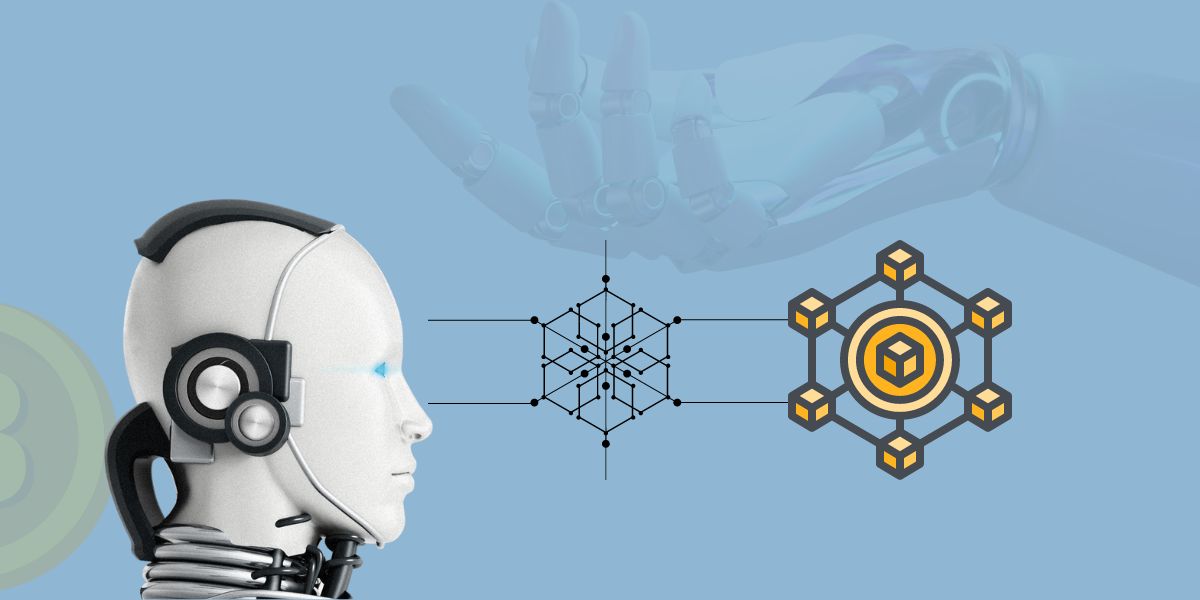
in this article, we’ll explore 7 powerful ways this transformation is happening — with real examples, data, comparisons, and industry insights — showing how AI‑powered blockchain solutions for DeFi in 2026 are rewriting the rules.
1. AI Agents and Autonomous Financial Decisions
One of the biggest shifts in the crypto sphere is how AI is transforming DeFi and crypto infrastructure by replacing manual strategy execution with autonomous AI agents — smart contracts that behave like intelligent economic actors.
Unlike traditional bots, AI agents can:
- Analyze on‑chain and off‑chain data in real time
- Allocate and rebalance portfolios automatically
- Execute trades and arbitrage with millisecond precision
- Adapt to changing market conditions without human supervision
This isn’t theoretical — projects like ChainGPT are building ecosystems where AI agents can run directly on blockchains, offering tools ranging from smart contract generation to portfolio optimization.
How AI Agents Change DeFi Behavior
| Feature | Traditional DeFi | AI‑Enabled DeFi |
|---|---|---|
| Strategy Execution | Manual | Automated |
| Market Monitoring | Human review | Continuous AI analysis |
| Liquidity Allocation | Static pools | Dynamic rebalancing |
| User Accessibility | Complex UI | Conversational / natural language |
AI agents effectively serve as decentralized financial managers — or crypto copilots — helping everyone from novices to sophisticated traders navigate the web3 economy. These intelligent agents can even manage risk dynamically, lowering reliance on human decision making and reducing emotional trading errors.
2. Predictive Analytics and Smart Liquidity Optimization
At the core of sustainable growth is capital efficiency — ensuring every asset in a DeFi protocol is working hard, not idle. AI makes this possible through predictive analytics.
AI models trained on historical data now forecast:
- Future liquidity needs
- Yield trends across lending markets
- Optimal interest rate curves
- Risk‑adjusted allocation strategies
Instead of static yield farming where users chase the highest APY — often leading to impermanent loss — platforms powered by AI predict when a pool will underperform and intelligently shift liquidity. This results in better returns with lower volatility.
Moreover, predictive pricing feeds and models are becoming integrated directly into core DeFi protocols, lowering friction and empowering users through smarter tools.
Case in point, SingularityNET is building decentralized AI marketplaces where algorithmic intelligence can be bought and sold — providing services such as predictive pricing and data insights that enhance DeFi’s forecasting capabilities.
3. Enhanced Security and Risk Management Through AI
Security has always been a stumbling block for decentralized systems. Hacks, exploits, and smart contract vulnerabilities erode trust and capital. But blockchain AI integration is rapidly changing the game.
By embedding AI monitoring into DeFi infrastructure:
- Smart contracts can self‑audit for vulnerabilities
- Anomalous transactional patterns trigger automated alerts
- AI can predict risky positions before liquidation events occur
- DAO governance becomes optimized through AI‑assisted voting analysis
This layer of automated security acts like a real‑time “immune system” for DeFi protocols — reducing attack surfaces and increasing resilience.
In 2026, advanced risk‑monitoring tools are becoming standard protocol components, making DeFi not just lucrative, but safer — a prerequisite for crypto sustainable growth and institutional participation.
4. Democratized Access via Natural Language Interfaces
One of the biggest barriers to mainstream DeFi adoption has been usability. Smart contracts, CLI commands, and wallet interactions intimidate newcomers.
Enter AI‑powered blockchain interfaces that let users:
- Interact using natural language queries
- Create complex financial positions with simple prompts
- Automate portfolio management via conversational agents
Projects like GRIFFAIN are already experimenting with setups where you can teach your AI agent in plain English to run DeFi strategies across platforms.
This reduces cognitive load, expands access, and accelerates adoption — crucial for growing beyond crypto enthusiasts to everyday users.
5. Integrating Real World Assets With DeFi
The transition from speculation to utility requires real economic value flowing through crypto rails.
That’s where tokenization of real world assets (RWA) comes in — and AI helps manage complexity.
By combining AI pricing models with blockchain settlement systems:
- Predictive asset valuation becomes trustless
- Asset token liquidity can be dynamically managed
- Compliance and KYC/AML workflows are automated
This unlocks a bridge between traditional finance and DeFi.
For example, AI‑enhanced tokenized real estate or corporate bonds allow fractional ownership and liquidity without sacrificing transparency or risk management.
This coupling of real world asset flows with DeFi infrastructure is one of the most powerful drivers of crypto sustainable growth beyond speculation.
6. Blockchain AI Marketplaces and Incentive Layers
Blockchain has always democratized value creation — and AI marketplaces do the same for intelligence.
Protocols like Bittensor build decentralized markets where:
- Machine learning models are trained collaboratively
- Contributors are rewarded in tokens based on informational value
- AI “compute power” becomes a tradeable commodity
This aligns incentive structures with growth, creating resilient ecosystems of participation — far removed from speculative token dumping.
Such AI marketplaces help DeFi infrastructure compete with centralized cloud and AI incumbents, providing a decentralized alternative for on‑chain intelligence.
7. Ecosystem Interoperability and Cross‑Chain Intelligence
No modern blockchain stands alone. Cross‑chain systems let liquidity, AI models, and financial logic flow between networks.
With interoperability, AI models trained on one chain can:
- Inform pricing strategies on another
- Adjust cross‑protocol liquidity dynamically
- Execute on opportunities across multiple ecosystems
Projects like Injective and Aptos are building bridges with AI readiness baked into infrastructure, making it easier to run AI strategies seamlessly across nearly any chain.
This interconnected intelligence layer is becoming a backbone of sustainable crypto growth, enabling broader capital participation and reducing fragmentation.
Roadmap: Sustainable Blockchain Market Growth Strategies 2026
Here’s a high‑level roadmap that captures the strategic shifts needed for long‑term, sustainable development in the crypto ecosystem:
Short term (2024‑2025)
- Pilots of AI agents in major DeFi protocols
- Governance automation experiments
- Early tokenization of assets
- On‑chain predictive analytics adoption
Medium term (2025‑2026)
- Decentralized AI marketplaces mainstream
- Cross‑chain AI coordination
- Institutional on‑ramps via regulated tokenized assets
- Security and risk automation as standard infrastructure
Long term (post‑2026)
- Fully autonomous financial ecosystems
- Real‑time economic forecasting powered by on‑chain AI
- Decentralized macroeconomic systems integrated with DeFi rails
This evolution marks the true transition from crypto speculation to real DeFi utility.
Tokenizing Real-World Assets: Bridging Traditional Finance and DeFi
One of the most transformative trends in 2026’s crypto ecosystem is the tokenization of real-world assets (RWAs) — a process where physical or traditional financial assets like real estate, bonds, commodities, or even intellectual property are represented as digital tokens on a blockchain. By combining AI blockchain technology with DeFi infrastructure, this trend is redefining how value is created, accessed, and managed, moving crypto markets beyond speculation and toward sustainable growth.
The concept of RWAs is simple but revolutionary: instead of buying an entire property or bond, investors can purchase fractional ownership through tokenized assets. This democratizes access, increases liquidity, and allows DeFi platforms to integrate real economic activity into their protocols. When powered by AI, these platforms can dynamically manage risk, pricing, and compliance — bridging the gap between traditional finance and decentralized systems.
How AI Enhances Real-World Asset Tokenization
Integrating AI-powered blockchain solutions for DeFi in 2026 is a game-changer for tokenized assets:
- Dynamic Pricing Models: AI algorithms analyze market trends, historical asset performance, and external economic factors to provide real-time valuation for tokenized assets.
- Risk Mitigation: Predictive analytics detect potential defaults, market shocks, or liquidity crises before they occur, reducing exposure for both investors and protocols.
- Automated Compliance: AI ensures KYC/AML regulations and tax compliance are integrated seamlessly into transactions, allowing global participation without legal risk.
- Portfolio Optimization: Investors can automatically diversify across tokenized real estate, commodities, and bonds with AI agents managing allocations based on risk tolerance and market conditions.
By integrating these capabilities into DeFi infrastructure, platforms can offer services traditionally reserved for institutional investors, now accessible to everyday users in a transparent, decentralized manner.
Practical Applications and Examples
Several projects in 2026 are pioneering AI-driven RWA tokenization:
- RealT – A platform enabling fractional real estate investment on the blockchain. AI agents analyze rental yields, local market trends, and maintenance costs to optimize investor returns.
- Centrifuge – Connects real-world assets like invoices and receivables to DeFi protocols, providing liquidity while AI agents assess risk, predict default probabilities, and dynamically price tokens.
- Tokeny Solutions – Focuses on compliant tokenization of traditional financial instruments, leveraging AI to automate onboarding, compliance, and portfolio management.
These examples highlight how blockchain AI integration isn’t just theoretical — it’s operational, providing real-world financial utility while ensuring crypto sustainable growth.
Benefits of Tokenizing Real-World Assets in DeFi
The tokenization of RWAs brings multiple benefits to investors, protocols, and the broader economy:
- Accessibility: Small investors can participate in high-value assets previously out of reach.
- Liquidity: Fractional tokens can be traded on secondary markets, reducing asset lock-up periods.
- Transparency: Blockchain provides a tamper-proof record of ownership and transactions.
- Automation: AI agents manage pricing, risk, and compliance without human intervention.
- Integration with DeFi: Tokenized RWAs can be used as collateral for lending, staking, or yield farming, creating a bridge between traditional and decentralized finance.
This convergence ensures that DeFi is not only speculative playgrounds but a legitimate alternative financial system grounded in real assets.
Challenges and Considerations
Despite its potential, tokenizing real-world assets comes with challenges:
- Regulatory Complexity: Laws vary across jurisdictions, making global compliance difficult. AI can help, but legal frameworks still need to catch up.
- Data Accuracy: AI models depend on reliable data; inaccurate valuation inputs can create risk.
- Liquidity Risk: While tokenization enhances liquidity, illiquid underlying assets can still pose challenges.
- Market Education: Investors must understand tokenization, AI-driven valuations, and DeFi protocols to make informed decisions.
Addressing these challenges is crucial for sustainable blockchain market growth strategies 2026 and for fully realizing the promise of AI in DeFi.
The Future: Bridging Finance with AI-Powered DeFi
The integration of tokenized real-world assets with AI blockchain agents signals a profound shift in the crypto landscape:
- Institutional Adoption: Hedge funds, banks, and insurance companies are exploring AI-managed tokenized portfolios for efficiency and risk management.
- Democratized Wealth Creation: Individuals can now participate in diversified, professionally managed assets without intermediaries.
- Enhanced Market Resilience: AI-driven risk management ensures that DeFi platforms can withstand market volatility and systemic shocks.
Ultimately, AI-powered tokenization is a key mechanism for the transition from crypto speculation to real DeFi utility, making decentralized finance not just an innovative idea but a sustainable, value-generating ecosystem.

Cross-Chain AI Integration for Scalable and Interoperable DeFi Networks
In 2026, the crypto ecosystem is no longer a collection of isolated blockchains. Instead, it is evolving into a fully interconnected network where liquidity, smart contracts, and data flow seamlessly across multiple chains. At the forefront of this evolution is cross-chain AI integration, a critical innovation driving crypto sustainable growth and transforming DeFi infrastructure from siloed applications into a robust, interoperable financial ecosystem.
Cross-chain AI integration leverages AI-powered blockchain solutions for DeFi in 2026 to ensure that decentralized finance platforms can operate cohesively across different networks, whether it’s Ethereum, Binance Smart Chain, Solana, or emerging Layer-2 and Layer-3 protocols. By enabling intelligent coordination across chains, AI agents optimize performance, reduce redundancies, and unlock new levels of efficiency.
Why Cross-Chain Integration Matters in DeFi
Traditional DeFi platforms are often limited to a single blockchain. This limitation creates several challenges:
- Liquidity Fragmentation: Assets are locked within one chain, limiting the availability of capital across networks.
- Inefficient Risk Management: Risk models confined to a single chain cannot account for opportunities or threats in other ecosystems.
- Limited Use Cases: Protocols cannot leverage features, smart contracts, or NFTs from other chains without cumbersome bridging mechanisms.
Cross-chain AI integration addresses these challenges by enabling intelligent, automated interoperability, allowing DeFi protocols to operate in a more dynamic, resilient, and scalable manner.
How AI Enables Cross-Chain Operations
AI acts as a decision-making layer that manages the complexities of cross-chain activity:
- Predictive Liquidity Allocation: AI monitors liquidity pools across multiple chains and reallocates assets in real-time to optimize yield and minimize slippage.
- Automated Risk Assessment: Cross-chain risk factors — including volatility, bridge security, and transaction fees — are analyzed continuously to prevent losses.
- Intelligent Smart Contract Execution: AI ensures that transactions and contract calls are executed efficiently, taking into account network congestion, gas costs, and execution timing.
- Data-Driven Strategy Optimization: Market signals from all connected chains inform trading strategies, lending protocols, and yield farming tactics.
By applying machine learning and predictive analytics across networks, AI creates a cohesive financial brain for DeFi ecosystems, enhancing scalability and utility.
Real-World Examples of Cross-Chain AI Integration
Several projects exemplify how cross-chain AI integration is shaping 2026’s DeFi landscape:
- Injective Protocol: A decentralized trading platform that leverages cross-chain connectivity to offer derivatives trading on multiple chains. AI algorithms dynamically route orders to optimize execution and liquidity utilization.
- Aptos & Sui Networks: Both projects are experimenting with AI-powered bridges that intelligently monitor cross-chain transactions, detect anomalies, and adjust asset flows to prevent congestion or risk exposure.
- Thorchain: By combining automated liquidity management with cross-chain token swaps, Thorchain illustrates how AI-enhanced coordination can enable seamless interoperability between different blockchains.
Benefits of Cross-Chain AI Integration
The integration of AI across multiple chains provides a range of benefits that accelerate the transition from crypto speculation to real DeFi utility:
- Optimized Capital Efficiency: Liquidity can move seamlessly to where it’s most needed, maximizing yields and minimizing idle capital.
- Risk Diversification: AI can balance exposure across chains, reducing reliance on a single protocol or network.
- Seamless User Experience: Users can engage in multi-chain strategies without managing multiple wallets, bridges, or interfaces.
- Enhanced Scalability: Protocols can handle larger transaction volumes and more complex financial instruments without bottlenecks.
Ultimately, cross-chain AI integration allows DeFi networks to operate as interconnected ecosystems rather than isolated silos, supporting sustainable growth and long-term adoption.
Challenges and Considerations
While promising, cross-chain AI integration faces several hurdles:
- Security Risks: Bridges and cross-chain protocols remain targets for exploits. AI must include anomaly detection and automated response systems.
- Latency and Execution Delays: Transactions across chains can be delayed or fail, requiring AI algorithms to adjust strategies dynamically.
- Complexity of AI Models: Integrating AI across multiple chains increases computational and technical complexity, demanding robust infrastructure and monitoring.
- Regulatory Compliance: Cross-chain operations often span multiple jurisdictions, requiring AI systems to account for varying compliance rules.
Addressing these challenges is essential for sustainable blockchain market growth strategies 2026, ensuring that AI integration enhances DeFi without introducing systemic risks.
The Future of Cross-Chain AI in DeFi
As AI technology matures, cross-chain integration will become a standard feature of next-generation DeFi platforms:
- Fully Autonomous Multi-Chain Agents: AI agents will manage assets across networks with minimal human intervention.
- Dynamic DeFi Portfolios: Investors will be able to deploy capital across chains intelligently, guided by AI that continuously assesses risk, opportunity, and performance.
- Interoperable Ecosystems: Cross-chain intelligence will enable protocols to share data, liquidity, and smart contract functionality seamlessly, creating a truly global DeFi environment.
By bridging networks with AI-driven intelligence, DeFi infrastructure moves closer to real-world financial functionality, creating opportunities for crypto sustainable growth while reducing dependence on speculative activity.
Conclusion: The Real Crypto Revolution
As markets evolve, so do the tools that support them. In 2026, we’re witnessing a genuine evolution from purely speculative crypto narratives to AI blockchain‑driven financial infrastructure capable of sustained, long‑term growth.
By combining intelligent agents, predictive models, decentralized AI marketplaces, and real‑world value integration, the industry is transforming itself into a scalable, resilient financial ecosystem.
Whether you’re a seasoned builder, a curious investor, or a developer looking for the next frontier, understanding how AI and DeFi infrastructure collaborate will be essential — not just for profits, but for shaping the future of finance itself.
For further insights on AI blockchain,visit:
- Learn more about decentralized AI in DeFi from the Blockchain Council: https://www.blockchain-council.org/ai/ai-in-defi/
- Explore AI and blockchain trends shaping the future: https://www.ainvest.com/news/2026-digital-economy-ai-blockchain-robotics-convergence-creating-infrastructure-winners-2512/