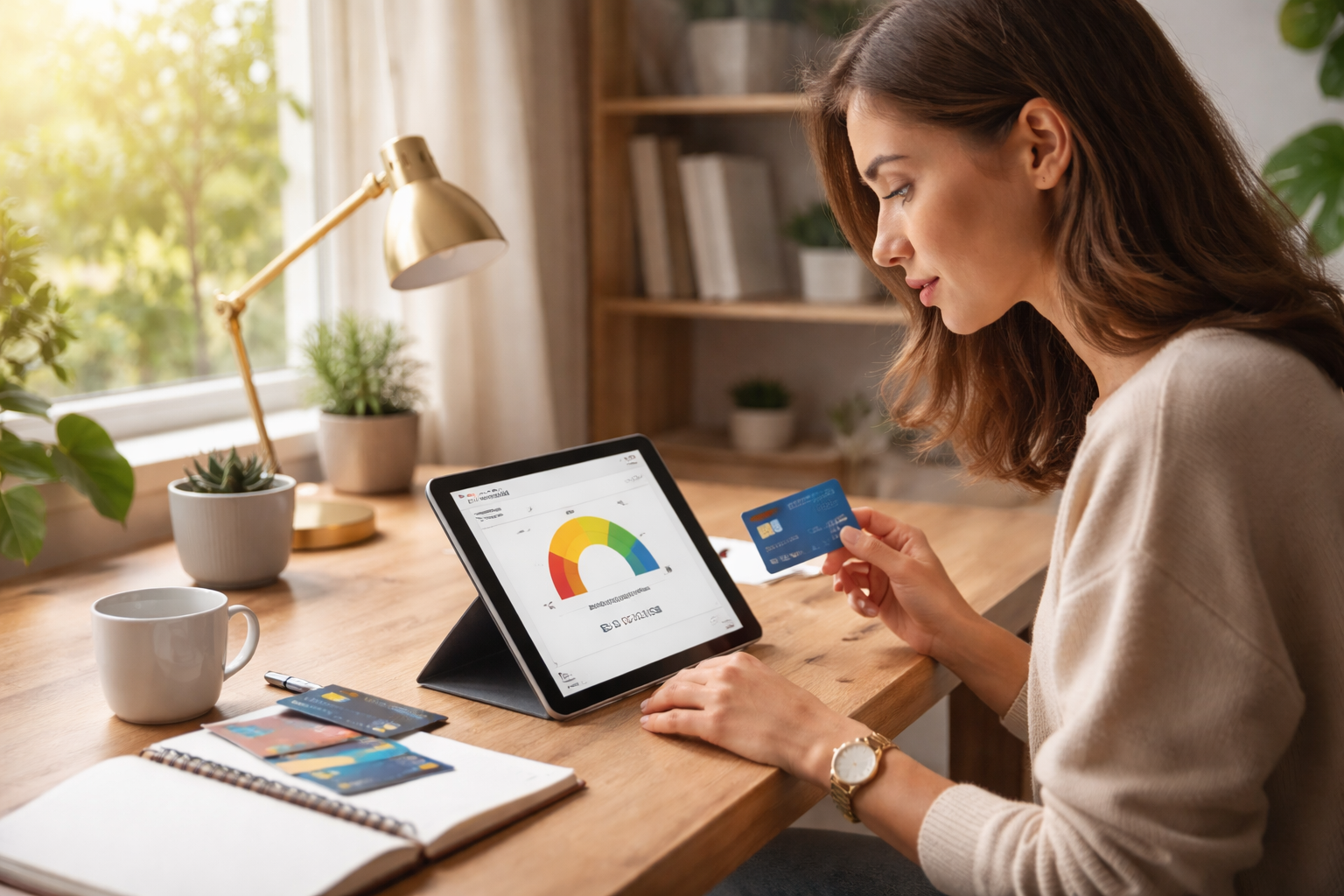
Modern financing has changed drastically over the last decade. One of the most disruptive innovations in personal finance has been the explosive rise of buy now pay later credit — commonly called BNPL. What used to be a fringe payment option at checkout is now a mainstream borrowing tool for millions of consumers. But while BNPL once felt like “free money”, the landscape is shifting dramatically in 2026 thanks to new FICO BNPL reporting changes that are set to influence your financial profile in ways you might not expect.
By understanding this shift — specifically how BNPL credit impact plays out in today’s credit score trends 2026 — you’ll be better equipped to protect your score long‑term and make smarter borrowing decisions. Let’s unpack the topic deeply, starting with the basics.
What Is BNPL and Why It Matters to Your Credit
At its core, buy now pay later credit is a type of short‑term financing that allows consumers to purchase goods and pay for them in installments over a period of weeks or months — often with little or no interest. For years, BNPL was popular because:
- It didn’t require a credit check to use
- It usually didn’t affect your credit history
- It felt more flexible than credit cards
According to the Consumer Financial Protection Bureau (CFPB), most BNPL lenders traditionally did not report payment history to the major credit bureaus, which meant BNPL usage didn’t affect traditional credit scores — for better or worse. (Consumer Financial Protection Bureau)
But that’s changing.
Today, major scoring models — especially those by FICO — are incorporating BNPL data into their calculations, meaning your BNPL repayment behavior may soon influence your creditworthiness. This shift carries huge implications for anyone relying on BNPL services.

What Is “FICO BNPL Reporting” and Why It’s Changing
FICO — Fair Isaac Corporation — is the company behind the most widely used credit score model in the United States. In 2025, FICO unveiled two new scoring variants that explicitly include BNPL loan data in their calculations.
This is a major milestone because:
- BNPL used to not be included in FICO scoring methology.
- Now, BNPL payments may positively or negatively affect your score.
- The year 2026 is when these changes become more prevalent in lending decisions.
In essence, FICO’s updated approach to reporting reflects real‑world credit habits, giving lenders a more complete picture of how you manage debt — including repayment of BNPL loans. It’s now more important than ever to understand how FICO BNPL reporting affects credit scores long term.
How FICO’s New Scoring Models Integrate BNPL Data
Before we break down the consequences — good and bad — let’s demystify what’s happening under the hood.
How the new BNPL scoring works
FICO now offers credit scores — such as FICO Score 10 BNPL and FICO Score 10T BNPL — that:
- Include payment performance on BNPL loans
- Treat BNPL repayment history similarly to traditonal loans
- Aim to reflect consumer credit behavior more accurately
These changes were based on research showing that BNPL is becoming a significant piece of many people’s credit profiles. (investors.fico.com)
What this means for your score
If a BNPL provider reports your repayment activity to credit bureaus — and it’s included in the version of FICO used by a lender — those reports can now impact your score.
The effects will vary depending on how those payments are managed and reported, which brings us to the heart of the issue.
The Role of Payment Reporting in Your Credit Score
At the foundation of most scoring models — including FICO — is the idea that past payment behavior is the best predictor of future behavior.
Whether you pay a loan on time or not matters immensely in scoring. Payment history remains by far the most important factor in FICO calculations.
This is why BNPL — which has historically been invisible to scoring mechanisms — has suddenly become relevant. Now, whether you make each installment payment on time could be factored into your score if the lender reports that information.
But there’s nuance here:
- Not all BNPL providers report payment data
- Providers vary in reporting style and frequency
- Some report missed payments sooner than others
Because of this inconsistency — and the growing use of BNPL — credit scoring is entering a new era, one that rewards disciplined repayment behavior and can penalize missteps more severely than before.

Eight Shocking Ways BNPL Could Ruin Your Credit
Now let’s get to the eye‑opening part: the ways BNPL can actually damage your credit score in the wake of FICO reporting changes.
1. On‑Time Payments May Not Always Help (Yet)
You might think making every payment on time will boost your score — but that isn’t guaranteed.
Not all BNPL providers report positive payment history, even with the new models. Some report only delinquencies or defaulted debt. This means you could do everything right and still see minimal credit benefit.
This creates confusion about will BNPL payments improve credit score after 2026 changes — with the answer: maybe — depending on the provider.
2. Missed Payments Could Hurt You Harder Than You Think
If a BNPL payment is reported as late — or worse, sent to collections — your credit score could take a hit just like with a credit card or personal loan. Late payments are among the most damaging items on a credit report.
According to CFPB guidance, if a BNPL lender sends delinquent accounts to collections, those accounts are reported and can hurt your score. (Consumer Financial Protection Bureau)
3. Multiple BNPL Accounts Can Look Risky
A common consumer temptation is to hold several BNPL purchases across different platforms.
But too many open BNPL accounts — even if managed well — can signal risk to lenders and may raise your overall credit obligations, making you appear overextended and potentially lowering your score.
4. New BNPL Reporting Could Affect Average Account Age
FICO scoring models consider the age of your credit history. Opening a new BNPL account — particularly if it appears on your credit report — can lower the average age of your accounts, which can negatively affect your score even if you’re current on payments.
5. Hard Credit Checks Might Appear After You Apply for Larger BNPL Plans
Some BNPL providers perform soft credit checks at signup — which don’t hurt your score. However, for larger BNPL loans or longer-term plans, some may do hard inquiries which can temporarily lower your score.
6. Inconsistent Reporting Means Hidden Surprises
Because not all BNPL lenders report payment history consistently to the major bureaus, you may discover an unexpected report on your credit file that affects your score — sometimes without clear notification.
7. BNPL Affecting Loan and Mortgage Approvals
If your BNPL accounts show up as debt on a credit report, lenders may view them alongside traditional obligations when you apply for mortgages or auto loans. This is especially true as lenders increasingly look at BNPL reporting update effect on mortgage and loan approvals.
8. Missed BNPL Payments Can Hurt Long After the Balance Is Paid
Once a delinquency is on your credit report, it can stay there for years — even if you eventually settle the balance. This echoes traditional credit reporting behavior and underscores the importance of disciplined repayment.
Comparison Table: BNPL Reporting Impact vs. Traditional Credit Instruments
Below is a clear breakdown of how BNPL compares with credit cards and loans in terms of reporting and scoring impact:
| Feature | BNPL (Post‑2025 Changes) | Credit Cards | Personal Loans |
|---|---|---|---|
| Soft Credit Inquiry | Often | Rare | Rare |
| Hard Credit Inquiry | Sometimes | Sometimes | Often |
| Reporting to Credit Bureaus | Depends on Provider | Yes | Yes |
| Payment History Impact | May Be Included | Always Included | Always Included |
| Average Account Age Effect | Yes | Yes | Yes |
| Potential to Improve Score | Maybe | Yes | Yes |
| Late Payment Penalty | Yes | Yes | Yes |
| Collection Reporting | Yes | Yes | Yes |

How to Use BNPL Without Ruining Your Credit in 2026
Buy now pay later (BNPL) can be a convenient way to spread out purchases, but it’s important to manage it carefully to avoid harming your credit. With recent changes to FICO reporting, BNPL activity may now appear on your credit file, making responsible use more important than ever.
1. Treat BNPL Like Any Other Loan
Even small BNPL purchases can affect your credit if not managed properly. Make sure to pay each installment on time and understand your provider’s reporting practices.
2. Keep Accounts Manageable
Avoid opening multiple BNPL accounts simultaneously. Managing fewer accounts reduces the risk of missing payments and helps you stay organized.
3. Automate Payments
Setting up automatic payments or reminders ensures you never miss a due date, protecting your credit from unexpected negative marks.
4. Use BNPL Wisely
Only use BNPL for purchases you can realistically pay off. Strategic use helps you avoid unnecessary debt and maintain a healthy financial profile.
5. Monitor Your Credit
Check your credit reports periodically to confirm BNPL accounts are reported correctly and there are no unexpected errors.
Key Takeaway:
BNPL can be a helpful financial tool if used responsibly. By paying on time, keeping accounts manageable, and monitoring your credit, you can enjoy the convenience of BNPL without risking your long-term credit health
Why This Matters for Loans, Mortgages, and More
The BNPL reporting update effect on mortgage and loan approvals can be significant.
Lenders often use credit scores and credit reports to vet applicants. An unexpected negative entry — even from a small BNPL plan — can raise red flags in loan underwriting.
This is especially concerning for:
- First‑time homebuyers
- Consumers with limited credit history
- People trying to rebuild credit
In other words, a reckless BNPL habit today could make accessing major loans harder down the road.
How BNPL Late Payments Affect Mortgage Approvals in 2026
With the rise of BNPL credit impact and the upcoming FICO BNPL reporting changes in 2026, many consumers are unaware that even small missteps in their buy now pay later accounts can have serious repercussions — particularly when it comes to mortgage and loan approvals. Understanding this connection is critical for anyone planning to buy a home in the next few years.
Why Lenders Care About BNPL Payments
Traditionally, mortgage lenders focused on:
- Credit cards
- Personal loans
- Auto loans
But as credit score trends 2026 evolve, lenders are increasingly reviewing BNPL activity to evaluate a borrower’s overall financial responsibility. Late or missed BNPL payments can appear on your credit report, making it look like you are overextended or risk-prone, which could raise red flags during the mortgage underwriting process.
How Late Payments Are Reported
Not all BNPL providers report your payment history, but the FICO BNPL reporting update changes this dynamic. Providers that do report late payments can have the following effects:
- Soft penalties: Slight decrease in your score due to delayed reporting
- Hard penalties: If late payments go to collections, your score can drop significantly
- Long-term effects: Negative marks can remain on your credit report for years, affecting future mortgage and loan applications
For example, missing a single BNPL installment might not feel significant, but it could reduce your FICO score enough to affect your mortgage interest rate or even eligibility.
Table: BNPL Late Payment Impact vs. Traditional Loan Late Payment
| Feature | BNPL Late Payment (2026) | Credit Card/Personal Loan Late Payment |
|---|---|---|
| Reported to Credit Bureau | Sometimes/Depends on Provider | Yes |
| Score Impact | Moderate to High | High |
| Collections Risk | Yes, if unpaid | Yes |
| Mortgage/Large Loan Approval | Could be affected | Likely affected |
| Duration on Credit Report | Up to 7 years if in collections | Up to 7 years |
This table makes it clear that even BNPL “small debt” mismanagement can carry serious consequences similar to traditional loans.
Tips to Protect Your Mortgage Eligibility
- Track All BNPL Accounts
Use budgeting apps or calendars to avoid missed payments. - Pay Early Whenever Possible
Paying before the due date ensures the payment posts promptly and reduces risk of reporting errors. - Limit BNPL Use Before Applying for a Mortgage
Ideally, avoid opening new BNPL accounts in the 6–12 months before mortgage applications. - Check Your Credit Report Regularly
Confirm whether BNPL accounts are appearing and if any late payments are reported inaccurately.
Key Takeaway
The BNPL reporting update effect on mortgage and loan approvals is real and growing in 2026. Even though BNPL was once considered “soft debt,” FICO’s new reporting practices mean that late or mismanaged payments could influence loan eligibility, interest rates, and long-term financial planning. By monitoring your accounts and paying responsibly, you can continue to enjoy the convenience of BNPL without jeopardizing your homeownership goals.

BNPL vs. Credit Cards: Which Builds Credit Faster After FICO Updates?
With the new FICO BNPL reporting changes coming in 2026, many consumers are asking: “Should I use BNPL or stick with my credit cards if I want to build credit?” Understanding how each affects your credit score can help you make smarter financial decisions and optimize your credit score trends 2026.
Understanding the Basics
Both BNPL credit impact and credit card usage can influence your credit score, but they work differently:
| Feature | BNPL (Post-2026 Reporting) | Credit Cards |
|---|---|---|
| Credit Reporting | Depends on Provider | Always Reported |
| Payment History Impact | Sometimes Positive | Always Positive/Negative |
| Credit Utilization Effect | Usually Minimal | Major Factor |
| Average Account Age | May Lower Average | Typically Increases with Account Age |
| Building Credit Long-Term | Possible but Limited | Strong Potential |
| Risk of Missed Payment Damage | High | High |
BNPL Advantages
- Convenience at Checkout: You can buy essentials or larger purchases without using credit cards.
- Potential to Build Credit: If your BNPL provider reports positive repayment history, timely payments can contribute to your credit score.
- Short-Term Debt Discipline: Paying in installments encourages careful budgeting.
Caution: Not all BNPL providers report timely payments, and missing a payment can negatively affect your score.
Credit Card Advantages
- Guaranteed Credit Reporting: Every transaction and payment is included in your credit file.
- Credit Utilization Benefits: Responsible use improves your credit utilization ratio, a key factor in FICO scoring.
- Rewards & Benefits: Some cards offer cashback or points while building credit.
Which Builds Credit Faster?
While BNPL can now contribute to credit scores under FICO’s 2026 reporting updates, credit cards remain the superior tool for building long-term credit for most consumers:
- Credit cards always report payment history and balances.
- They impact your credit utilization, which BNPL usually does not.
- Long-standing credit card accounts help improve average account age, which is beneficial for scoring.
Bottom Line: BNPL is convenient and can help if used responsibly, but it’s not yet as powerful for building long-term credit as traditional credit cards.
Tips for Maximizing Credit Growth with BNPL and Credit Cards
- Use BNPL sparingly: Avoid multiple BNPL accounts simultaneously.
- Prioritize on-time payments: Ensure each installment is paid before the due date.
- Maintain a healthy credit card balance: Keep utilization below 30% for maximum FICO benefit.
- Combine responsibly: Use BNPL for small, manageable purchases while relying on credit cards for consistent reporting and long-term growth.
Key Takeaway
Even after FICO BNPL reporting changes in 2026, credit cards remain the most reliable tool to build long-term credit, while BNPL can supplement your credit profile if used responsibly. For most consumers, the best strategy is a balanced approach: leverage BNPL for convenience but prioritize responsible credit card usage to maximize your credit score trends 2026.

Top 5 BNPL Mistakes That Could Ruin Your Credit Score After FICO BNPL Reporting Changes in 2026
As BNPL credit impact becomes a critical factor in credit score trends 2026, understanding the most common mistakes with buy now pay later credit is essential. With the new FICO BNPL reporting changes, even seemingly minor errors can affect your credit score long term, influence mortgage and loan approvals, and alter your overall financial health. Here are the top 5 mistakes to avoid:
1. Missing BNPL Payments
Late or missed buy now pay later credit payments can directly impact your BNPL credit impact. With FICO BNPL reporting updates, these late payments may appear on your credit report, lowering your credit score trends 2026. Even a single missed payment can hurt long-term credit health and affect BNPL reporting update effect on mortgage and loan approvals.
2. Opening Too Many BNPL Accounts at Once
Opening multiple buy now pay later credit accounts may seem convenient, but it can negatively affect your credit score trends 2026. A large number of active BNPL accounts can signal financial overextension to lenders and reduce your average account age, which impacts how FICO BNPL reporting affects credit scores long term.
3. Assuming BNPL Is Invisible to Credit Reporting
Many users mistakenly think BNPL is “off the radar.” However, the 2026 FICO BNPL reporting changes mean your BNPL credit impact is now part of your credit history. Even if payments are made on time, some providers report only negative activity, potentially reducing your credit score trends 2026 unexpectedly.
4. Ignoring Small BNPL Balances or Deferred Payments
Small balances across multiple buy now pay later credit plans can accumulate quickly. Failing to track these can:
- Increase your overall debt obligations
- Affect BNPL credit impact on your FICO score
- Negatively influence credit score trends 2026 and future loan approvals
Even small, ignored balances can contribute to poor financial management perception by lenders.
5. Not Monitoring Your Credit Reports
Failing to check your credit reports regularly can mean errors or BNPL accounts showing up unnoticed. Monitoring your credit ensures:
- Accurate tracking of your BNPL credit impact
- Identification of late payments reported through FICO BNPL reporting
- Prevention of negative surprises affecting credit score trends 2026 or BNPL reporting update effect on mortgage and loan approvals
Pro Tips to Avoid BNPL Mistakes and Protect Your Credit
- Automate all buy now pay later credit payments to ensure on-time repayment
- Limit the number of BNPL accounts to maintain healthy credit score trends 2026
- Track all BNPL balances and due dates
- Regularly review credit reports for errors related to FICO BNPL reporting
- Treat BNPL usage as part of your long-term BNPL credit impact strategy
Key Takeaway:
Even though BNPL offers convenience, careless use can harm your BNPL credit impact and negatively affect credit score trends 2026. By avoiding these 5 mistakes and understanding how FICO BNPL reporting affects credit scores long term, you can safely use buy now pay later credit to your advantage while protecting future mortgage and loan opportunities
Comparison Table: BNPL Mistakes vs. Consequences
| BNPL Mistake | Potential Consequence | Credit Score Impact | Long-Term Risk |
|---|---|---|---|
| Missed Payments | Late mark reported | High | Years of reduced FICO score |
| Multiple Accounts | Overextension | Moderate | Lower average account age |
| Assuming Invisible | Unexpected reporting | Moderate-High | Loan denial risk |
| Ignoring Small Balances | Accumulated debt | Moderate | Increased utilization, stress |
| Not Monitoring Credit | Errors go unnoticed | Moderate-High | Unplanned negative impact on mortgage/loan approval |
Tips to Avoid These Mistakes
- Automate Payments: Set up auto-pay to never miss a BNPL installment.
- Limit Open Accounts: Stick to one or two BNPL providers at a time.
- Track Balances: Keep a running total of all BNPL obligations.
- Check Credit Reports Regularly: Catch mistakes early and dispute inaccuracies.
- Use BNPL Strategically: Only for purchases you can fully pay on time.
Key Takeaway
Even though BNPL is convenient, careless usage can seriously damage your credit if FICO BNPL reporting changes are not accounted for. Avoiding the top 5 mistakes ensures that BNPL helps you maintain a strong credit profile instead of destroying it. With responsible management, you can enjoy the benefits of BNPL without jeopardizing long-term credit health.
FAQs: BNPL Credit Impact and FICO BNPL Reporting
Q1: Does buy now pay later count on my credit report in 2026?
A: Yes, with the latest FICO BNPL reporting updates, many buy now pay later credit accounts can now appear on your credit report. Whether you see an impact depends on the provider and how they report payment history. Monitoring BNPL credit impact is critical to understand how your on-time or missed payments affect your credit score trends 2026.
Q2: Will BNPL payments improve credit score after 2026 changes?
A: How FICO BNPL reporting affects credit scores long term determines this. If your buy now pay later credit provider reports positive payment history, timely payments may improve your BNPL credit impact and boost your credit score trends 2026. However, inconsistent reporting or missed payments could reduce your score, making responsible BNPL use essential.
Q3: What happens if I miss a BNPL payment?
A: Missing a BNPL payment can have a serious BNPL credit impact. Under the FICO BNPL reporting changes, late or missed payments may appear on your credit report and lower your credit score trends 2026. This also influences BNPL reporting update effect on mortgage and loan approvals, so every missed payment matters for your long-term financial health.
Q4: How can I maximize credit benefits from BNPL?
A: To optimize your BNPL credit impact, pay every installment on time, limit the number of active buy now pay later credit accounts, and check your credit reports regularly. Understanding how FICO BNPL reporting affects credit scores long term ensures you are using BNPL strategically to maintain strong credit score trends 2026 while protecting your future loan eligibility.
Q5: Should I still use BNPL with FICO reporting changes?
A: Yes, but cautiously. Using buy now pay later credit responsibly can maintain or even improve your BNPL credit impact, provided you understand how FICO BNPL reporting affects credit scores long term. Prioritize timely payments, monitor reports, and avoid overextending, so your credit score trends 2026 remain healthy while benefiting from BNPL convenience.
Conclusion: Protect Your Credit by Understanding BNPL Credit Impact
The BNPL credit impact is no longer optional to ignore. With FICO BNPL reporting changes rolling out in 2026, every buy now pay later credit decision you make can affect your credit score trends 2026 and long-term financial health. Understanding how FICO BNPL reporting affects credit scores long term is essential for anyone using BNPL services, whether it’s a single purchase or multiple BNPL accounts.
If you’re wondering will BNPL payments improve credit score after 2026 changes, the answer depends on careful, responsible repayment. Conversely, missed or late payments can show up on your credit report — making does buy now pay later count on my credit report 2026 a crucial question for anyone planning future loans. The BNPL reporting update effect on mortgage and loan approvals underscores that your BNPL behavior can influence everything from interest rates to eligibility for major loans.
By monitoring your BNPL credit impact, paying all BNPL installments on time, and using buy now pay later credit strategically, you can maintain strong credit score trends 2026, leverage BNPL responsibly, and safeguard your long-term credit health. Staying informed about FICO BNPL reporting and its effects ensures you remain in control of your credit and financial future.
Take action now: track your BNPL accounts, make timely payments, and treat every BNPL purchase as a credit decision that can shape your financial profile for years to come. Understanding the full BNPL credit impact today helps you protect your credit score trends 2026 and beyond.
For context on credit scoring fundamentals: Investopedia — Credit Scores Explained (investopedia.com)
- For insight into BNPL reporting dynamics: CFPB — Will a BNPL loan impact my credit scores? (Consumer Financial Protection Bureau)