Why DAC8 Crypto Tax Reporting Matters in 2026
Every serious crypto investor in Europe needs to sit up and pay attention: DAC8 crypto tax reporting isn’t just another bureaucratic acronym — it’s the new reality that will shape how your digital assets are taxed and reported from 2026 and beyond.
Starting January 1, 2026, a landmark piece of legislation — the Directive on Administrative Cooperation 8 (DAC8) — expands how tax data is collected and shared across the EU. Combined with the Crypto‑Asset Reporting Framework (CARF) developed by the Organisation for Economic Cooperation and Development (OECD), DAC8 ushers in a new era of automatic tax transparency for crypto‑asset transactions.
In simple terms, the days of hoping crypto activity goes unnoticed are over. Your transactions, wallet movements, and exchange activity will soon become visible to tax authorities — and this has major consequences for investors, from compliance obligations to tax planning. Let’s break down exactly what’s changing, and what you must know as a European crypto investor.
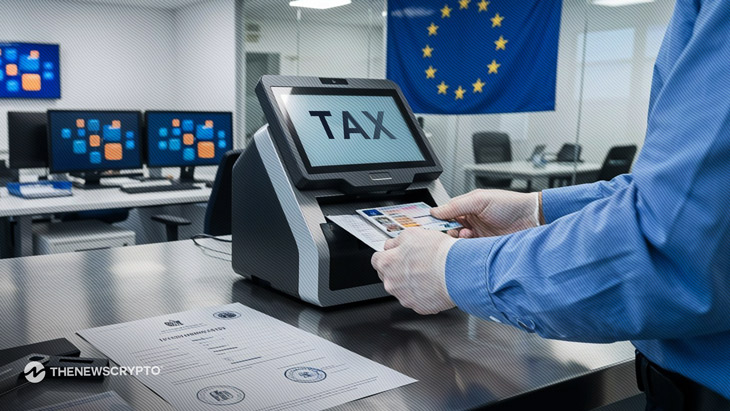
What Is DAC8 and Why It Exists
DAC8 Explained
DAC8 stands for the Eighth Directive on Administrative Cooperation. It’s part of a long‑running EU effort to improve tax transparency among Member States. While earlier versions of this directive covered bank accounts and traditional financial products, DAC8 brings crypto‑assets squarely into the fold.
Under DAC8:
- Crypto‑asset transactions will be systematically collected.
- Reporting Crypto‑Asset Service Providers (RCASPs) must record, verify, and share this data with tax authorities.
- The first reporting year is 2026, with tax authorities exchanging the information beginning in 2027.
In effect, DAC8 ensures that no crypto‑asset data remains invisible to the taxman.
How DAC8 Affects Crypto Investors in Europe
1. Complete Reporting of Transactions
One of the most striking changes is how tax authorities will now receive detailed transaction data that goes far beyond the traditional “end‑of‑year balance.” Under DAC8:
- Exchanges must report total transaction volume by asset type.
- They’ll report all crypto‑to‑crypto and crypto‑to‑fiat trades.
- Wallet transfers and related details are collected, even if executed across multiple platforms.
This is a shift from the old Common Reporting Standard (CRS) model, where only bank account balances were shared.
2. Tax Residence, Not Citizenship, Matters Most
DAC8 and CARF rely on the investor’s tax residency. This means that:
- If you are tax‑resident in an EU country, data about your crypto transactions will be shared with your local tax authority regardless of where an exchange is based.
For example, if you live in France but trade on an exchange registered in Malta — your activity will still be routed back to French tax authorities.
CARF Crypto Tax EU: A Global Standard Embedded in EU Law
The Crypto‑Asset Reporting Framework (CARF) is an OECD initiative designed to extend automatic reporting to crypto‑assets worldwide. CARF was adopted into EU law through DAC8.
CARF’s main objectives are:
- To define which types of transactions and assets must be reported.
- To establish common data formats (like XML schemas) for reporting.
- To build a global standard that works across borders.
This means that EU crypto tax reporting requirements in 2026 align with a broader global trend toward transparency.
Why Investors Should Care: 12 Essential Insights
Let’s dive into the real implications of crypto tax reporting in Europe under DAC8 & CARF. These 12 insights explain how this framework affects you as an investor.
Insight #1: Reporting Begins January 1, 2026
All compliant crypto platforms must start data collection on January 1, 2026. This includes:
- Transaction history
- Wallet details
- User identity verification (KYC) data
Data for the 2026 calendar year will then be reported to tax authorities by September 30, 2027, at the latest.
Insight #2: Broad Scope of Reportable Assets
DAC8 doesn’t only cover Bitcoin and Ethereum. It also includes:
- Stablecoins
- Tokenized financial assets
- Certain NFTs
- Other crypto assets that can be transferred electronically
If it acts like money or an investment — it’s in scope.
Insight #3: All Types of Platforms Must Comply
Platforms subject to DAC8 include:
- Centralized exchanges
- Custodial wallet providers
- Brokers and OTC desks
- Certain DeFi platforms, depending on functionality
This means many services that once operated below the radar will now require full compliance.
Insight #4: Extraterritorial Reach
Even platforms outside the EU must comply if they serve EU tax residents. An exchange based in the U.S. or Asia with users in Europe may still need to report that data to EU tax authorities.
This makes DAC8 one of the most far‑reaching tax reporting laws in crypto history.
Insight #5: Tax Authorities Will Know Your Transactions
Tax authorities won’t just know your balances. They will know:
- How much you bought and sold
- When you did it
- What the fair market value was at the time
- What type of transaction it was
This visibility dramatically increases the likelihood of audits if returns are incorrect or incomplete.
Insight #6: Self‑Custody Isn’t a Free Pass
Moving assets to a private wallet doesn’t make your taxes disappear. Reporting frameworks still capture transfers to and from external wallets, and some countries may treat this as taxable events if there’s a recognizable transfer.
Insight #7: Documentation Is Essential
Because so much data will be visible to tax authorities, poorly maintained records could lead to:
- Incorrect tax declarations
- Penalties
- Audits
Tools that track and categorize transactions will become essential for compliance.
Insight #8: Penalties for Non‑Compliance Can Be Severe
Crypto platforms that fail compliance can face penalties ranging from substantial fines to operational restrictions. In some jurisdictions, non‑compliance can even result in revocation of market permissions.
The same holds for individual compliance failures if tax authorities find under‑reported income.
Insight #9: Reporting Standards Continue to Evolve
CARF standards and DAC8 implementation details — like XML schemas and submission formats — are still being finalized. Investors and platforms must stay updated on changes to avoid surprises.
Insight #10: 2027 Is Just Around the Corner
Although data collection starts in 2026, the first reporting cycle takes place in 2027. This means you have limited time to prepare.
Insight #11: Crypto Tax Planning Must Evolve
Tax planning strategies that once relied on ambiguity won’t work under DAC8. Instead:
- Accurate record‑keeping is critical
- Pre‑2026 planning must be documented
- Professional tax advice may be necessary
Insight #12: This Is Part of a Global Trend
CARF is being adopted not just in the EU, but by many jurisdictions across the globe. Countries participating in CARF commit to sharing tax data broadly, making it harder to avoid scrutiny anywhere. (OECD)
Comparison Table: DAC8 vs. Traditional Tax Reporting
Below is a clear table comparing key differences between the old system (e.g., CRS) and the new DAC8/CARF framework for 2026.
| Feature | Traditional Reporting (e.g., CRS) | DAC8/CARF Reporting (2026) |
|---|---|---|
| Scope of Assets | Mostly bank accounts and financial products | Crypto‑assets and digital value transfers |
| Transaction Detail | End‑of‑year balance only | Full transaction history |
| Reporting Entities | Banks and financial institutions | RCASPs (crypto exchanges, wallets) |
| Global Reach | Limited international agreements | Broad global CARF standard |
| Visibility | Limited | High — with wallet and identity info |
| Reporting Start | 2016‑2020 (varies by country) | January 1, 2026 |
| First Reporting Year | Variable | 2026 (reported in 2027) |
How to Prepare for 2026 European Crypto Tax Reporting
Practical Steps for Investors
- Update Your Records Now
Clean up your historical transactions and reconcile your wallets. - Use Tracking Tools
Crypto tax software tools help categorize trades and prepare reports. - Understand Your Tax Residence Rules
Your country’s tax law may treat digital assets differently. - Consider Professional Advice
Tax professionals with crypto expertise can make a big difference.
How DAC8 Changes the Crypto Landscape
The introduction of DAC8 crypto tax reporting marks a turning point for digital assets. Compliance will no longer be optional. Instead, it becomes fundamental to participating responsibly in the European crypto ecosystem. Whether you’re a casual investor or a professional trader, understanding these new requirements isn’t just useful — it’s essential.
How DAC8 Affects Crypto Investors in Europe: Reporting, Compliance, and Penalties
For anyone involved in crypto tax reporting Europe, understanding DAC8 crypto tax reporting is critical. With the rollout of DAC8 and the Crypto‑Asset Reporting Framework (CARF), the way European investors report, track, and pay taxes on crypto transactions is being transformed in 2026. Let’s explore how DAC8 affects crypto investors in Europe and what this means for compliance, reporting obligations, and penalties.
1. Expanded Reporting Requirements Under DAC8
DAC8 crypto tax reporting introduces new obligations for all crypto-asset service providers (CASPs) and indirectly for investors. Key points include:
- Every crypto-to-crypto and crypto-to-fiat trade executed on exchanges is tracked.
- Transfers between personal wallets and exchanges may be monitored, increasing the scope of crypto tax reporting Europe.
- Reporting covers all types of digital assets including stablecoins, NFTs, and tokenized financial instruments.
Investors must be aware of these expanded obligations. Failing to record transactions accurately can create discrepancies in DAC8 crypto tax reporting, which could trigger audits.
Tip: Maintain detailed logs of all your crypto transactions to ensure smooth compliance with CARF crypto tax EU requirements.
2. Tax Residency Determines Reporting Scope
One of the most important aspects of how DAC8 affects crypto investors in Europe is the emphasis on tax residency:
- If you are a tax resident in France, Germany, or any EU country, all transactions via compliant exchanges are reportable, regardless of where the platform is located.
- Cross-border activities are fully captured in crypto tax reporting Europe, ensuring that moving assets abroad does not exempt you from compliance.
This global reach ensures investors cannot bypass DAC8 crypto tax reporting simply by using international platforms.
3. Self-Custody and Wallet Transfers Are Still Relevant
Many investors assume moving crypto to a private wallet avoids reporting obligations. However:
- Transfers to and from exchanges are recorded under DAC8 crypto tax reporting.
- Even self-custody transactions may become relevant if you later sell, convert, or move assets through compliant CASPs.
- Awareness of these rules is essential for crypto tax reporting Europe compliance and avoiding penalties under CARF crypto tax EU.
4. Enhanced Transparency for EU Tax Authorities
DAC8 crypto tax reporting significantly increases transparency:
- Tax authorities will know transaction amounts, asset types, counterparties, and timestamps.
- Even decentralized finance (DeFi) activities may be flagged when connected to a platform under CARF crypto tax EU.
- This level of reporting makes it essential for investors to align all records with crypto tax reporting Europe standards.
5. Penalties for Non-Compliance Are Significant
Failing to comply with DAC8 crypto tax reporting and CARF crypto tax EU regulations can result in:
- Substantial fines for late or inaccurate reporting.
- Interest on unpaid crypto-related taxes.
- Increased risk of audits and potential legal actions for investors who ignore how DAC8 affects crypto investors in Europe.
Pro Tip: Using professional crypto tax software ensures accurate reporting under DAC8 crypto tax reporting and reduces the likelihood of errors.
6. Best Practices for Investors
To stay compliant with DAC8 crypto tax reporting and crypto tax reporting Europe requirements:
- Keep complete records of trades, transfers, and staking rewards.
- Use professional tools and software to calculate gains and generate compliant reports.
- Stay informed on CARF crypto tax EU updates and guidance.
- Seek professional advice for complex or cross-border crypto transactions.
Following these best practices ensures that investors understand how DAC8 affects crypto investors in Europe and remain fully compliant.
Key Takeaways
- DAC8 crypto tax reporting expands the reporting scope for all EU investors.
- Tax residency determines reporting obligations under crypto tax reporting Europe.
- Self-custody does not exempt investors from CARF crypto tax EU compliance.
- Penalties for non-compliance are significant, reinforcing the importance of accurate reporting.
- Professional tools, detailed records, and up-to-date knowledge are essential for compliance.
References for Credibility:
- European Commission DAC8 overview: DAC8 Directive Details
- OECD CARF framework: Crypto-Asset Reporting Framework
12 Essential Insights for Smart European Investors: Preparing for 2026 Crypto Tax Reporting
With the introduction of DAC8 crypto tax reporting and the crypto‑asset reporting framework CARF compliance guide EU, 2026 marks a new era for EU crypto tax compliance 2026. Every European investor must understand the implications of these rules to avoid penalties, stay compliant, and optimize reporting. Here are 12 essential insights that every smart investor should know about EU DAC8 & CARF crypto tax reporting requirements 2026.
Insight 1: Start Preparing Now for DAC8 Crypto Tax Reporting
Early preparation is the key to smooth DAC8 crypto tax reporting. Even before the first reporting cycle in 2026, investors should:
- Collect historical transaction data across exchanges and wallets.
- Categorize transactions for crypto tax reporting Europe.
- Verify KYC data for all platforms to ensure accuracy under EU DAC8 & CARF crypto tax reporting requirements 2026.
Early preparation ensures accurate reporting and reduces stress when submitting under the new crypto‑asset reporting framework CARF compliance guide EU.
Insight 2: Know Your Tax Residency for Accurate Reporting
DAC8 crypto tax reporting is determined by tax residency, not the location of the platform:
- Investors residing in any EU country must comply with crypto tax reporting Europe, regardless of whether trades happen on foreign exchanges.
- Understanding your residency is crucial for meeting EU DAC8 & CARF crypto tax reporting requirements 2026.
Tax residency directly impacts EU crypto tax compliance 2026, making it essential for all investors to clarify their status.
Insight 3: Track All Types of Crypto Assets
Under DAC8 crypto tax reporting, the following are reportable under crypto tax reporting Europe:
- Cryptocurrencies (Bitcoin, Ethereum, and altcoins)
- Stablecoins
- Tokenized assets
- NFTs and DeFi-generated tokens
Maintaining detailed records ensures compliance with EU DAC8 & CARF crypto tax reporting requirements 2026 and aligns with the crypto‑asset reporting framework CARF compliance guide EU.
Insight 4: Accurate Record-Keeping is Essential
Investors must maintain comprehensive records for DAC8 crypto tax reporting:
- Transaction histories with dates, amounts, and counterparties.
- Wallet addresses, staking rewards, and trade receipts.
- Calculations of capital gains and income for crypto tax reporting Europe.
Good record-keeping simplifies EU crypto tax compliance 2026 and ensures readiness for audits under the crypto‑asset reporting framework CARF compliance guide EU.
Insight 5: Crypto-to-Crypto Trades Are Taxable
Many investors overlook that DAC8 crypto tax reporting considers crypto-to-crypto trades as taxable events:
- Each trade must be reported under crypto tax reporting Europe.
- Capital gains must be calculated accurately for EU crypto tax compliance 2026.
- Failing to report trades can result in penalties under EU DAC8 & CARF crypto tax reporting requirements 2026.
Insight 6: Self-Custody Is Not an Exemption
Even private wallets fall under the scope of DAC8 crypto tax reporting if assets later interact with exchanges:
- Wallet-to-wallet transfers may need to be documented.
- Selling or converting assets triggers obligations under crypto tax reporting Europe.
- Compliance with EU DAC8 & CARF crypto tax reporting requirements 2026 is mandatory for all taxable events.
Insight 7: Penalties Are Real and Significant
Non-compliance with DAC8 crypto tax reporting can result in:
- Fines and interest on unpaid crypto taxes.
- Audit risks for inaccurate crypto tax reporting Europe.
- Legal consequences under EU DAC8 & CARF crypto tax reporting requirements 2026.
Timely, accurate reporting is critical for EU crypto tax compliance 2026.
Insight 8: Use Crypto Tax Software
Technology makes DAC8 crypto tax reporting easier:
- Automates import of transactions for crypto tax reporting Europe.
- Generates compliant reports for EU DAC8 & CARF crypto tax reporting requirements 2026.
- Provides audit trails for the crypto‑asset reporting framework CARF compliance guide EU.
Insight 9: Stay Informed About Regulatory Updates
Regulations evolve, and EU crypto tax compliance 2026 requires staying updated:
- Monitor DAC8 guidance and CARF updates.
- Adjust reporting strategies as rules change.
- Ensure ongoing compliance with crypto tax reporting Europe.
Insight 10: Seek Professional Advice When Needed
Complex transactions demand expertise:
- Staking, lending, and DeFi protocols can complicate DAC8 crypto tax reporting.
- A tax advisor ensures full EU crypto tax compliance 2026.
- Professional guidance helps meet EU DAC8 & CARF crypto tax reporting requirements 2026 accurately.
Insight 11: Understand Reporting Deadlines
Key dates matter for crypto tax reporting Europe:
- Data collection begins January 1, 2026.
- First reports to tax authorities are due in 2027.
- Timely compliance avoids penalties under DAC8 crypto tax reporting and EU DAC8 & CARF crypto tax reporting requirements 2026.
Insight 12: Compliance is a Long-Term Investment Strategy
Following DAC8 crypto tax reporting and the crypto‑asset reporting framework CARF compliance guide EU is more than a legal duty:
- Builds investor credibility.
- Ensures smooth crypto tax reporting Europe for future years.
- Supports long-term EU crypto tax compliance 2026 readiness.
Key Takeaways
- DAC8 crypto tax reporting and the crypto‑asset reporting framework CARF compliance guide EU are central to EU crypto tax compliance 2026.
- Detailed record-keeping, accurate reporting, and professional advice are essential.
- Understanding EU DAC8 & CARF crypto tax reporting requirements 2026 now ensures compliance and peace of mind for years to come.
Comparison and Tools: Navigating 2026 European Crypto Tax Reporting Rules and Deadlines
By 2026, crypto tax reporting Europe will no longer be optional — it’s a structured, transparent, and enforceable framework under DAC8 crypto tax reporting and the Crypto‑Asset Reporting Framework (CARF). To help investors navigate this new landscape, it’s important to understand how DAC8 differs from traditional tax reporting systems and what tools are available to simplify compliance.
1. Comparing DAC8 with Traditional Reporting Systems
DAC8 introduces several significant changes compared to older tax reporting methods like the Common Reporting Standard (CRS) or standard national reporting. Here’s a clear breakdown:
| Feature | Traditional Reporting (CRS / Pre-DAC8) | DAC8 / CARF Reporting (2026) |
|---|---|---|
| Scope of Assets | Bank accounts, mutual funds, and other financial instruments | Crypto-assets including cryptocurrencies, stablecoins, tokenized assets, and some NFTs |
| Transaction Detail | End-of-year balances only | Complete transaction history, including crypto-to-crypto trades, wallet transfers, and staking rewards |
| Reporting Entities | Banks and registered financial institutions | Crypto-asset service providers (exchanges, custodial wallets, brokers, some DeFi platforms) |
| Geographic Reach | Limited by bilateral or multilateral agreements | Broad global reach through CARF standards |
| Compliance Requirements | Basic identification and balance verification | Detailed KYC, transaction monitoring, and structured reporting using standard formats |
| Timeline | Variable per country | Data collection begins January 1, 2026; first reports submitted in 2027 |
| Enforcement | Moderate | Stringent, with penalties for non-compliance for both investors and service providers |
This table highlights why DAC8 crypto tax reporting is a game-changer: transparency, standardization, and accountability are now the norm.
2. Tools to Simplify 2026 European Crypto Tax Reporting
Navigating the detailed requirements of DAC8 and CARF can be challenging without the right tools. Here are some options that help investors stay compliant:
a. Crypto Tax Software
Modern crypto tax software allows investors to:
- Automatically import transactions from multiple exchanges and wallets.
- Calculate capital gains, losses, and taxable income.
- Generate tax-ready reports compatible with local EU reporting standards.
Popular solutions often include audit trails and exportable XML files suitable for submission under DAC8.
b. Portfolio Tracking Platforms
Tracking tools help investors:
- Monitor holdings in real-time.
- Track portfolio performance alongside taxable events.
- Maintain a historical record for future audits or reporting.
These tools are particularly useful for investors who manage multiple wallets or engage in active trading.
c. Professional Tax Advisors
Complex situations — such as staking, lending, or participation in DeFi protocols — may require professional guidance. A qualified tax advisor can:
- Clarify reporting obligations for intricate transactions.
- Optimize reporting strategies within EU rules.
- Ensure deadlines are met and penalties avoided.
3. Key 2026 Deadlines to Keep in Mind
Understanding reporting deadlines is critical for compliance:
- Data Collection Start: January 1, 2026
- Data Submission by CASPs: Typically by September 30, 2027 for the 2026 calendar year
- First Exchanges Between Tax Authorities: 2027
- Ongoing Annual Reporting: Every subsequent year follows a similar collection-and-reporting schedule
Pro Tip: Mark your calendar with these key dates and automate reminders to avoid last-minute errors or late submissions.
4. Practical Compliance Tips
- Maintain organized records of all trades, transfers, and staking rewards.
- Use software solutions to automate calculations and reporting.
- Verify KYC data on exchanges — inaccurate details can lead to reporting errors.
- Stay updated on CARF format changes and country-specific DAC8 guidance.
- Consult a professional for complex or cross-border transactions.
These practices make EU DAC8 & CARF crypto tax reporting requirements 2026 far less intimidating and ensure peace of mind for European investors.
Key Takeaways
- DAC8 and CARF are more detailed and far-reaching than traditional reporting systems.
- Accurate record-keeping and reporting are essential to avoid penalties.
- Use technology and professional guidance to simplify compliance.
- Adhere to deadlines — January 2026 is the start of data collection, with first reporting in 2027.
- Treat compliance as a long-term strategy, not just a one-time task.

Future Implications: How DAC8 & CARF Are Shaping the Next Decade of Crypto Taxation in Europe
The introduction of DAC8 crypto tax reporting and the Crypto‑Asset Reporting Framework (CARF) is more than just a one-off regulatory update. It marks a paradigm shift in how European tax authorities interact with the rapidly growing crypto market, setting the stage for a more transparent and structured ecosystem. Understanding the future implications is crucial for long-term investors and industry stakeholders.
1. Standardization Across Europe
DAC8 and CARF establish uniform reporting standards across EU member states, which means:
- Investors will experience consistent reporting formats, reducing confusion.
- Cross-border transactions within the EU will be easier to track and reconcile.
- Future policies are likely to build upon these standardized frameworks, further simplifying compliance over time.
Consistency helps both tax authorities and investors by creating a predictable and clear reporting environment.
2. Greater Transparency and Market Accountability
By mandating detailed reporting of all crypto transactions, DAC8 ensures:
- Regulatory oversight across exchanges, wallets, and custodial services.
- Reduced opportunities for tax evasion or unreported trades.
- Stronger alignment between investment behavior and legal obligations.
Transparency may also encourage greater institutional participation in the crypto market, as risk and compliance frameworks become clearer.
3. Integration with Global Standards
DAC8 and CARF are part of a larger trend of global coordination:
- Countries outside the EU are looking at similar reporting standards, meaning European investors may indirectly influence global crypto tax norms.
- Cross-border reporting and data sharing between tax authorities will likely increase, making compliance a global concern.
- Future iterations of DAC8 may integrate more closely with the OECD’s crypto reporting recommendations.
This ensures that EU investors are ahead of the curve when international regulations expand.
4. Incentivizing Responsible Crypto Investing
Structured reporting encourages:
- Investors to maintain better records.
- Exchanges and platforms to implement robust compliance mechanisms.
- Early adoption of professional tax solutions and portfolio management tools.
Over time, these practices foster a more responsible, transparent, and credible crypto investment environment.
5. Predictable Enforcement and Reduced Risk
With DAC8’s clear reporting requirements:
- Enforcement is predictable — investors know what triggers audits or penalties.
- Risk management becomes easier, as proper documentation and compliance tools reduce uncertainty.
- Strategic tax planning can be done with confidence, particularly for high-volume traders or those participating in DeFi protocols.
Predictable enforcement benefits both investors and regulators by aligning incentives for compliance.
6. Preparing for the Next Decade
For investors looking at long-term growth:
- Staying compliant today positions you to seamlessly adapt to future regulatory updates.
- Investments in professional tools, accurate record-keeping, and ongoing education pay dividends over the next decade.
- Those who embrace compliance now may benefit from fewer surprises and smoother reporting cycles in the future.
Pro Tip: Treat DAC8 compliance not just as a regulatory hurdle but as a strategic part of your overall investment plan.
Key Takeaways
- DAC8 and CARF create long-term standardization and transparency across Europe.
- Investors will face greater accountability but also more predictable compliance processes.
- Global crypto tax reporting trends are aligning with EU standards, making forward planning crucial.
- Responsible investing practices today will reduce risk and simplify compliance for the next decade.
- Early adoption of professional tools and record-keeping systems is a smart, long-term strategy.
Conclusion: Embracing Transparency in a New Era
In 2026, crypto tax reporting in Europe changes profoundly. No longer is crypto a grey area. With EU DAC8 & CARF crypto tax reporting requirements 2026, tax authorities gain unprecedented visibility into your digital asset transactions. You might feel uneasy about this level of transparency, but it’s also an opportunity to finally bring clarity and certainty into crypto investing.
Being informed, compliant, and prepared will keep you ahead of the curve — and make you a smart European investor who not only survives but thrives in the new regulatory landscape.
- For the official legislative explanation of DAC8 and its goals, visit the European Commission’s tax page on DAC8: https://taxation-customs.ec.europa.eu/taxation/tax-transparency-cooperation/administrative-co-operation-and-mutual-assistance/directive-administrative-cooperation-dac/dac8_en?prefLang=sl (Taxation and Customs Union)
- For a detailed breakdown of CARF and its role within global tax cooperation, see the OECD’s Crypto‑Asset Reporting Framework standard overview: https://www.oecd.org/en/publications/international-standards-for-automatic-exchange-of-information-in-tax-matters_896d79d1-en/full-report/component-5.html?wcmmode=disabled (OECD)