Why the Digital Euro Matters Now
In a world increasingly driven by digital payments, Europe is racing to modernize its financial system with a Digital Euro — a central bank‑issued digital currency designed to complement cash and reshape Eurozone finance trends for years to come. Unlike cryptocurrencies such as Bitcoin, this isn’t a speculative asset. It’s a program of economic transformation led by the European Central Bank (ECB) and EU policymakers to future‑proof Europe’s financial stability, autonomy, and global competitiveness.
But beneath the policy announcements lies an unfolding narrative: the Digital Euro could send shockwaves through how money moves in Europe —and even how the Euro functions on the world stage. This post dives deep into 7 surprising ways this shift could disrupt Eurozone finance trends in 2026 and beyond.
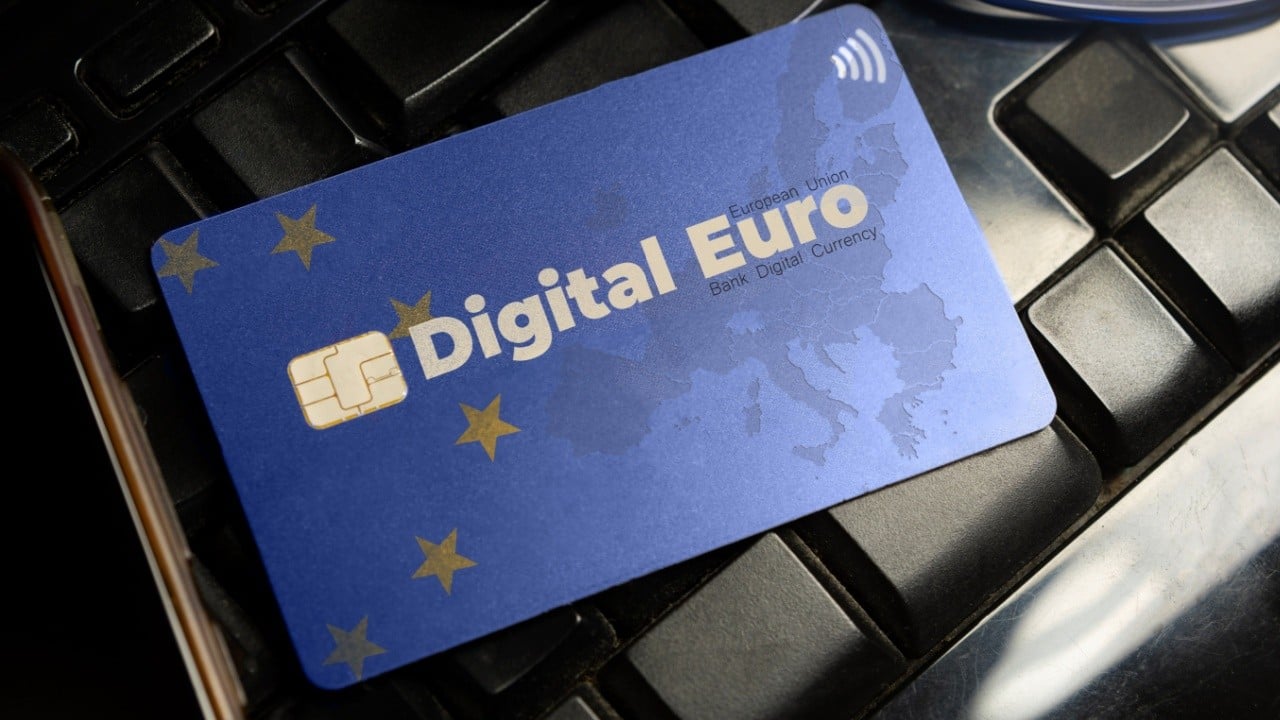
1. A New Digital Infrastructure That Reinvents Payments
One of the biggest transformations the Digital Euro brings is to the heart of the European payments infrastructure.
A Shift From Legacy Systems to Digital Settlement
The digital asset will function as central bank money in digital form — allowing payments that settle instantly and securely without the intermediaries traditionally required in bank transfers. This evolution has enormous implications:
- Digital cash‑like transactions for online and offline purchases.
- Reduced processing costs compared with private networks like Visa or Mastercard.
- Improved interoperability between different payment systems across the euro area.
What This Means in Practice
Imagine paying for your coffee, rent, or international invoice with digital euros — instantly and with near‑zero settlement risk. For merchants and consumers alike, this could:
- Increase financial inclusion
- Lower transaction fees
- Accelerate cross‑border commerce
This shift to digital settlement could make Europe more resilient and competitive in the digital payments era.
2. Unexpected Pressure on Banks and Traditional Finance
You might think a central bank digital currency protects banks. But in reality, it could fracture long‑standing financial models — in surprising ways.
Banks Could Lose Deposits to Digital Euro Accounts
Central banks hold a unique role in the financial system. If consumers can hold digital euros directly, some deposits at commercial banks could shift — especially during times of uncertainty. Simulations by financial analysts suggest this could lead to deposit fluctuations under stress scenarios.
This doesn’t mean a breakdown of the banking system — but it does mean banks will need to rethink:
- Liquidity management
- Retail banking strategies
- Incentive structures for maintaining customer funds
Banks and regulators are already discussing how to balance stability with innovation as the Digital Euro project moves ahead.
3. A Strategic Path Toward Strengthening the Euro’s Global Role
One of the more under‑reported disruptions is how the Digital Euro ties into the Euro’s global position.
From Second to Stronger Reserve Currency?
The Euro today is the second most important currency globally, but still a distant runner‑up to the U.S. dollar in reserve holdings and global trade.
Recent policy actions — like expanded liquidity facilities for global central banks — show the ECB is actively trying to broaden the Euro’s global role. The Digital Euro could:
- Support cross‑border payments
- Provide a sovereign alternative to private stablecoins
- Strengthen trust in euro‑based financial instruments
In other words, the Digital Euro isn’t just digitizing money — it could be a tool for rebalancing global currency influence.
4. The ECB’s Policy Shake‑Up: New Rules, New Realities
With innovation comes regulation — and the European Central Bank Policy around the Digital Euro will be one of the most watched developments in global finance.
Policy Designed to Protect Europe’s Financial Ecosystem
The ECB insists the Digital Euro will not replace traditional cash, but instead ensure central bank money remains relevant in a digital era.
Key policy goals include:
- Safeguarding monetary sovereignty
- Supporting financial inclusion
- Ensuring privacy protections
- Maintaining a resilient payment system
What’s striking is how the ECB is also trying to protect domestic card networks and banks from being sidelined by global payment giants — even while it modernizes the system. This dual approach underscores the complexity of steering innovation in a decades‑old financial order.
5. A Digital Euro Pilot on the Horizon — 2027 Preparation
One of the most “shocking” timeline disruptions is how quickly Europe is moving from concept to real, live testing.
Pilot Testing Set for 2027
The ECB and EU institutions are beginning the process of selecting payment service providers to participate in a digital euro pilot slated for the second half of 2027.
| Phase | Expected Timeline |
|---|---|
| Preparation & Legislation | 2026 |
| Pilot Selection & Testing | 2027 |
| Full Launch (Assuming Approval) | 2029 |
| Ongoing Integration & Adoption | 2030+ |
This phased rollout shows how the Digital Euro is transitioning from a theoretical project into an operational reality — faster than many expected.
6. How the Digital Euro Could Influence EU Finance Trends Across Sectors
The Digital Euro’s ripple effects extend far beyond just payments.
Potential Disruptions Include:
- Innovation in Digital Finance: Encourages fintech startups to build around a public digital money infrastructure.
- Capital Market Evolution: Investors and institutions may start pricing digital euro‑denominated assets differently.
- Government Financing: Public debts and bonds could see new models of issuance and settlement.
- Trade & Export Finance: A more integrated digital payment base could boost EU exports and ease cross‑border financial flows.
Essentially, as the Digital Euro becomes more embedded, it could rewrite traditional Eurozone finance trends from retail to institutional markets.
7. The Bigger Picture: A Digital Euro Shaping Europe’s Sovereignty
Perhaps the most profound disruption is philosophical: Europe is using the Digital Euro to assert economic sovereignty in a multipolar digital era.
A Response to Global Forces
With shifts in geopolitics and finance — including U.S. dominance in financial technologies and payment networks — Europe is crafting its own narrative: a sovereign, digitally enabled financial system that doesn’t depend on external entities.
By building a public digital currency, Europe is signaling it wants to:
- Maintain autonomy over monetary systems
- Guard against over‑dependence on foreign tech and finance
- Raise its profile in global finance
The Digital Euro isn’t just a payments tool — it’s a strategic assertion of financial identity in a rapidly changing world.

How the Shocking Disruptions of the Digital Euro Could Be Avoided
While the Digital Euro promises enormous benefits — from faster payments to a stronger Euro global role — it also carries risks that could disrupt Eurozone finance trends. Policymakers, banks, and businesses can take proactive measures to avoid or minimize these risks. Here’s how:
1. Strengthening Traditional Banks’ Role
Problem: The Digital Euro could shift deposits away from commercial banks, potentially destabilizing liquidity.
Solution:
- Hybrid Accounts: Encourage models where digital euros coexist with traditional bank deposits rather than fully replacing them.
- Incentivized Banking Services: Banks can offer value-added services tied to digital euro accounts, ensuring customers still engage with banks for lending, investments, and advisory.
- Policy Support: Regulators could limit the proportion of a citizen’s holdings in digital euros to prevent sudden mass withdrawals from commercial banks.
Result: Banks remain central to the financial ecosystem while embracing innovation.
2. Ensuring Privacy and Data Protection
Problem: Digital euro transactions might expose sensitive consumer data if improperly handled.
Solution:
- Privacy by Design: Implement strong anonymization protocols and cryptographic safeguards in the Digital Euro system.
- Clear Regulations: EU legislation should define strict rules for transaction data access by authorities, preventing misuse.
- Consumer Awareness: Public education campaigns can guide citizens on secure digital euro usage.
Result: Trust in the system is maintained, encouraging adoption without compromising security.
3. Gradual and Phased Implementation
Problem: Sudden rollout could overwhelm banks, businesses, and payment infrastructure.
Solution:
- Pilot Programs: The 2027 pilot is crucial — carefully selected institutions and regions can test real-world usage.
- Stepwise Expansion: Gradually scale access across different demographics, businesses, and regions.
- Continuous Feedback: Use pilot data to identify and fix issues before full launch.
Result: Adoption is smooth, minimizing operational shocks and technical failures.
4. Strengthening Cross-Border Coordination
Problem: Misalignment among EU states could create fragmentation, reducing efficiency and undermining the Euro global role.
Solution:
- EU-Wide Standards: Establish consistent rules for Digital Euro accounts, interoperability, and compliance.
- Harmonized Infrastructure: Ensure cross-border payment systems operate seamlessly across all member states.
- Centralized Oversight: ECB can act as a coordinating authority to monitor and guide member states.
Result: The Digital Euro functions as a truly unified currency, preventing fragmentation issues.
5. Public Education and Communication
Problem: Misunderstandings could cause panic or mistrust, slowing adoption.
Solution:
- Transparent Information Campaigns: Explain how the Digital Euro works, its safety, and advantages.
- Demonstrations & Tutorials: Interactive guides for everyday use can build confidence.
- Feedback Channels: Allow citizens to report issues and ask questions, showing responsiveness.
Result: Citizens adopt the Digital Euro with confidence, avoiding societal resistance.
6. Managing Market and Investment Impacts
Problem: Digital Euro introduction could disrupt capital markets if investors react unpredictably.
Solution:
- Regulatory Guidance: Central banks can issue clear rules for digital euro usage in investments, bonds, and settlements.
- Gradual Integration: Introduce the Digital Euro in capital markets slowly to prevent price shocks.
- Liquidity Support: Ensure institutions have backup liquidity channels to mitigate sudden market stress.
Result: Markets absorb the Digital Euro’s introduction without instability.
7. Aligning Global Strategy and Diplomacy
Problem: Over-ambitious global deployment could trigger friction with other central banks or financial systems.
Solution:
- Strategic Coordination: Align Digital Euro policies with international partners to ensure interoperability.
- Monitoring Global Reactions: Keep track of foreign central bank responses and adjust policies as needed.
- Focus on EU Goals First: Prioritize internal stability and adoption before aggressive external expansion.
Result: The Digital Euro strengthens the Euro global role without unnecessary geopolitical disruption.
Key Takeaway
By combining phased rollout, robust regulation, strong bank integration, public education, and international coordination, Europe can reap the benefits of the Digital Euro while avoiding its potential disruptions. Proper planning now ensures that the Digital Euro enhances Eurozone finance trends without creating instability making it a powerful tool for the EU’s financial sovereignty and innovation.
Risks and Challenges of the Digital Euro
While the Digital Euro presents enormous opportunities, it also comes with several risks and challenges that stakeholders across Europe must carefully navigate. Understanding these potential pitfalls is essential to ensure a smooth rollout and to prevent unintended disruptions to Eurozone finance trends.
1. Threats to Traditional Banking Stability
One of the most cited risks is the potential impact on commercial banks. If consumers can hold digital euros directly in accounts with the European Central Bank (ECB), traditional banks could see significant outflows of deposits.
- Liquidity Pressures: Banks rely on deposits to fund loans and other operations. Sudden shifts to digital euro accounts could limit their ability to provide credit.
- Business Model Disruption: Retail banking revenue streams, such as interest on deposits, could be affected.
- Mitigation: Policymakers can establish safeguards, such as capping the amount of digital euros an individual can hold outside commercial banks, or encouraging hybrid accounts that maintain bank engagement.
2. Privacy and Data Security Concerns
Digital transactions, by nature, leave a digital trail. While the Digital Euro aims to balance privacy with regulatory oversight, there are risks:
- Data Vulnerability: Hackers or cybercriminals may target digital wallets or central databases.
- Surveillance Concerns: Citizens may fear excessive government monitoring of their spending habits.
- Mitigation: The ECB is developing privacy-preserving technologies, including anonymization and cryptographic safeguards, ensuring transactions are secure while maintaining compliance with EU laws.
3. Cybersecurity and Operational Risks
A fully digital currency introduces new technical vulnerabilities:
- System Failures: Outages or technical glitches could halt payments, affecting businesses and consumers.
- Cyberattacks: Sophisticated attacks could target both the infrastructure and users.
- Mitigation: Strong cybersecurity protocols, distributed systems, and continuous monitoring will be crucial. Additionally, pilot programs allow authorities to identify and patch vulnerabilities before a full rollout.
4. Unequal Access and Adoption Challenges
Despite its potential to enhance financial inclusion, the Digital Euro could exacerbate inequalities if certain populations or regions lack access to technology:
- Digital Literacy Gaps: Older adults or less tech-savvy individuals might struggle to use digital wallets.
- Infrastructure Disparities: Rural areas may have limited internet connectivity, hindering participation.
- Mitigation: Governments can invest in digital literacy programs and infrastructure development to ensure universal access, making the Digital Euro genuinely inclusive.
5. Market and Investment Volatility
The introduction of the Digital Euro may create uncertainty in financial markets:
- Investor Behavior: Sudden shifts in liquidity could impact bonds, loans, or Euro-denominated assets.
- Exchange Rate Fluctuations: International perception of the Euro may react unpredictably during early adoption phases.
- Mitigation: Gradual rollout, clear communication, and regulatory guidance can help markets adjust smoothly. Central banks may also provide temporary liquidity support if needed.
6. Regulatory and Legal Complexities
The Digital Euro must comply with existing EU financial laws while addressing emerging challenges:
- Cross-Border Issues: Payments across member states require harmonized regulations.
- Compatibility with Private Digital Currencies: Balancing innovation with stability is complex.
- Mitigation: Coordinated EU policy frameworks and ongoing consultation with stakeholders ensure compliance and reduce legal ambiguity.
7. Risk of Public Misunderstanding
Finally, lack of public understanding could slow adoption or provoke resistance:
- Misinformation: People may confuse the Digital Euro with cryptocurrencies or perceive it as replacing cash entirely.
- Fear of Change: Resistance to digital-only payments could limit uptake.
- Mitigation: Transparent public education campaigns, demonstrations, and clear messaging about benefits, safety, and coexistence with cash are essential.
Summary of Key Risks
| Risk | Potential Impact | Mitigation |
|---|---|---|
| Banking Stability | Liquidity shortages, revenue loss | Hybrid accounts, deposit caps |
| Privacy & Security | Data breaches, surveillance fears | Privacy-by-design, encryption |
| Cyber Threats | System downtime, attacks | Robust cybersecurity, pilot testing |
| Unequal Access | Financial exclusion | Digital literacy programs, infrastructure |
| Market Volatility | Asset price instability | Gradual rollout, regulatory guidance |
| Regulatory Complexity | Legal conflicts | Harmonized EU policy |
| Public Misunderstanding | Low adoption, mistrust | Education, clear communication |

Opportunities and Benefits of a Central Bank Digital Currency
The introduction of a central bank digital currency represents one of the most significant shifts in Europe’s financial landscape in recent decades. Beyond serving as a digital version of traditional money, it offers a range of opportunities and advantages for citizens, businesses, and the broader economy. From modernizing payments to enhancing the Euro’s international standing, this innovation could fundamentally reshape how funds are stored, transferred, and utilized.
1. Greater Financial Inclusion
One of the most important benefits is the potential to expand access to financial services. Despite being highly developed, parts of Europe still have underbanked populations. A digital form of central bank money can:
Provide universal access to citizens without traditional bank accounts.
Reduce costs associated with low-value transactions.
Empower individuals in rural or underserved areas to participate fully in the economy.
By broadening participation, the system strengthens internal economic activity and supports EU social goals.
2. Streamlined Payments Infrastructure
The move to digital currency can greatly enhance payment efficiency:
Instant Settlements: Transactions can clear in real time, unlike conventional transfers.
Cross-Border Convenience: Sending money across EU countries becomes faster and simpler.
Lower Fees: Businesses and consumers save on transaction costs compared with card networks or bank transfers.
These improvements allow merchants to manage cash flow more effectively and offer smoother payment experiences to customers.
3. Driving Financial Innovation
A public digital currency creates new opportunities for fintech innovation:
New Financial Products: Programmable money, smart contracts, and digital lending can be built on top of the system.
Enhanced Payment Services: Startups can develop apps for budgeting, payments, or savings integrated with the central bank system.
Healthy Competition: Innovation flourishes without destabilizing existing financial institutions, giving consumers more choices.
This can position Europe as a leader in the digital finance space, attracting talent and investment.
4. Promoting Economic Stability and Sovereignty
A central bank-backed digital currency supports financial security and policy control:
Safe Value Storage: Money held directly with the central bank is risk-free compared with private alternatives.
Crisis Resilience: It provides a stable option during periods of financial stress.
Policy Efficiency: Authorities can implement monetary measures more quickly and accurately, from targeted stimulus to emergency transfers.
This builds public trust and strengthens confidence in Europe’s financial system.
5. Facilitating Trade and International Use
Digital money can also reinforce the Euro’s position globally:
Smooth Cross-Border Payments: Businesses can transact faster and cheaper internationally.
Potential for Reserve Holdings: Foreign central banks may increasingly adopt it as a stable, liquid asset.
Boosting EU Trade Strategy: A unified digital payment system makes exports and international business more efficient.
This positions the Euro as a modern, digital-ready currency for global commerce.
6. Operational and Environmental Benefits
The shift to digital currency brings practical and sustainable advantages:
Reduced need for cash production, transport, and storage.
Lower energy consumption compared with some traditional banking operations.
Streamlined government payments, reducing bureaucracy and administrative costs.
These benefits contribute to a more modern, efficient, and environmentally friendly financial system.
7. Transparency and Fraud Prevention
Finally, digital money can improve oversight and reduce fraud:
Transaction Traceability: Authorities can detect unusual patterns without compromising user privacy.
Auditability: Flow of funds is easier to track, helping regulators and institutions maintain accountability.
Trust: Backing by the central bank increases public confidence compared with private digital alternatives.
Summary of Key Advantages
| Benefit | Description |
|---|---|
| Financial Inclusion | Access for unbanked and underserved populations |
| Efficient Payments | Faster, cheaper, and more convenient transactions |
| Innovation | Platform for fintech products and apps |
| Stability & Sovereignty | Secure value storage, policy flexibility |
| Trade & Global Use | Enhanced cross-border payments, international adoption |
| Operational & Environmental | Reduced costs, lower energy consumption |
| Transparency & Fraud Reduction | Traceable transactions, increased public trust |
Conclusion: The Digital Euro’s 2026 Ripple Effect
The launch of a Digital Euro — starting with pilot programs in 2027 and expected issuance in 2029 — represents one of the most important shifts in Europe’s monetary history. What began as a policy discussion has evolved into a strategic implementation that could reshape:
- How money flows in the euro area
- The role of traditional banking and finance
- Europe’s influence on global currency markets
By understanding these 7 shocking disruptions, we can appreciate not just what the Digital Euro is — but why it matters — and why 2026 will likely be remembered as the year the euro entered a new digital era.
- Read the official ECB project update on the Digital Euro roadmap here: https://www.ecb.europa.eu/press/pr/date/2025/html/ecb.pr251030.en.html
- See details on benefits and global influence of the Euro from the European Council: https://www.consilium.europa.eu/en/policies/benefits-of-adopting-the-euro/