Why Freelancer Credit Scoring in Europe Is Changing Fast
Freelancer credit scoring Europe is changing rapidly in 2026, thanks to the rise of open banking and digital income signals. For self-employed professionals, irregular income has traditionally made it difficult to access loans, credit cards, or favorable interest rates. However, modern alternative credit scoring models now allow freelancers to showcase their true financial reliability, giving them better opportunities to borrow, invest, and grow their businesses across Europe. In this guide, we explore 10 powerful ways open banking can supercharge your credit score, including practical strategies and actionable tips specifically designed for freelancers with irregular income streams.
But 2026 marks a turning point for self‑employed professionals in Europe.
Thanks to regulatory change and the rise of Open Banking credit score systems, lenders are no longer judging your creditworthiness solely by historic credit reports. Instead, they’re looking at real financial behaviour — especially real‑time income and cashflow data. This shift brings enormous opportunity for millions of freelancers across Europe.
In this post, you’ll discover:
- What makes freelancer credit scoring in Europe different today
- The top 10 ways open banking and digital income signals can boost your score
- Practical actions you can implement this week
- A clear comparison of traditional and next‑gen scoring models
Let’s dive in.

What Is Freelancer Credit Scoring — And Why It Wasn’t Built For Freelancers
Traditional credit scoring systems — used by most banks and large lenders — focus on:
- Past loan repayments
- Credit account history
- Debt levels
- Length of credit history
- Recent credit applications
Unfortunately, income isn’t directly factored into those scores — meaning someone could earn generously but still be viewed as high risk if they haven’t used formal credit before.
Freelancers often get trapped in this system because their income doesn’t follow predictable pay‑slip patterns — they invoice clients, use multiple payment platforms, or operate with varying monthly earnings. This creates a thin credit file, which traditional lenders interpret as risk — even if you’re financially sound.
That’s where alternative credit scores 2026 and open banking credit score systems come in — offering a more holistic, modern view of financial behaviour.
What Is Open Banking — And How It Improves Credit Scores for Freelancers
Open banking is a secure framework that lets you grant lenders permissioned access to your real‑time bank transaction data. In Europe, Open Banking is powered by regulatory frameworks like PSD2 — a legal mandate aimed at improving competition, transparency, and service quality.
Instead of relying on outdated credit files, lenders can now analyse:
- Real income patterns
- Cashflow consistency
- Spending behaviour
- Payment reliability
- Recurring bills and saving habits
The result? A richer, clearer credit profile — particularly for freelancers who may not have traditional credit histories but do show consistent earnings and responsible money management.
Table: Traditional Credit Scoring vs Open Banking Credit Scoring
| Factor | Traditional Credit Scoring | Open Banking Credit Scoring |
|---|---|---|
| Income Visibility | Low (not directly used) | High (considers real‑time income) |
| Cashflow Pattern | Ignored | Central data point |
| Update Frequency | Slow (monthly/quarterly) | Live / real‑time |
| Freelancers & Gig Workers | Often treated as high risk | Access boosted with consistent behaviour |
| Alternative Data | Rarely used | Standardised part of scoring |
| Overall Fairness | Lower | Higher |
| Credit Filing | Based on static reports | Dynamic real‑time profiles |
10 Powerful Ways Open Banking Supercharges Your Credit Score in Europe (2026)
Below are the most effective strategies based on how modern lenders evaluate your financial health using digital income signals and alternative data.
1. Showcase Consistent Cashflow Over Time
Instead of a single large deposit, lenders prefer regular income patterns. Even fluctuating income looks less risky when deposited at predictable intervals.
- Weekly or bi‑weekly deposits
- Monthly recurring client invoice payments
- History of cashflow over 6–12 months
Real‑time transaction history paints a clearer picture than static credit reports.
Action: Stick with one primary bank account for freelance deposits.
2. Use Open Banking Tools to Pull Real Bank Data
When you connect your bank account to a lending platform via Open Banking APIs, the system analyses:
- Income trends
- Spending habits
- Average balances
- Unusual transaction patterns
They use this data as part of a next‑generation credit decision — improving your chances of approval.
Action: Connect all relevant income accounts when requested in loan applications.
3. Reduce Income Volatility Wherever Possible
Lenders penalise high variance (big up/down swings in month‑to‑month income). Credit models see volatility as risk, even if annual earnings are high.
Tips:
- Use buffer savings for slower months
- Request regular weekly or monthly payments from clients
- Avoid large single payments with long gaps
4. Demonstrate Responsible Financial Behaviour
Your spending habits signal risk mitigation — whether or not you carry traditional debt.
Positive signals include:
- On‑time recurring payments
- Zero or limited overdrafts
- Regular savings deposits
- Balanced spending habits
Lenders using open banking can see these behavioural signals instantly.
5. Use Multiple Data Sources to Build Credit Profiles
Some lenders incorporate rent, utility payments, and subscription history into alternative scoring models. This gives visibility into consistent financial responsibility even without a loan history.
6. Link Gig Platforms and Payment Providers
If you get paid from Upwork, Fiverr, Stripe, or similar platforms, linking those accounts makes your income verifiable to the scoring model.
Action: Consolidate or show detailed client income streams.
This strengthens your profile more than sporadic direct deposits.
7. Leverage Modern AI‑Enhanced Credit Tools
AI‑powered scoring tools can detect patterns traditional models miss — especially for irregular income streams. These systems refine predictions around risk and repayment, adjusting offers accordingly. (financetechx.com)
8. Document Business Saving & Emergency Buffers
Maintaining a cash buffer — even a small one — signals prudence. Lenders may view regular savings deposits positively, treating them as evidence of long‑term planning.
9. Stay Active in Credit Reporting Programs
Some services allow you to report utility and rent payments as positive financial behaviour — helping build alternative credit history even without credit cards or loans. This data feeds into next‑gen scoring for freelancers.
10. Understand What Factors Hurt Your Score
Modern models aren’t perfect — but they do flag risk signals separately. Common negative triggers include:
- Frequent overdrafts
- Erratic deposits
- Large unexplained cash deposits
- Multiple inactive accounts
Knowing what hurts your score can be as powerful as knowing what helps.
Best Alternative Credit Scoring Models for Self‑Employed in Europe 2026
Below are some of the leading models and frameworks that successfully incorporate digital signals for freelance credit assessment.
Open Banking API Based Platforms — Standard across the EU for secure transaction data access.
Real‑Time Data Models — Analyse cashflow, behavioural patterns, and recurring payments.
Digital Behaviour Scoring — Incorporates wider financial data beyond simple loan history. (Finexer Open Banking Blogs)
How Open Banking Credit Score Models Work for Freelancers in Europe
In recent years, the financial landscape in Europe has evolved dramatically for freelancers. Traditional credit scoring systems — which rely heavily on static credit history, past loans, and predictable salary deposits — were never designed with self-employed professionals in mind. Freelancers, often juggling multiple clients, irregular payments, and diverse income streams, found themselves at a disadvantage. Enter Open Banking credit score models, a game-changer for those navigating the freelance economy.
What Is Open Banking?
Open Banking is a regulatory and technological framework that allows banks and financial institutions to securely share financial data with third-party providers, but only with your permission. This framework, mandated under PSD2 regulations in the European Union, empowers lenders and fintech companies to access real-time financial information, such as:
- Bank account balances
- Transaction histories
- Payment patterns
- Recurring income streams
For freelancers, this is revolutionary because it allows lenders to evaluate creditworthiness based on actual financial behavior, not just past loans or credit cards.
Why Open Banking Changes Freelancer Credit Scoring in Europe
- Real-Time Data Analysis
Unlike traditional scoring that updates infrequently, open banking enables lenders to see a live snapshot of your income and cash flow. This allows them to assess whether you can reliably manage debt, even if your earnings are irregular. - Holistic View of Financial Health
Lenders can analyze your spending habits, savings patterns, and recurring payments, providing a more complete picture than a simple credit report. For example, a freelancer with fluctuating income but consistent savings and on-time bill payments may appear more creditworthy than a salaried worker with poor financial habits. - Reduced Bias Against Irregular Income
Freelancers often face higher interest rates or rejections because traditional models consider irregular income a risk. Open banking scoring models mitigate this by incorporating digital income signals into their calculations, giving self-employed professionals a fairer chance.
How Lenders Use Open Banking Data
Modern lenders use a combination of algorithms and AI-driven models to interpret open banking data. Key factors they typically consider include:
- Income consistency: Even with irregular income, patterns such as weekly or monthly deposits signal reliability.
- Cash flow trends: Positive net balances over time indicate good money management.
- Financial obligations: Timely payments for subscriptions, utilities, and rent reflect financial responsibility.
- Spending patterns: Low-risk spending behavior can improve your perceived reliability.
This approach forms part of alternative credit scores 2026, which combine traditional credit data with these modern financial signals to produce a score that better reflects a freelancer’s true creditworthiness.
Benefits for Freelancers in Europe
- Access to better loan terms: Lower interest rates and higher credit limits for those with positive digital income patterns.
- Faster approvals: Real-time data reduces the need for manual verification and long waiting periods.
- Inclusivity: Freelancers who previously struggled to build credit history can now establish robust credit profiles.
Example of How It Works
Imagine a freelancer, Anna, who invoices multiple clients across Europe. Using open banking:
- Her bank account is linked to a credit platform.
- The platform analyzes 12 months of transactions.
- Despite her irregular payments, the system detects a pattern of consistent cash flow, prompt invoice settlements, and responsible spending.
- As a result, Anna receives a favorable open banking credit score, enabling her to access loans or credit cards she previously couldn’t.
This scenario highlights how open banking improves credit score for freelancers in Europe — by providing lenders with a realistic, data-driven understanding of financial behavior.
Key Takeaways
- Open banking credit score models are tailor-made for self-employed individuals and freelancers.
- They incorporate digital income signals, spending habits, and cash flow trends alongside traditional credit data.
- Freelancers with irregular income now have a pathway to fairer, more accurate credit assessments.
By understanding how these systems work and actively leveraging them, freelancers can boost their creditworthiness and unlock financial opportunities previously unavailable.
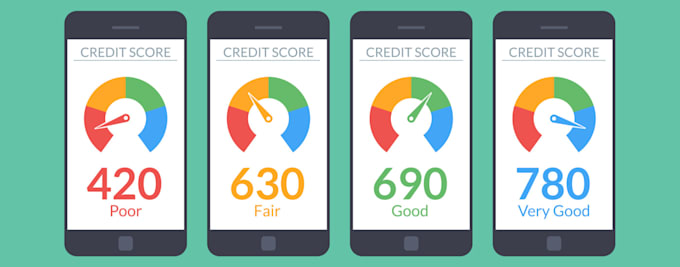
Top 5 Alternative Credit Scoring Strategies for Irregular Income Freelancers
Freelancers in Europe often struggle with irregular income, which can make traditional credit scoring feel like an uphill battle. Fortunately, alternative credit scores 2026 and digital income lending Europe models are transforming this landscape, allowing self-employed professionals to showcase their financial reliability even without a consistent paycheck. In this section, we’ll explore five actionable strategies to improve your creditworthiness and take advantage of modern scoring models.
1. Leverage Open Banking to Showcase Real Income Patterns
As discussed in Subtopic 1, open banking enables lenders to access real-time bank account data with your consent. This data paints a comprehensive picture of your financial behavior and income trends.
Actionable Tips:
- Connect your primary freelance bank account to reputable credit platforms.
- Ensure all client payments flow through this account for better visibility.
- Maintain clear records of recurring deposits to highlight consistency.
Benefit: Lenders see not just a snapshot of income, but a pattern over time, which significantly improves your score.
2. Maintain a Cash Buffer to Reduce Perceived Risk
Lenders often penalize erratic deposits or months with low balances. By keeping a cash reserve, you demonstrate financial prudence and stability, which positively impacts alternative credit scoring models.
Actionable Tips:
- Set aside 10–20% of monthly income in a dedicated savings account.
- Use automated transfers to build the buffer consistently.
- Track your balance trends for transparency during credit applications.
Benefit: Even freelancers with fluctuating income can show that they can meet obligations reliably.
3. Report Rent and Utility Payments
Some modern credit scoring systems now allow rent, utilities, and subscription payments to contribute positively to your credit profile. This is particularly useful for freelancers who lack traditional loan histories.
Actionable Tips:
- Use platforms like Experian Boost (UK) or similar EU-based services to report recurring payments.
- Include proof of on-time payments to strengthen your financial reputation.
Benefit: Demonstrates responsible payment behavior beyond loans, enhancing your open banking credit score.
4. Diversify Income Streams With Consistency
Having multiple clients is common for freelancers, but unpredictability can be risky in the eyes of lenders. Building stable, predictable income streams can improve your credit evaluation.
Actionable Tips:
- Structure contracts for regular weekly or monthly payments.
- Encourage clients to automate invoicing and direct deposit.
- Consolidate income reporting to a single account for visibility.
Benefit: Shows a steady cashflow pattern, increasing reliability in digital income lending Europe systems.
5. Use Alternative Data Platforms
Several fintech platforms now integrate behavioral data, spending patterns, and digital transaction history into credit scoring. These systems recognize that freelancers may not have traditional credit histories but are financially responsible.
Popular Platforms:
| Platform | Key Features | Region |
|---|---|---|
| Experian Boost | Reports utility & telecom payments | UK, EU |
| Credit Kudos | Analyzes bank transaction data | UK, EU |
| Tink | Open Banking integration for financial insights | EU-wide |
Actionable Tips:
- Link all relevant accounts to these platforms.
- Regularly update and monitor your data for accuracy.
- Combine with open banking reporting for maximum impact.
Benefit: Demonstrates financial reliability in real-time, helping freelancers improve their credit scoring Europe credibility.
Additional Tips to Boost Alternative Credit Scores
- Pay invoices promptly: Late client payments shouldn’t disrupt your financial record; track and document timely client payments.
- Automate financial tracking: Tools like QuickBooks or Xero help create accurate, verifiable income reports.
- Minimize unnecessary debts: Keep credit utilization low across accounts.
Key Takeaways
- Irregular income doesn’t have to mean poor creditworthiness.
- Alternative credit scoring 2026 uses modern data sources like open banking, digital income, and behavioral signals.
- By applying these five strategies, freelancers can present a stronger, data-backed financial profile to lenders.
- Combining multiple strategies increases the chances of higher credit scores and better loan terms.
Comparing Traditional vs Digital Income Lending Europe Models
Freelancers across Europe often face a critical question: Should I rely on traditional credit methods, or leverage digital income lending solutions? Understanding the differences is key to maximizing your freelancer credit scoring Europe potential. In this section, we break down the main features, benefits, and limitations of each approach, helping self-employed professionals make informed financial decisions.
Traditional Credit Models
Traditional credit scoring systems, long used by banks and financial institutions, primarily evaluate:
- Credit history – Past loans, credit cards, and repayment behavior
- Debt-to-income ratio – Compares monthly debts to monthly income
- Length of credit history – Older accounts signal reliability
- Recent credit activity – Frequent applications may indicate risk
Challenges for Freelancers:
- Irregular income may not be reflected accurately
- Lack of traditional loans or credit cards creates a “thin file”
- Lower credit scores even if overall financial health is strong
Despite their limitations, traditional methods are still widely used for mortgages, auto loans, and larger financing, so understanding them remains essential.
Digital Income Lending Europe Models
Digital income lending relies on alternative credit scores 2026 and open banking credit score systems, incorporating:
- Real-time bank account analysis – Income patterns, cash flow, and balances
- Behavioral spending data – Utility payments, subscriptions, and recurring deposits
- AI-driven predictive analytics – Evaluates risk based on holistic financial patterns
Benefits for Freelancers:
- Recognizes irregular yet reliable income streams
- Faster loan approval processes due to automated data analysis
- Better loan terms for self-employed individuals with strong financial behavior
Side-by-Side Comparison Table
| Feature | Traditional Credit Model | Digital Income Lending Model (Open Banking) |
|---|---|---|
| Income Evaluation | Based on static historical data | Real-time cashflow and income patterns |
| Irregular Income Handling | Penalizes irregular payments | Accommodates and interprets variability |
| Credit Approval Time | Days to weeks | Often minutes to hours |
| Transparency | Limited visibility into scoring factors | Clear, data-driven scoring signals |
| Inclusivity for Freelancers | Low | High – designed for self-employed |
| Alternative Data Use | Rare | Standard – utilities, subscriptions, banking behavior |
| Overall Reliability | Moderate for traditional clients | High – dynamic, holistic approach |
Key Takeaways from the Comparison
- Traditional models favor predictable, salaried income and long credit histories. Freelancers often face lower scores despite responsible finances.
- Digital income lending models, powered by open banking, use real-time digital income signals to better assess creditworthiness for irregular income earners.
- Using alternative credit scoring 2026 strategies alongside open banking can give freelancers the best of both worlds: credibility in traditional finance while maximizing opportunities in modern, tech-driven lending.
Practical Advice for Freelancers
- Blend Approaches: Keep traditional accounts active while leveraging digital income reporting platforms.
- Track Consistency: Regular deposits, timely payments, and savings habits should be visible in digital platforms.
- Monitor Scores: Use both traditional and alternative scoring reports to identify areas for improvement.
- Choose the Right Lender: Select institutions familiar with freelancer credit scoring Europe models, ensuring fair evaluation of your financial profile.
By understanding these differences and strategically positioning yourself, freelancers can maximize credit opportunities in Europe while ensuring long-term financial growth.

Preparing Your Financial Data to Maximize Credit Opportunities
For freelancers in Europe, preparing your financial data is not just a formality—it’s a strategic advantage. With open banking credit score models and digital income lending Europe platforms becoming the standard in 2026, presenting clear, accurate, and verifiable financial data can significantly boost your freelancer credit scoring Europe potential.
This subtopic focuses on practical steps to organize your financial information, showcase reliability, and unlock better credit opportunities.
1. Consolidate Your Income Streams
Freelancers often earn from multiple clients, platforms, and even currencies. Scattered deposits make it difficult for lenders to assess your true earning potential.
Actionable Tips:
- Use one primary bank account for receiving freelance payments.
- Consolidate payments from secondary accounts periodically into your main account.
- Ensure all deposits are traceable with clear references or invoices.
Benefit: Lenders can easily see a pattern of consistent income, increasing confidence in your financial reliability.
2. Maintain Clear and Accurate Records
Transparency is crucial. Even small discrepancies can signal risk in digital scoring models.
Actionable Tips:
- Keep a detailed record of invoices, receipts, and contracts.
- Use accounting tools like QuickBooks, Xero, or Wave for automated tracking.
- Regularly reconcile bank statements with invoicing data.
Benefit: Accurate documentation demonstrates professionalism and reduces the likelihood of misinterpretation by alternative credit scores 2026 systems.
3. Track Spending and Financial Obligations
Open banking platforms don’t just track income—they also evaluate spending behavior. Lenders prefer borrowers who demonstrate financial responsibility.
Actionable Tips:
- Document recurring expenses like rent, utilities, and subscriptions.
- Avoid unnecessary overdrafts and late payments.
- Maintain a steady balance to show liquidity and cash flow stability.
Benefit: Positive spending patterns directly enhance your open banking credit score and indicate risk mitigation skills to lenders.
4. Leverage Alternative Data Sources
In 2026, alternative credit scoring models increasingly incorporate non-traditional financial signals.
Examples of Alternative Data:
- Rent, utility, or telecom payments
- Subscription payments for professional tools (e.g., Adobe, Canva, software licenses)
- Regular savings contributions
- Payment behavior on freelance platforms (e.g., Upwork, Fiverr)
Actionable Tips:
- Link all relevant accounts to scoring platforms.
- Report recurring financial obligations where possible.
- Ensure data accuracy to prevent scoring errors.
Benefit: Shows financial responsibility beyond traditional credit metrics, helping freelancers with irregular income appear more reliable.
5. Automate Financial Reporting
Manual tracking is time-consuming and prone to errors. Automation helps freelancers maintain up-to-date financial profiles efficiently.
Tools and Strategies:
- Open Banking APIs for real-time transaction aggregation
- Accounting software with automated invoicing and reconciliation
- Alerts for unusual transactions or late payments
Benefit: Automated reporting ensures that lenders always see accurate and timely data, increasing the likelihood of favorable credit decisions.
6. Prepare for Lender Requests
Lenders may request additional documentation to verify income patterns or alternative data. Being prepared saves time and demonstrates responsibility.
Actionable Tips:
- Keep copies of tax returns, invoices, contracts, and bank statements ready.
- Maintain a spreadsheet summarizing income trends and major clients.
- Be ready to explain irregular deposits or one-off payments clearly.
Benefit: Quick, transparent responses enhance trust with lenders and improve your chances of higher credit limits or better terms.
7. Monitor and Improve Your Score Regularly
Finally, monitoring your freelancer credit scoring Europe profile is essential. Many digital platforms allow you to see how lenders view your financial behavior in real-time.
Actionable Tips:
- Review your open banking credit score monthly.
- Track changes after linking accounts, reporting payments, or adjusting cashflow patterns.
- Take corrective action if negative trends appear.
Benefit: Regular monitoring ensures you can continuously optimize your financial data and stay competitive in the modern lending ecosystem.
Key Takeaways
- Proper preparation of financial data is critical for freelancers to maximize credit opportunities in Europe.
- Consolidating income, documenting expenses, automating reports, and leveraging alternative data can significantly improve your digital income lending Europe score.
- By proactively managing financial transparency and consistency, freelancers can unlock better credit terms, lower interest rates, and higher approval chances — even with irregular income.
FAQs: Freelancer Credit Scoring Europe
1. What is freelancer credit scoring Europe?
Freelancer credit scoring Europe refers to the methods and systems used to evaluate the creditworthiness of self-employed professionals across Europe. Unlike traditional credit scores, which rely heavily on salary and loan history, freelancer credit scoring Europe incorporates digital income signals, open banking data, and alternative financial behaviors to provide a more accurate representation of a freelancer’s financial reliability.
2. How does open banking affect freelancer credit scoring Europe?
Open banking allows financial institutions to securely access real-time bank account information with the freelancer’s permission. By integrating these insights, freelancer credit scoring Europe can reflect actual income patterns, spending habits, and cash flow trends, making it easier for self-employed professionals to demonstrate financial responsibility and improve their credit profile.
3. Can irregular income improve freelancer credit scoring Europe?
Yes. Modern freelancer credit scoring Europe models are specifically designed to accommodate irregular income. By linking bank accounts, reporting recurring payments, and showcasing consistent financial behavior, freelancers can boost their scores and access better lending options.
4. What are the best alternative credit scoring methods for freelancers in Europe?
The best approaches for freelancer credit scoring Europe include leveraging digital income signals, open banking data, and alternative financial indicators like utility and subscription payments. Platforms using these methods allow self-employed professionals to gain fair and accurate assessments of their financial reliability.
5. How can I monitor and improve my freelancer credit scoring Europe?
Regularly track your freelancer credit scoring Europe profile through open banking-enabled platforms and fintech apps. Ensure your income streams are consolidated, payments are timely, and alternative financial behaviors are reported. Continuous monitoring allows freelancers to proactively strengthen their credit scores and maintain financial credibility in Europe.
Conclusion
In 2026, freelancer credit scoring Europe is no longer a barrier for self-employed professionals with irregular income. By leveraging open banking, digital income signals, and alternative credit scoring models, freelancers can now build a transparent and accurate financial profile that truly reflects their earning potential. Understanding freelancer credit scoring Europe allows self-employed individuals to make informed decisions, improve their creditworthiness, and access better loan and credit opportunities across Europe.
Applying the strategies discussed in this guide—from consolidating income streams to reporting recurring payments and linking accounts to trusted platforms—empowers freelancers to take control of their financial reputation. Every proactive step enhances your freelancer credit scoring Europe, enabling higher scores, improved lending terms, and long-term financial stability.
Ultimately, embracing modern credit assessment methods ensures that freelancer credit scoring Europe works in your favor, unlocking opportunities that were previously unavailable to self-employed professionals. By continuously monitoring your income, managing financial obligations, and using open banking wisely, you can consistently strengthen your freelancer credit scoring Europe and position yourself for sustainable growth in the European freelance economy.
Below are trusted, credible sources that deepen your understanding of open banking credit scoring:
- Open Banking and smart lending: https://www.deadlinenews.co.uk/2026/01/06/how-open-banking-enables-smarter-lending-credit-scoring-financial-inclusion/
- Open banking as a credit scoring cheat code for freelancers: https://medium.com/real-money-talks/how-open-banking-became-the-credit-score-cheat-code-for-freelancers-09fb5ff1fa50/