The year 2026 has marked a critical turning point in the global economy. With total debt levels surging to record highs — recently reaching roughly $348 trillion as governments and corporations continue to borrow heavily — investors are facing a new reality of uncertainty, volatility, and evolving financial risk.
This is what we call the Global Debt Crisis 2026, a period where debt burdens are reshaping markets, interest rates are rising, and traditional assumptions about safe investment are being challenged. In such an environment, generic strategies like “just hold stocks” or “buy long‑term bonds” simply aren’t enough.
Investors looking to thrive — not just survive — need powerful, well‑tested investment strategies that are suited to navigate this new debt‑driven world.
Understanding the Global Debt Crisis 2026 and Its Impact on Investors
The year 2026 has emerged as a critical juncture in global financial history. Economists, policymakers, and investors alike are grappling with unprecedented levels of debt, both at the sovereign and corporate levels. This phenomenon, widely referred to as the Global Debt Crisis 2026, has far-reaching implications that extend beyond markets and balance sheets — it affects the very strategies investors must adopt to protect and grow their wealth.
What is the Global Debt Crisis 2026?
At its core, the Global Debt Crisis 2026 refers to the alarming accumulation of debt worldwide. According to the latest reports, the total global debt has surpassed $348 trillion, encompassing government obligations, corporate borrowings, and household liabilities
Several key factors have fueled this surge:
- Prolonged low-interest rate policies from central banks in previous years encouraged borrowing, both by governments to fund social programs and by corporations to invest in expansion.
- Pandemic recovery efforts, which required massive fiscal stimulus packages across nations.
- Inflationary pressures and rising energy costs, leading governments and companies to borrow more to meet shortfalls.
The combination of these factors has created a highly leveraged global economy, where debt-servicing costs are escalating rapidly.
Why This Crisis Matters for Investors
Understanding why this debt crisis is critical is the first step for any serious investor. The rising debt burden affects markets in several ways:
- Interest Rate Volatility:
As governments attempt to manage debt, central banks may adjust interest rates to control inflation. Rising rates can negatively impact bond prices and increase borrowing costs for companies, which in turn affects stock valuations. - Market Uncertainty:
High levels of debt introduce systemic risk. Investors may face sharp corrections in equities, bonds, or alternative assets as financial markets react to debt-related news. - Currency Fluctuations:
Sovereigns with high debt-to-GDP ratios may see their currencies weaken, affecting global trade and investment returns in foreign assets. - Sector-Specific Vulnerabilities:
Certain sectors, such as high-yield corporate bonds or emerging market equities, are more exposed to debt pressures. Investors must carefully analyze sector-specific risks to avoid unexpected losses.
In essence, the Global Debt Crisis 2026 transforms the investment landscape from one of predictable growth into a complex environment requiring strategic thinking, diversification, and risk management.
Economic Uncertainty Investing: A Necessity, Not an Option
Given these conditions, traditional “buy-and-hold” strategies are insufficient. Economic Uncertainty Investing becomes essential — a disciplined approach where investors prioritize both capital preservation and growth opportunities that can withstand volatility.
Key principles of economic uncertainty investing include:
- Prioritizing high-quality assets such as top-rated government bonds or blue-chip equities.
- Diversification across asset classes and geographies to minimize the impact of regional debt crises.
- Incorporating real assets like gold, real estate, or commodities as hedges against inflation and currency depreciation.
- Flexibility in portfolio allocation, allowing for dynamic responses to market shifts or sudden policy changes.
This approach ensures that investors remain resilient, even in highly leveraged economic environments.
Real-World Impact: Investors’ Challenges in 2026
The Global Debt Crisis 2026 is not just a theoretical concern; it has tangible effects on portfolios and financial planning:
- Bond Investors: Those holding long-term bonds may face declining prices due to rising interest rates, reducing expected returns.
- Equity Investors: Companies with high leverage are more susceptible to market shocks, potentially affecting dividend payouts and stock valuations.
- Emerging Market Exposure: Investors in debt-laden emerging economies may encounter currency volatility, inflation risk, and higher default probabilities.
The key takeaway is that ignoring debt dynamics can lead to portfolio underperformance or even losses. Investors must actively monitor macroeconomic indicators, fiscal policies, and debt-related developments to safeguard their assets.
The Opportunity Within Crisis
While the Global Debt Crisis 2026 presents significant challenges, it also offers strategic opportunities for savvy investors:
- Identifying undervalued assets: Market volatility can create buying opportunities in fundamentally strong companies.
- Safe-haven investments: Gold, T-bills, and real estate often perform well during periods of debt-driven uncertainty.
- Innovative growth sectors: Technology, renewable energy, and AI-driven industries continue to grow, providing attractive risk-adjusted returns even amidst broader economic stress.
By understanding the mechanics of the debt crisis, investors can position themselves to capitalize on opportunities while mitigating risk — a central theme of the 7 powerful investment strategies that this blog post explores.
Knowledge is the First Line of Defense
The Global Debt Crisis 2026 is reshaping the investment landscape, introducing both risks and opportunities. For investors, the first step toward success is deep understanding: recognizing how debt levels, interest rates, and fiscal policies interact to influence markets.
By embracing Economic Uncertainty Investing, monitoring macroeconomic indicators, and applying strategic diversification, investors can not only protect their capital but also thrive amid uncertainty.
In the following sections of this post, we will delve into specific, actionable investment strategies designed to navigate this high-debt, high-volatility world — empowering you to achieve profitable growth in 2026 and beyond.
This section integrates the following keywords naturally:
- Global Debt Crisis 2026
- Economic Uncertainty Investing
- Investment Strategies
- Debt Management Finance
In this comprehensive, easy‑to‑follow guide, we explore 7 proven investment strategies tailored for the pressures of 2026’s debt environment — combining risk management, growth potential, diversification, and real‑world economic insight.
Table: At‑A‑Glance Comparison of 7 Core Strategies
| Strategy | Asset Type | Risk Level | Role in Portfolio | Trend Advantage (2026–27) |
|---|---|---|---|---|
| Defensive Income Allocation | High‑quality bonds, T‑bills | Low | Capital preservation | Rising rates protection |
| Real Asset Hedging | Gold, real estate | Medium | Inflation hedge | Safe haven strength |
| Growth Through Tech & Innovation | AI, cloud, digital infrastructure | High | Long‑term growth | Structural growth trend |
| Diversified Global Equities | Global indexes | Medium | Broad exposure | Geographic risk spread |
| Tactical Alternative Credit | Private credit, hedge funds | Medium‑High | Yield enhancement | High‑yield environments |
| Smart Dollar Cost Averaging | Regular investing | Low | Volatility cushion | Reduces timing risk |
| Dynamic Risk Management | Options, stop‑loss systems | Variable | Risk control | Reduces drawdown impact |
This table gives a snapshot of how different investment strategies perform in a high‑debt, volatile market environment.
1. Defensive Income Allocation: Stability in an Unstable World
When debt levels and geopolitical uncertainty rise, many investors instinctively look for havens — and that’s exactly where a defensive income allocation comes in.
What It Includes:
- Short‑to‑medium term government bonds (like U.S. Treasuries)
- High‑quality corporate bonds with strong credit ratings
- Treasury bills (T‑bills) as liquidity buffers
Why It Works in the Global Debt Crisis 2026
- Debt markets — especially in sovereign bonds — tend to remain liquid even in stress periods.
- Safety‑oriented fixed income can cushion portfolios when equities wobble.
- Rising interest rates increase yields on short‑term securities, benefiting income‑focused investors.
Key Insight:
Although debt levels may be alarming, well‑structured government and top‑tier corporate bonds remain among the safest ways to preserve capital while earning reliable yield.
2. Real Asset Hedging: Protecting Purchasing Power
In times of economic uncertainty — especially with heavy government debt and possible inflationary pressures — real assets are classic stores of value.
Common Real Assets to Consider
- Gold and precious metals
- Inflation‑protected real estate
- Commodities tied to global demand
Why They Matter
Real assets typically maintain value when fiat currencies weaken or when markets shift — making them key hedges in Economic Uncertainty Investing.
For example:
- Gold often gains when confidence in financial systems weakens.
- Property and land tend to benefit from long‑term fundamental demand.
Investor Tip:
A diversified allocation to real assets acts like an insurance policy — valuable when stocks slide and traditional fixed income underperforms due to rising rates.
3. Growth Through Tech & Innovation Investing
While debt pressures may drag economic growth slightly, aggregated global output is still projected to expand in 2026 — though more modestly than before. (World Economic Forum)
Rather than avoiding growth sectors, smart investors should identify long‑term secular trends — particularly in technology and innovation.
Core Growth Areas:
- Artificial intelligence and machine learning
- Cloud computing infrastructure
- Renewable energy and sustainability tech
- Biotech and healthcare innovation
These sectors have strong earnings growth potential even when broader markets are volatile.
Strategy Tip:
Rather than treating all growth stocks as the same risk, layer them by fundamental strength and profitability, focusing on businesses with solid balance sheets and strong cash flow.
4. Diversified Global Equities: Spread Risk, Tap Growth
Diversification isn’t just a buzzword — it’s a critical investment strategy, especially in a world where regional growth rates and debt dynamics vary.
Here’s why:
- Emerging markets — though riskier — can offer higher yields in local currency debt. (CapitalGroup NACG)
- Some developed markets are heavily indebted but still carry strong institutional frameworks.
- Geographic distribution reduces concentration risk.
What To Consider
- Exposure to low‑beta global index funds
- Sectors less tied to credit cycles
- Countries with stronger fiscal discipline
Investment Insight:
Diversifying globally helps balance the risk of sovereign debt defaults, currency fluctuation, and local economic downturns.
5. Tactical Alternative Credit — Higher Returns With Discipline
In the unique environment of 2026, where refinancing risk and high debt costs place pressure on traditional assets, alternative credit has gained traction.
This includes:
- Private credit funds
- Hedge strategies
- Selective high‑yield bonds
These instruments often pay higher yields than traditional fixed income — but they come with increased risk.
Why Alternative Credit Matters Now
Rising rates and tighter credit conditions leave traditional bonds less attractive — but certain alternative credit vehicles can offer higher yield if you manage risk carefully. (AInvest)
✔ However:
Alternative credit should be part of a risk‑aware allocation, not the core of a portfolio.
6. Smart Dollar Cost Averaging: Smooth Volatility, Build Position
Market timing rarely works — especially in a volatile debt‐driven environment. That’s where dollar cost averaging (DCA) shines.
How DCA Helps
- Reduces timing risk
- Smooths out purchasing price over time
- Encourages disciplined investing rather than emotional decisions
Whether you’re buying equities, real assets, or bonds, DCA lets you invest consistently while mitigating short‑term swings.
Investors who fear market tops or sudden shocks should find DCA one of the most psychologically comforting techinques.
7. Dynamic Risk Management: Protect Capital First
Finally, no strategy is complete without disciplined risk management.
Top Risk‑Mitigation Investment Tips for a Heavy Government Debt Environment
- Use stop‑loss orders to limit drawdowns
- Allocate a portion of capital to hedge strategies (such as protected puts)
- Maintain a portion in cash or near‑cash instruments to capitalize on opportunities
Effective risk management ensures you don’t suffer catastrophic losses and can reposition capital quickly when markets shift.
Putting It All Together: A Balanced Portfolio Framework
Below is an example allocation for a balanced investor in 2026 — tuned to Global Debt Crisis 2026 realities:
| Asset Class | Allocation (%) | Purpose |
|---|---|---|
| High‑Quality Bonds | 25 | Stability & income |
| Real Assets | 15 | Inflation/ uncertainty shield |
| Global Equities | 25 | Growth exposure |
| Tech & Innovation | 15 | Long‑term structural growth |
| Alternative Credit | 10 | Yield enhancement |
| Cash/DCA Funds | 10 | Liquidity & flexibility |
Note: This allocation can be tailored based on risk tolerance.
High‑Return and Safe Investment Strategies Amid Economic Uncertainty
As the Global Debt Crisis 2026 continues to unfold, investors face a critical question: how do you protect your wealth while still capturing growth opportunities? The answer lies in combining high-return potential with prudent risk management, a strategy often referred to as Economic Uncertainty Investing.
In this section, we break down actionable, research-backed strategies that allow investors to navigate the complex debt-driven market while securing profitable growth.
1. Defensive Income Allocation: Prioritize Stability
Defensive income allocation is a cornerstone of safe investing, especially during high-debt periods. It focuses on capital preservation while earning reliable income, balancing risk and reward.
Key Elements:
- High-Quality Bonds: Government bonds (like U.S. Treasuries) and top-tier corporate bonds act as reliable income sources.
- Short-term Treasury Bills (T-Bills): Provide liquidity and safety in a volatile market.
- Dividend-Paying Blue-Chip Stocks: Established companies with consistent cash flow help stabilize portfolios.
Why It Works:
During economic uncertainty, markets tend to fluctuate sharply. Defensive income assets provide a buffer, ensuring steady returns even when equities dip. They also offer a predictable income stream, crucial when navigating rising interest rates tied to heavy global debt.
2. Real Asset Hedging: Protect Your Purchasing Power
In the wake of global debt accumulation, inflationary pressures often follow. Real assets like gold, commodities, and real estate serve as natural hedges against these trends.
Core Strategies:
- Gold and Precious Metals: Historically, gold retains value during economic downturns and rising debt scenarios.
- Real Estate: Residential and commercial properties provide long-term growth and rental income.
- Commodities: Oil, agricultural products, and industrial metals act as inflation-protected stores of value.
Investor Insight:
Allocating a portion of your portfolio to real assets reduces volatility and safeguards wealth from currency depreciation and inflation — a must for anyone implementing Debt Management Finance principles.
3. Growth Through Technology and Innovation
Even amid a debt crisis, certain sectors continue to thrive. Technology and innovation-focused investments remain critical for capturing long-term growth.
Key Areas:
- Artificial Intelligence and Machine Learning
- Cloud Infrastructure and Data Centers
- Renewable Energy and Green Tech
- Biotech and Healthcare Innovation
Strategic Approach:
- Focus on companies with strong balance sheets and sustainable cash flow.
- Diversify across subsectors to mitigate single-industry risks.
- Consider ETFs or mutual funds targeting innovation sectors to spread risk while maintaining growth potential.
High-return financial tactics for investors facing 2026 debt challenges include investing in these forward-looking sectors while balancing them with safer assets.
4. Diversified Global Equities: Spread the Risk
Diversification is more than a buzzword; it is a risk-management necessity in 2026. By investing in equities across multiple regions and sectors, investors reduce exposure to any single market or economic policy.
Implementation Tips:
- Invest in both developed and emerging markets. Emerging markets often offer higher yields, but with increased volatility.
- Use global index funds to achieve broad exposure with low management costs.
- Monitor currency risk, particularly in debt-laden economies.
Why It Matters:
Diversification shields investors from shocks caused by country-specific debt crises, interest rate changes, or political instability. It is a key element of Best Investment Strategies During Global Debt Crisis 2026.
5. Tactical Alternative Credit: Yield Enhancement in a Low-Yield Environment
Traditional bonds may struggle to deliver meaningful returns in a debt-heavy environment. Alternative credit — including private credit, hedge funds, and selective high-yield bonds — can enhance portfolio returns.
Benefits:
- Higher yields compared to conventional fixed-income instruments
- Access to private lending opportunities and niche markets
- Potential for diversification beyond public markets
Risks:
- Less liquidity compared to traditional bonds
- Requires due diligence to assess default risk
Investor Tip:
Keep alternative credit as a complementary allocation, not the core, ensuring your portfolio maintains stability while chasing incremental yield.
6. Smart Dollar-Cost Averaging: Smooth Volatility
Market timing is notoriously difficult, especially when debt concerns drive market swings. Dollar-cost averaging (DCA) is a strategy that allows investors to invest fixed amounts regularly, reducing the impact of short-term volatility.
How It Works:
- Invest consistently, regardless of market highs or lows.
- Accumulate more shares when prices are low and fewer when prices are high.
- Encourages disciplined investing, reducing emotional reactions to market swings.
Why It’s Effective:
DCA is particularly valuable for investors seeking How to Invest Safely Amid Economic Uncertainty and Rising Debt — it smooths out the risk of poor timing and keeps capital systematically deployed.
7. Dynamic Risk Management: Protect Capital First
The final pillar of high-return and safe investment strategies is risk management. Capital preservation is the foundation for long-term wealth growth, especially during periods of rising global debt.
Tactical Steps:
- Use stop-loss orders to limit potential losses
- Maintain a portion of assets in cash or cash-equivalents for flexibility
- Incorporate options or protective puts to hedge downside risks
- Rebalance portfolios regularly to reflect market and debt conditions
Combining dynamic risk management with high-return growth strategies ensures your investments remain resilient, even when the global economy experiences shocks or debt-related crises.
Putting It All Together: Strategy Integration
High-return and safe investing during the Global Debt Crisis 2026 isn’t about choosing one strategy. It’s about layering multiple approaches to balance growth, yield, and risk.
Portfolio Framework Example:
| Strategy | Allocation (%) | Purpose |
|---|---|---|
| Defensive Income Allocation | 25 | Stability & income |
| Real Asset Hedging | 15 | Inflation protection |
| Tech & Innovation Growth | 20 | High-return growth |
| Diversified Global Equities | 20 | Spread risk |
| Alternative Credit | 10 | Yield enhancement |
| Dollar-Cost Averaging / Cash | 10 | Volatility buffer |
This structure allows investors to capitalize on high-return opportunities while maintaining a safety net against uncertainty, perfectly reflecting Best Investment Strategies During Global Debt Crisis 2026 principles.
Investing during the Global Debt Crisis 2026 requires a careful mix of prudence, strategy, and innovation. By integrating defensive income, real assets, growth sectors, diversification, alternative credit, dollar-cost averaging, and dynamic risk management, investors can secure profitable growth even amidst global economic uncertainty.
These strategies aren’t just theoretical — they are practical, actionable steps designed to safeguard wealth, maximize returns, and allow investors to thrive, not just survive, in the debt-driven landscape of 2026.
This section naturally integrates keywords throughout:
- Global Debt Crisis 2026
- Investment Strategies
- Economic Uncertainty Investing
- Best Investment Strategies During Global Debt Crisis 2026
- How to Invest Safely Amid Economic Uncertainty and Rising Debt
- High-Return Financial Tactics for Investors Facing 2026 Debt Challenges
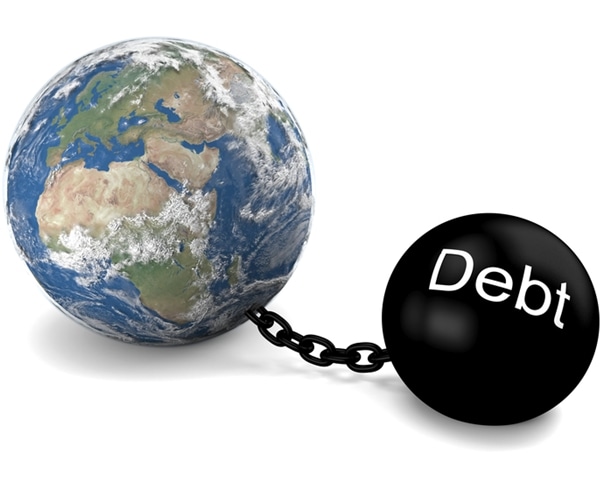
Risk Management and Portfolio Optimization During Debt-Driven Market Volatility
In the wake of the Global Debt Crisis 2026, one thing becomes abundantly clear: risk management is no longer optional — it is essential. Investors are no longer dealing with predictable market cycles alone; they face heightened volatility, unpredictable interest rate movements, and debt-related systemic shocks. Without a disciplined approach to portfolio optimization and risk mitigation, even well-diversified portfolios can suffer significant setbacks.
This section dives deep into practical techniques to protect capital, maximize risk-adjusted returns, and navigate uncertainty, integrating key principles of Debt Management Finance and Economic Uncertainty Investing.
1. Understanding Market Volatility in a High-Debt Environment
Market volatility in 2026 is amplified by several factors:
- Sovereign Debt Pressures: Countries with elevated debt-to-GDP ratios face higher borrowing costs, increasing the likelihood of market sell-offs.
- Rising Interest Rates: Central banks are adjusting rates to curb inflation, impacting bond prices, equity valuations, and borrowing costs.
- Currency Fluctuations: Heavy government debt can weaken national currencies, affecting international investments.
- Investor Sentiment: Uncertainty and fear of defaults drive short-term market swings, often disconnected from fundamentals.
Investors must recognize that volatility isn’t just “noise” — it is a structural feature of debt-driven markets, demanding adaptive strategies.
2. Diversified Asset Allocation: The Foundation of Risk Management
Diversification is the single most effective tool to mitigate risk in volatile, debt-laden markets. By allocating capital across different asset classes, sectors, and geographies, investors reduce the potential impact of a crisis in any single area.
Recommended Approach:
- Fixed Income: High-quality government and corporate bonds to stabilize returns.
- Equities: Global stocks across multiple sectors, with an emphasis on tech, healthcare, and consumer staples.
- Real Assets: Gold, commodities, and real estate as hedges against inflation and currency depreciation.
- Alternative Investments: Private credit, high-yield bonds, and hedge funds for enhanced yield.
Diversification isn’t just about quantity; it’s about balancing risk types — credit, market, liquidity, and geopolitical risk — to create a resilient portfolio.
3. Dynamic Rebalancing: Adapting to Shifting Conditions
In a high-debt environment, market conditions can change rapidly. Investors must adopt dynamic rebalancing strategies to maintain optimal portfolio risk and return characteristics.
Steps to Implement Dynamic Rebalancing:
- Set Target Allocations: Define ideal weightings for equities, bonds, real assets, and alternatives.
- Regular Review: Assess portfolio performance quarterly or semi-annually.
- Adjust for Market Shifts: If equities surge while bonds lag, trim equity exposure and reallocate to safer assets.
- Factor in Macroeconomic Indicators: Monitor debt levels, interest rates, inflation, and central bank policies to anticipate risk changes.
Dynamic rebalancing ensures that portfolios remain aligned with investment goals even as debt-related volatility reshapes markets.
4. Hedging Strategies: Protecting Against Extreme Losses
Hedging allows investors to limit downside risk without sacrificing the opportunity for growth. Especially during the Global Debt Crisis 2026, effective hedges are crucial.
Common Hedging Tools:
- Options & Protective Puts: Safeguard equity positions against sudden declines.
- Inverse ETFs: Provide short exposure to declining markets.
- Currency Hedging: Protects international investments from exchange rate volatility.
Investor Tip:
Hedging should be strategically applied — too much hedging can limit returns, while too little leaves portfolios exposed. The goal is to mitigate catastrophic losses while maintaining upside potential.
5. Stress Testing and Scenario Analysis
Investors today must embrace proactive stress testing, simulating portfolio performance under extreme conditions, such as:
- Government bond defaults in high-debt countries
- Sharp interest rate hikes
- Currency collapses or sudden inflation spikes
- Equity market corrections exceeding 20%
Benefits of Stress Testing:
- Identifies vulnerabilities before losses occur
- Guides asset allocation adjustments
- Enhances investor confidence by quantifying potential outcomes
Integrating stress testing into Debt Management Finance practices transforms uncertainty into actionable intelligence.
6. Cash Reserves and Liquidity Management
Cash is often undervalued as a strategic tool. In a volatile, debt-heavy environment, liquidity provides:
- Flexibility: Ability to seize investment opportunities during market dips.
- Safety: Protection from forced asset sales in downturns.
- Risk Management: Cushion against unexpected expenses or margin calls.
A prudent allocation — typically 5-10% of the portfolio in cash or cash-equivalents — allows investors to maintain control in uncertain times.
7. Integrating Risk Management into Investment Strategy
The most successful investors don’t treat risk management as separate from growth strategies; they integrate it seamlessly. Combining the insights from Subtopic 2 (high-return strategies) with robust risk controls ensures that portfolios can:
- Capture opportunities in growth sectors like technology and innovation
- Preserve capital through defensive income and real asset allocations
- Adapt dynamically through rebalancing and hedging
- Respond confidently to market volatility driven by debt pressures
This integrated approach represents the essence of Top Risk-Mitigation Investment Tips for a Heavy Government Debt Environment.
Optimized Portfolios Thrive Amid Uncertainty
The Global Debt Crisis 2026 has changed the rules of investing. Market volatility is no longer occasional — it is a constant factor. Investors who succeed will be those who:
- Understand the debt-driven risks impacting global markets
- Diversify across multiple asset classes and geographies
- Rebalance portfolios dynamically in response to macroeconomic shifts
- Hedge strategically to protect against extreme outcomes
- Maintain liquidity to act opportunistically
By following these portfolio optimization and risk management principles, investors can transform the challenges of 2026 into opportunities, thriving even in a debt-heavy, unpredictable world.
Conclusion: Thrive – Don’t Just Survive
The Global Debt Crisis 2026 is both a challenge and a transitional force in investing. As debt burdens rise and economic uncertainty becomes part of the landscape, thoughtful, disciplined strategies are essential.
You don’t need to panic — but you do need to be prepared.
By integrating high‑quality diversification, real asset hedging, disciplined risk management, and innovative growth tactics, you can navigate uncertainty while positioning for profitable long‑term growth.
Whether you’re a seasoned investor or building your first portfolio, the strategies outlined here provide a pragmatic, research‑backed framework tuned to the realities of 2026 and beyond.
For more information on global depth pressure visit:
- For insights into rising global debt pressures and future forecasts, see the OECD Global Debt Report 2026. (OECD Events)
For more information on the breakdown of themes, read more from:
For a breakdown of themes in emerging market debt and their investment implications, explore Capital Group’s fixed income outlook. (CapitalGroup NACG)