
Inflation can feel like a silent thief — quietly eroding the purchasing power of your hard‑earned savings. Especially in Europe 2026, where inflation remains top of mind for savers and investors alike, many are asking how to protect savings from inflation in Europe 2026 and preserve their wealth for the long run.
This guide will walk you through inflation hedges European savers can use in 2026 to secure wealth safely. We’ll break down proven strategies, explain how they work, and help you build a diversified approach. By the end of this article, you’ll know the best investments Europe offers today to stay ahead of inflation and grow your financial future.
What Is Inflation and Why It Matters for Savers
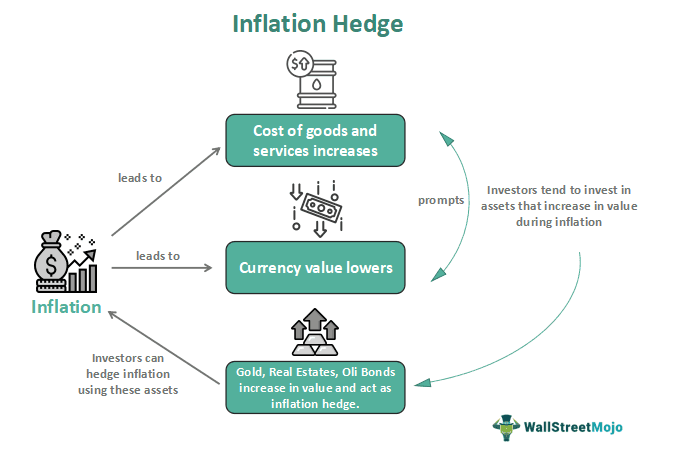
Inflation is the rate at which the general level of prices for goods and services rises, diminishing the purchasing power of money over time. When inflation outpaces the interest you earn on savings accounts or bonds, your real wealth can shrink — even if your account balance grows nominally.
In Europe 2026, with many central banks still navigating inflation targets, finding inflation hedges Europe investors trust is more important than ever. Savers are increasingly asking how to shelter their savings from inflation without exposing themselves to unnecessary risk.
How Inflation Hedging Works
At its core, inflation hedging involves investing in assets that either:
- rise in value as inflation rises,
- or maintain purchasing power better than cash.
This can include real assets (like property or commodities), equities with pricing power, or financial instruments explicitly linked to inflation.
The key goal? Protect wealth from inflation by making sure the real (inflation‑adjusted) value of your portfolio doesn’t erode over time.

8 Powerful Inflation Hedges Europe Savers Can Use in 2026
Here are proven strategies — ranging from conservative to more growth‑oriented — that European savers can consider in 2026.
1. Inflation‑Indexed Government Bonds
Why it works:
Inflation‑linked bonds adjust both principal and interest payments to match inflation, helping preserve purchasing power.
Examples:
- Eurozone inflation‑linked government bonds — available individually or through ETFs like the iShares € Inflation Linked Govt Bond UCITS ETF (IBCI), which aims to track inflation‑linked bond performance across eurozone countries.
- French OATei and German Bund€i inflation‑indexed bonds offer inflation protection tied to consumer price indices.
Benefits:
- Direct link to inflation
- Less volatility than equities
- Government backing
Considerations:
- Interest rate movements can affect price
- Real yields may be relatively low compared to equities
2. Dividend‑Paying European Stocks
Why it works:
Equities, especially those in sectors with pricing power (like consumer staples or utilities), can outpace inflation by growing earnings and dividends over time. Studies show that stocks often beat inflation in the long run because companies can raise prices as costs rise.
Best bets:
- Large, established European dividend aristocrats
- Defensive sectors with stable demand
Benefits:
- Potential income + growth
- Opportunity to compound returns
Considerations:
- Market volatility
- Sector/country risk
3. Real Estate and REITs
Real estate often rises with inflation as property values and rental incomes adjust upward. For investors who prefer liquidity over direct ownership, Real Estate Investment Trusts (REITs) offer exposure to income‑producing property without the hassles of being a landlord.
Benefits:
- Tangible asset with income potential
- A cushion against inflation
Considerations:
- Interest rate sensitivity
- Market/rental demand risk
4. Commodities and Precious Metals
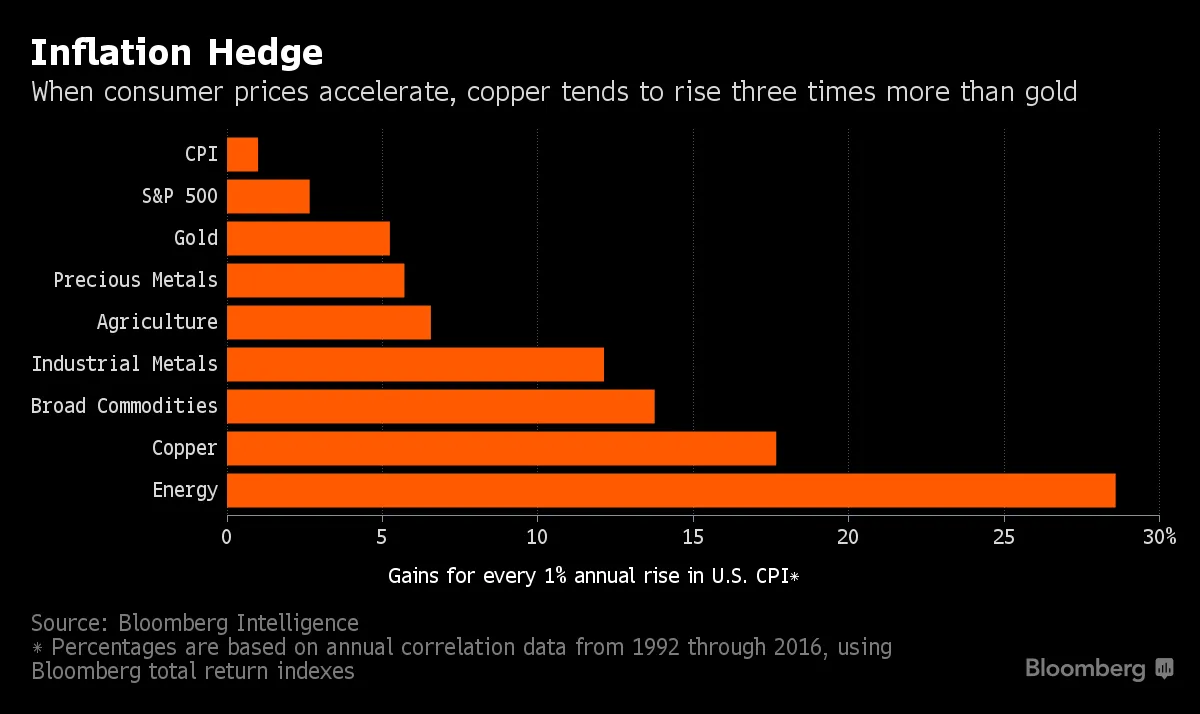
Commodities such as oil, industrial metals, and agricultural products tend to increase in price during inflationary periods because production costs rise. Precious metals like gold and silver have long been seen as stores of value with low correlation to traditional markets.
Benefits:
- Hard assets can preserve value
- Diversifies broader portfolio
Considerations:
- No income unless held via producing assets
- Price volatility
5. Short‑Term Cash Alternatives
Keeping some wealth in higher‑yielding cash equivalents like money market funds or short‑term deposits can protect against near‑term inflation while maintaining liquidity. These won’t “beat” inflation as dramatically as growth assets but help prevent loss.
Benefits:
- Highly liquid
- Lower risk
Considerations:
- May not fully keep pace with inflation
6. Diversified Bond & Multi‑Asset ETFs
For savers who want one‑stop solutions, diversified ETFs can blend inflation‑linked bonds, corporate bonds, and equities. These instruments spread risk while aiming to preserve real value.
Benefits:
- Built‑in diversification
- Professional management
Considerations:
- Expense ratios may erode returns
- Exposure to broader market risk
7. Alternative Assets & Digital Inflation Hedges
Alternative assets such as infrastructure, private equity, or even select digital asset exposure (like Bitcoin as “digital gold”) are gaining traction as inflation hedges. While still evolving, these can add diversification and asymmetric growth potential.
Benefits:
- Potential outsized returns
- Diversification beyond traditional markets
Considerations:
- Higher risk and complexity
8. Geographic and Currency Diversification
Holding assets denominated in stronger or more stable foreign currencies can help protect against localized inflationary pressures. This strategy reduces the risk tied to one economy or currency while spreading inflation exposure across markets. (Holistique Training)
Benefits:
- Reduces concentrated currency risk
- Access to global growth
Considerations:
- Currency volatility
- Tax implications
Side‑by‑Side Comparison: Key Inflation Hedges in Europe
| Hedge Type | Inflation Protection | Risk Level | Liquidity | Income Potential |
|---|---|---|---|---|
| Inflation‑linked bonds | High | Low‑Med | High | Low‑Med |
| Dividend stocks | Med‑High | Medium | High | High |
| Real estate/REITs | Med‑High | Medium | Medium | High |
| Commodities/metals | High | High | High | Low |
| Cash alternatives | Low | Low | High | Low |
| Diversified ETFs | Medium‑High | Medium | High | Medium |
| Alternative assets | Varies | High | Low | Varies |
| Currency/Geo diversification | Med | Medium | High | Varies |
Crafting Your 2026 Inflation Strategy
Now that you understand the tools available, here’s how to think about drawing them together:
- Start with your risk tolerance:
Determine how much volatility you can handle without losing sleep. - Diversify across asset classes:
Don’t rely on one inflation hedge — mix bonds, equities, and real assets. - Match time horizon with investments:
Long‑term investors can emphasize equities and real estate; short‑term savers may prefer bonds and cash alternatives. - Rebalance regularly:
Markets change — your allocation should too. - Stay informed:
Monitor inflation data and central bank policy, adjusting as needed.

European Inflation‑Linked Bonds 2026: A Safe Haven for Savers
For European investors seeking inflation hedges Europe, European inflation-linked bonds 2026 offer one of the most secure ways to protect wealth from inflation. These bonds, often referred to as “linkers,” are government-backed instruments designed to adjust principal and interest payments according to inflation, making them a reliable choice for European savers looking to safeguard wealth.
How European Inflation-Linked Bonds Protect Wealth
Unlike traditional bonds, inflation-linked bonds Europe are tied directly to consumer price indices. This means:
- If inflation rises, both the principal and interest increase, helping European savers maintain purchasing power.
- They act as a core tool in any guide to inflation hedging for European investors 2026, offering low-risk exposure that keeps pace with rising prices.
By investing in European inflation-linked bonds, investors can secure their savings while benefiting from predictable returns, which are essential for a robust inflation hedges Europe strategy.
Why Savers Should Consider European Inflation-Linked Bonds in 2026
- Preserve Real Value
Rising prices erode cash and traditional savings accounts. European inflation-linked bonds 2026 ensure that wealth protection against inflation is built into your portfolio. - Government-Backed Security
Bonds issued by Germany, France, and Italy carry strong government backing, making them safer inflation hedges Europe investors can rely on. - Steady Income Stream
Regular coupon payments, adjusted for inflation, provide a reliable and growing income, making these bonds an essential component of best investments Europe 2026. - Diversification Tool
Including inflation-linked bonds Europe in a portfolio alongside dividend stocks and real estate strengthens a comprehensive inflation protection strategy 2026.
Top Ways to Access European Inflation-Linked Bonds
- Direct Government Bonds: Purchase individual linkers like German Bund€i or French OATei for targeted exposure.
- Inflation-Linked ETFs: Funds such as iShares € Inflation Linked Govt Bond UCITS ETF provide diversified access to multiple European bonds, making inflation hedges Europe easier for retail investors.
2026 Outlook for European Inflation-Linked Bonds
In 2026, inflation remains a critical consideration for European savers. European inflation-linked bonds continue to serve as a cornerstone of any effective inflation hedges Europe strategy, combining security, predictability, and inflation protection. Savers who integrate European inflation-linked bonds 2026 into their portfolios are better positioned to protect wealth from inflation while maintaining financial stability.
Key Takeaway:
European inflation-linked bonds 2026 are a fundamental part of inflation hedges Europe, offering government-backed security, predictable income, and real wealth protection. They should be a central consideration in any guide to inflation hedging for European investors 2026, helping European savers navigate inflation and preserve purchasing power effectively.
Dividend Stocks That Protect Against Inflation Europe: Growing Wealth While Staying Safe
When it comes to inflation hedges Europe, dividend stocks are among the most effective tools for European investors seeking both growth and income. Dividend stocks that protect against inflation Europe offer the unique combination of regular income and potential capital appreciation, making them a cornerstone in any guide to inflation hedging for European investors 2026.
Why Dividend Stocks Are Powerful Inflation Hedges in Europe
- Growing Dividends Keep Pace with Inflation
Many European companies increase dividends annually, allowing investors to protect wealth from inflation while receiving a steady income. Choosing dividend stocks that protect against inflation Europe ensures that your cash flow grows alongside rising prices. - Long-Term Capital Appreciation
High-quality dividend-paying companies can outperform inflation over time. Investing in dividend stocks Europe 2026 provides both portfolio growth and inflation protection, making them a reliable option for European savers. - Stability During Market Volatility
Defensive sectors such as utilities, healthcare, and consumer staples often maintain consistent dividends even during economic uncertainty. These inflation hedges Europe stocks help savers maintain purchasing power despite market fluctuations.
Top Dividend Stocks for Inflation Protection in Europe
- European Dividend Aristocrats: Companies with a strong history of dividend growth provide reliable inflation hedging Europe strategies.
- Defensive Sectors: Utilities, healthcare, and consumer staples companies continue to pay dividends and adjust to inflation, offering stable income.
- Dividend ETFs: For diversified exposure, consider European dividend ETFs that include multiple dividend stocks that protect against inflation Europe.
How to Maximize Benefits from Dividend Stocks
- Reinvest Dividends: Compounding dividends boosts your portfolio’s real value and strengthens inflation hedges Europe effectiveness.
- Focus on Quality Companies: Invest in firms with strong balance sheets and consistent profit growth, ensuring your inflation protection Europe strategy remains robust.
- Diversify Across Countries and Sectors: Combining dividend stocks across Europe reduces local economic risks and enhances inflation hedging Europe.
- Pair With Other Inflation Hedges: Combine dividend stocks Europe with inflation-linked bonds and real estate for a multi-layered 2026 inflation strategy.
2026 Outlook for Dividend Stocks in Europe
In 2026, dividend stocks remain one of the strongest inflation hedges Europe investors can use. By focusing on high-quality dividend-paying companies and ETFs, European savers can protect wealth from inflation, grow income streams, and maintain purchasing power. Dividend stocks that protect against inflation Europe are not just an investment — they are an essential component of any guide to inflation hedging for European investors 2026.
Real Estate as Inflation Hedge Europe 2026: Tangible Wealth That Grows with Prices
For many European savers, real estate remains one of the most tangible and effective inflation hedges. Unlike cash, whose value diminishes during inflationary periods, property values and rental income often rise along with prices, making real estate a reliable way to protect wealth from inflation.
Why Real Estate Protects Wealth Against Inflation
- Rising Property Values
In Europe, real estate historically keeps pace with inflation over the long term. As construction costs and demand increase, property prices tend to rise, preserving the real value of your investment. - Inflation-Adjusted Rental Income
Rental agreements in many countries allow for periodic adjustments to reflect inflation. This ensures that your income stream grows alongside rising costs, effectively acting as a natural inflation hedge. - Tangible Asset Security
Unlike stocks or bonds, real estate is a physical asset. It offers a psychological sense of security while also diversifying your portfolio.
Ways to Invest in European Real Estate in 2026
Investors can approach real estate investment in Europe in several ways, depending on their capital, risk tolerance, and desired involvement:
- Direct Property Ownership
Buying residential or commercial property provides direct exposure to capital appreciation and rental income. Cities with high demand, such as Berlin, Amsterdam, and Paris, are particularly attractive for long-term growth. - Real Estate Investment Trusts (REITs)
REITs offer exposure to a diversified portfolio of income-producing properties without the need to manage them personally. Examples include:- iShares European Property Yield UCITS ETF – a professionally managed fund with diversified exposure.
- Real Estate Crowdfunding Platforms
Emerging platforms in Europe allow small investors to pool funds into larger property projects, gaining access to commercial real estate returns with smaller capital.
Benefits of Using Real Estate as an Inflation Hedge
- Dual Income Potential: Earn both rental income and capital appreciation.
- Long-Term Stability: Property historically maintains value better than cash or low-yield bonds in inflationary periods.
- Diversification: Adds a tangible, non-financial asset to your investment portfolio.
Considerations for 2026 Investors
While real estate is a strong inflation hedge, it’s essential to understand the risks:
- Liquidity Constraints: Unlike stocks, selling property takes time, which can limit access to cash in emergencies.
- Market Cycles: Property values fluctuate; timing and location are crucial.
- Maintenance Costs: Owning real estate comes with management, repair, and taxation costs that must be factored into returns.
2026 Outlook for Real Estate in Europe
In 2026, European real estate remains a solid inflation hedge. Urban rental markets are robust, and property prices in key European cities continue to rise. Investors who focus on prime locations, rental income potential, and REIT diversification can effectively maintain and grow their wealth even as inflation pressures persist.
Key Takeaway:
Real estate as an inflation hedge Europe 2026 provides savers with a tangible, long-term way to preserve and grow wealth. Whether through direct property ownership, REITs, or crowdfunding platforms, real estate offers both inflation-adjusted income and capital appreciation, making it a cornerstone in any European inflation protection strategy.

Best Multi-Asset ETFs for Inflation Europe: Diversify and Protect Your Wealth in 2026
For European savers who want broad inflation protection without picking individual stocks or bonds, multi-asset ETFs are an excellent solution. These ETFs combine equities, bonds, and sometimes commodities in a single fund, offering diversification, professional management, and inflation resilience.
Why Multi-Asset ETFs Work as an Inflation Hedge
- Built-In Diversification
Multi-asset ETFs spread your investment across different asset classes and countries, reducing reliance on any single market. This helps smooth out volatility and preserve wealth in inflationary periods. - Inflation-Adjusted Components
Many ETFs include inflation-linked bonds, dividend-paying stocks, and real asset exposure, making them inherently better positioned to protect wealth from inflation. - Professional Management
Fund managers adjust allocations based on market conditions and inflation trends, saving investors from the stress of constant portfolio monitoring.
Top Multi-Asset ETFs to Consider in Europe in 2026
Here are some popular multi-asset ETFs designed to hedge against inflation:
- iShares Diversified Multi-Asset UCITS ETF – Combines European equities, bonds, and commodities for balanced growth.
- Xtrackers ESG Multi-Asset ETF – Focuses on sustainable European companies alongside inflation-linked bonds.
- Lyxor Multi-Asset Inflation-Linked UCITS ETF – Specifically targets inflation-protected fixed income and equity exposure.
For a more comprehensive list and professional insights, you can explore Morningstar Europe ETF data to find ETFs that match your risk profile and inflation hedging goals.
Benefits of Using Multi-Asset ETFs for Inflation Protection
- One-Stop Solution – Gain exposure to multiple asset classes with a single investment.
- Reduced Risk – Diversification helps mitigate losses from any single asset type.
- Flexibility – ETFs are traded on stock exchanges, allowing easy entry and exit.
- Cost-Effective – Compared to building your own diversified portfolio, ETFs often have lower management fees.
Tips for 2026 Investors
- Check the Inflation Exposure – Look for ETFs with a substantial allocation to inflation-linked bonds and dividend-paying equities.
- Review Geographic Allocation – European-focused ETFs may include global components; ensure the mix aligns with your inflation strategy.
- Monitor Expense Ratios – Lower fees improve long-term performance, especially in moderate-return environments.
- Combine With Other Hedges – Pair ETFs with direct real estate or commodities exposure for robust, multi-layered inflation protection.
2026 Outlook for Multi-Asset ETFs in Europe
In 2026, inflation remains a key concern for European savers. Multi-asset ETFs provide a flexible and diversified tool to address this challenge. With built-in inflation-sensitive assets and professional management, these ETFs are a practical choice for both new and experienced investors who want to safeguard their wealth and enjoy long-term growth.
Key Takeaway:
Best multi-asset ETFs for inflation Europe allow investors to diversify, reduce risk, and protect wealth in a single, easy-to-manage investment. By carefully selecting ETFs that include equities, inflation-linked bonds, and commodities, European savers can build a resilient portfolio to navigate inflation pressures in 2026 and beyond.
Commodities and Precious Metals: Tangible Inflation Hedges Europe 2026
For European savers looking for a tangible way to protect wealth from inflation, commodities and precious metals like gold, silver, and industrial metals offer a time-tested solution. These assets have historically maintained value even during periods of high inflation, making them reliable hedges for 2026 and beyond.
Why Commodities and Precious Metals Work
- Intrinsic Value
Metals like gold and silver hold intrinsic value independent of currencies. When inflation erodes cash, these assets typically retain or increase purchasing power. - Low Correlation to Stocks and Bonds
Commodities often move differently than traditional financial markets. This makes them excellent portfolio diversifiers that reduce overall risk. - Global Demand Support
Industrial metals such as copper, nickel, and lithium are critical in manufacturing and technology. Rising global demand can push prices higher, providing a hedge against inflation in Europe.
How to Invest in Commodities in 2026
- Physical Metals
Buying gold or silver bullion provides direct exposure. Ensure safe storage and insurance to protect your investment. - ETFs and Funds
Exchange-traded funds like the SPDR Gold Shares ETF or commodity-focused ETFs allow you to invest without holding physical metals, offering liquidity and ease of trading. - Commodity Futures
Advanced investors can use futures contracts to hedge against inflation, though this requires understanding leverage and market risks.
Benefits of Commodities as Inflation Hedges
- Preserve Purchasing Power – Physical metals and commodities often rise with inflation.
- Portfolio Diversification – Adds a layer of protection separate from stocks, bonds, and real estate.
- Global Liquidity – Most precious metals are highly liquid and easy to sell in Europe and internationally.
Considerations for 2026 Investors
- Volatility – Commodity prices can fluctuate due to geopolitical and market events.
- No Regular Income – Unlike dividend stocks or rental property, most commodities do not produce ongoing cash flow.
- Storage & Management Costs – Physical metals require secure storage and insurance.
2026 Outlook for Commodities and Precious Metals in Europe
With moderate inflation expectations and geopolitical uncertainty, 2026 is expected to remain favorable for commodities and precious metals as wealth-preserving instruments. Savers combining these assets with bonds, dividend stocks, and ETFs can create a multi-layered inflation protection strategy.
Key Takeaway:
Commodities and precious metals remain one of the most reliable inflation hedges in Europe for 2026. When combined with other inflation-protection strategies, they help savers preserve purchasing power, diversify portfolios, and maintain wealth in uncertain economic times.
Conclusion: Safeguard Your Savings with Inflation Hedges Europe in 2026
Protecting your wealth in 2026 requires a strategic approach, and understanding inflation hedges Europe offers is essential for every saver and investor. By incorporating a mix of inflation-linked bonds, dividend stocks, real estate, commodities, and multi-asset ETFs, European investors can effectively protect wealth from inflation and ensure that savings grow in real terms.
Whether you are considering how to protect savings from inflation in Europe 2026 or exploring the best inflation-proof investments Europe bonds and stocks provide, the key is diversification and careful planning. Each strategy we’ve outlined — from government-backed linkers to dividend-paying equities and tangible real estate — plays a vital role in constructing a robust inflation hedges Europe portfolio.
European savers who implement these approaches, combining guide to inflation hedging for European investors 2026 insights with practical steps, will be well-positioned to secure wealth safely despite rising prices. Dividend stocks and bonds that beat inflation in Europe, paired with alternative assets and geographic diversification, further enhance protection.
In short, inflation hedges Europe are not just theoretical tools; they are actionable strategies that empower savers to maintain purchasing power, grow their wealth, and confidently navigate 2026’s economic landscape. Start building your inflation hedges Europe strategy today, and turn uncertainty into financial security for the years ahead.
- iShares € Inflation Linked Govt Bond UCITS ETF (ETF with inflation protection) — https://www.ishares.com/ch/professionals/en/products/251739/ishares-euro-inflation-linked-government-bond-ucits-etf (BlackRock)
- Context on real assets and inflation hedges like commodities and real estate — https://crystalballmarkets.com/blog/inflation-and-deflation-hedging-preparing-for-2026-and-beyond (crystalballmarkets.com)