Why Middle East Conflict Finance Matters Now
The world’s economy is intricately tied to geopolitical stability — and nowhere is that relationship clearer than in the current escalation of conflict in the Middle East. From soaring oil prices to stock market volatility, inflation from oil shock, and currency market turbulence, this complex situation is reshaping global financial landscapes in real‑time. Understanding Middle East conflict finance is no longer just academic — it’s becoming essential for investors, policymakers, and everyday consumers alike.

Geopolitical Risk and Market Reactions: How Middle East Conflict Finance Shapes Global Markets
When discussing Middle East conflict finance, one of the most immediate and visible impacts is on global markets. Investors, policymakers, and everyday consumers watch closely because geopolitical tensions don’t just affect headlines — they directly influence stock prices, bond yields, and risk appetite worldwide.
1. Stock Market Volatility: The Immediate Response
Stock markets are notoriously sensitive to uncertainty, and conflict in the Middle East is no exception. Here’s how it typically unfolds:
- Rapid Sell-offs in Risk Assets:
Equity indices, particularly in sectors like airlines, tourism, and consumer discretionary, often experience sharp declines. Investors anticipate higher costs and supply chain disruptions, prompting them to reduce exposure. - Sector Rotation Toward Energy Stocks:
Oil and energy companies often see relative gains as oil prices surge due to potential supply disruptions. This creates opportunities for savvy investors to hedge against inflation from oil shock. - Investor Sentiment Shifts:
Fear of prolonged conflict can trigger broader risk aversion, leading to a “flight-to-quality” where capital flows into safer investments like government bonds and precious metals.
Example: During the 2026 escalation in the Gulf, global stock futures experienced heightened volatility, while energy sector ETFs rose steadily, reflecting investor anticipation of supply shortages.
2. Bond Market Reaction: Inflation and Yields
Bonds react differently than stocks, but the connection is equally crucial:
- Government Bonds as Safe Havens:
U.S. Treasury bonds and other sovereign debt instruments often benefit from geopolitical risk. Investors seeking safety drive prices up and yields down temporarily. - Inflation Expectations and Long-Term Yields:
If the conflict pushes oil prices higher, inflation may rise globally. Central banks respond by adjusting interest rate expectations, which in turn impacts long-term bond yields.
This dual effect — flight to safety in the short term and inflation pressure in the medium term — is a classic example of how Middle East conflict finance manifests in the debt markets.
3. Flight-to-Safety Trends: Gold, Currencies, and Alternative Assets
When markets are jittery, traditional safe havens see renewed attention:
- Gold and Precious Metals:
Gold typically rises as a hedge against uncertainty and inflation. Investors often move funds from riskier assets into gold-backed ETFs. - Currency Movements:
The U.S. dollar often strengthens during conflict due to its global reserve status, while emerging market currencies may weaken. Oil-linked currencies in the Gulf region can experience heightened volatility, reflecting both market fears and actual changes in export revenue. - Alternative Investments:
Energy stocks, commodity futures, and inflation-protected securities become attractive tools for mitigating risks associated with the conflict.
Key Takeaway
Understanding Middle East conflict finance means recognizing how markets react to geopolitical tension in real time:
- Stock markets often experience rapid declines in risk sectors, while energy stocks can gain.
- Bonds act as short-term safe havens, but inflation risk can alter long-term yields.
- Safe-haven assets like gold and the U.S. dollar gain prominence during uncertainty.
By monitoring these market reactions, investors and policymakers can anticipate shifts, hedge risks, and capitalize on strategic opportunities — making geopolitical awareness a core component of financial decision-making in 2026 and beyond.
In this article, we’ll unpack 10 powerful insights that help explain:
- How the Middle East war affects global stocks and bonds,
- Why the global oil price impact is so severe,
- How energy markets influence inflation and currency valuations,
- and what this all means for the 2026–2027 economic outlook.
Let’s dive in.
1. A Quick Primer on Middle East Conflict Finance
Before we delve into specifics, it’s important to understand the financial ecosystem that connects geopolitics and markets:
- The Middle East accounts for roughly 30% of global oil production, and around 20% of seaborne oil trade transits the critical Strait of Hormuz.
- Conflict in this region instantly reverberates through commodity markets, equity indexes, and foreign exchange.
- Even the expectation of supply disruption can trigger price swings long before actual shortages occur.
This interconnectedness means that geopolitical risk is translated into financial risk — and today’s markets are pricing that risk more aggressively than they have in years.
2. Insight #1: Global Oil Price Impact — Why Supply Shock Could Be Deep
One of the most immediate financial consequences of the Middle East conflict is its impact on oil markets:
- Oil prices have jumped sharply amid fears that supply routes like the Strait of Hormuz could be closed or disrupted.
- Brent crude briefly traded above $80 per barrel, with analysts warning of further spikes if disruption persists.
- Historical scenarios suggest that a serious supply disruption could lead to prices exceeding $100 per barrel.
Because oil is a major input into everything from transportation to manufacturing, these price shifts have wide‑ranging economic consequences.
3. Insight #2: Inflation From Oil Shock — The Hidden Tax on Global Economies
When oil prices rise, the cost doesn’t stay confined to pumps:
- Higher energy costs feed into transportation, production, and goods prices, often driving broader inflation.
- The World Bank has warned that a serious oil shock could stall global progress on reducing inflation.
- Central banks may delay interest rate cuts or even tighten monetary policy in response.
In other words, inflation from an oil shock isn’t only about energy — it’s about everyday products we buy and services we use.
4. Insight #3: Stock Market War Reaction — Flight to Safety
Stock markets don’t like uncertainty — and the current Middle East conflict has investors rebalancing portfolios:
- Equities have generally retreated, especially in sectors like airlines and travel.
- Defensive assets like gold and government bonds have gained as investors seek safe havens.
- Energy stocks, in contrast, tend to perform relatively better during supply risk scenarios.
This risk‑off behavior reflects fear of prolonged conflict and economic slowdown.
5. Insight #4: How Middle East War Affects Global Stocks and Bonds
Stocks and bonds react differently to geopolitical stress, but both feel the impact:
- Stock prices fall when companies face higher costs and slower growth.
- Bond yields can fluctuate as inflation expectations rise, which may pressure long‑term interest rates.
For example, U.S. Treasury yields and stock futures have seen heightened volatility as the conflict escalates.
6. Insight #5: Currency Market Volatility Due to Middle East Geopolitical Crisis
Currency markets are also sensitive to inflation, interest rates, and risk sentiment:
- The U.S. dollar often strengthens as a haven during geopolitical risk.
- Emerging market currencies can weaken as investors seek stability.
- Oil‑linked currencies (e.g., Gulf region currencies) also fluctuate with global oil price movements.
This volatility can have real effects — from import/export costs to individual purchasing power.
7. Insight #6: The 2026–2027 Economic Outlook Amid Energy Shock
Looking ahead, analysts have offered a range of scenarios:
| Scenario | Expected Oil Price Range | Economic Impact |
|---|---|---|
| Mild Disruption | $80–$95 per barrel | Moderate inflation, manageable growth slowdown |
| Medium Disruption | $100–$120/barrel | Higher inflation, broader market volatility |
| Severe Disruption | $140+/barrel | Deep economic pain, global recession risk |
Source: World Bank risk scenario models (World Bank)
This table illustrates how increasing levels of supply shock could cascade into broader financial stress.
8. Insight #7: Energy Infrastructure and Strategic Reserves
Today’s global economy has safeguards that didn’t exist in past oil shocks:
- Strategic petroleum reserves are used to cushion short‑term supply disruptions.
- Governments and energy producers have diversified sources and storage.
But those buffers have limits — especially if geopolitical conflict persists or intensifies.
9. Insight #8: Ripple Effects on Global Commodity Markets
It isn’t only oil that’s affected:
- Natural gas, metals, and agricultural commodities can also see price shifts because energy costs feed into production costs.
- Food prices may rise as transportation and fertilizer costs increase.
- Metals used in manufacturing can see volatility tied to risk sentiment.
The interconnected nature of commodity markets means ripple effects often spread far beyond the initial shock.
10. Insight #9: Policy Responses and Central Bank Challenges
Central banks face a difficult balancing act:
- Fighting inflation from higher energy costs while supporting economic growth.
- Determining whether inflation pressure is temporary or structural.
- Adjusting monetary policy without triggering a recession.
Some analysts argue that central banks may hold off on rate cuts longer due to persistent inflation fears tied to energy prices.
11. Insight #10: Long‑Term Shifts in Investor Strategy
Finally, prolonged geopolitical risk can shape investment behavior:
- Increased allocation to safe‑haven assets (gold, currencies, short‑term Treasuries).
- More interest in energy stocks and commodities as inflation hedges.
- Greater use of hedging strategies to manage volatility.
These shifts can reshape portfolios for months or even years.

Oil Prices, Inflation, and Economic Implications: Unpacking Middle East Conflict Finance
When it comes to Middle East conflict finance, one of the most direct and tangible effects is on global oil prices. Because the region is a central hub for crude oil production and export, even small disruptions can ripple across the world, influencing inflation, consumer prices, and economic growth. Understanding this chain of impact is essential for investors, businesses, and policymakers.
1. Global Oil Price Impact: The Domino Effect
Oil is the lifeblood of modern economies, powering transportation, manufacturing, and utilities. A conflict in the Middle East can trigger a rapid rise in prices due to:
- Supply Disruption Fears:
Critical chokepoints like the Strait of Hormuz carry nearly 20% of global seaborne oil trade. Any threat to shipping or production can spike prices immediately. - Market Speculation:
Even the anticipation of conflict leads traders to bid up futures, magnifying volatility before any physical disruption occurs. - Historical Precedents:
Past crises have shown that oil prices can surge by 30–50% within months, affecting everything from airline ticket costs to manufacturing input prices.
Example: In early 2026, escalating tensions in the Gulf led to Brent crude surging past $80 per barrel, with analysts warning that continued conflict could push prices above $100.
2. Inflation from Oil Shock: The Hidden Economic Tax
Rising oil prices don’t just hit the pump — they increase costs across the economy:
- Transportation & Logistics:
Fuel cost hikes make shipping goods more expensive, which can raise prices on consumer products. - Manufacturing & Industrial Output:
Energy-intensive industries face higher production costs, often passing them to consumers. - Consumer Price Index (CPI) Implications:
Inflation from oil shock contributes directly to CPI growth, forcing central banks to reconsider monetary policy. - Global Ripple Effect:
Countries dependent on imported oil are particularly vulnerable. Emerging economies may experience double-digit inflation, squeezing households and businesses alike.
3. Oil Prices Inflation Impact from Middle East Conflict
The relationship between oil prices and inflation is not just linear — it’s compounded by several factors:
- Energy Price Pass-Through:
Higher fuel costs translate into higher costs for goods and services, creating a domino effect on overall prices. - Wage Pressure:
Inflation can trigger wage demands, which in turn feed into production costs and consumer prices. - Policy Responses:
Central banks may increase interest rates to counter inflation, affecting borrowing costs for businesses and consumers.
Insight: Economists argue that the 2026–2027 energy shock could sustain inflation pressures longer than previous crises, especially if the conflict is prolonged or spreads.
4. Broader Economic Implications
The impact of oil price shocks extends far beyond individual sectors:
- Consumer Spending:
Higher energy costs reduce disposable income, potentially slowing retail sales and economic growth. - Business Investment:
Companies may postpone expansion due to higher operating costs and market uncertainty. - Trade Balances:
Oil-importing nations may see widening trade deficits, while exporters might benefit from elevated revenues, depending on geopolitical alignments. - Investor Sentiment:
Equity markets often react negatively to inflation fears, while commodities and energy stocks may outperform.
5. Key Takeaways
Understanding oil and inflation dynamics is central to Middle East conflict finance:
- Global oil price impact is immediate and magnified by supply concerns and market speculation.
- Inflation from oil shock affects both consumers and businesses, influencing monetary policy decisions.
- Broader economic implications include reduced spending, investment slowdowns, and trade imbalances.
By connecting oil price fluctuations to inflation and economic activity, investors, policymakers, and businesses can anticipate risks, hedge exposure, and plan strategically.
Currency Fluctuations and Long-Term Financial Outlook: Navigating Middle East Conflict Finance
In addition to oil prices and stock market volatility, currency markets are significantly affected by Middle East conflict finance. Geopolitical crises create uncertainty that drives exchange rate swings, impacts international trade, and shapes the 2026–2027 economic outlook. Understanding these dynamics is essential for investors, multinational businesses, and policymakers.
1. Currency Market Volatility Due to Middle East Geopolitical Crisis
Conflict in the Middle East triggers fluctuations in currency markets for several reasons:
- Flight to Safety:
Investors often move funds into perceived safe-haven currencies, most notably the U.S. dollar. This increases the demand for dollars and can strengthen it relative to other currencies. - Emerging Market Exposure:
Economies that depend heavily on oil imports or are exposed to global trade may see their currencies weaken. Sudden depreciation can increase import costs and exacerbate inflation pressures. - Oil-Linked Currency Movements:
Gulf region currencies, which are closely tied to oil revenues, can experience volatility as markets adjust to fluctuating oil prices.
Example: During the early 2026 Gulf tensions, the UAE Dirham and Saudi Riyal showed subtle shifts tied to market speculation, while the U.S. dollar strengthened against emerging market currencies.
2. Long-Term Investor and Business Considerations
Currency volatility doesn’t just affect short-term traders — it has broader implications:
- Hedging Strategies:
Multinational companies and investors increasingly use forward contracts, options, and swaps to protect against currency risk. - Trade Balance Impacts:
Countries with large import bills face pressure on their trade balances when their currency weakens. Conversely, oil-exporting nations can benefit from stronger revenues in foreign currency terms. - Global Supply Chain Adjustments:
Exchange rate fluctuations influence pricing of imports and exports, potentially altering sourcing and market strategies for businesses.
3. The 2026–2027 Economic Outlook Amid Energy Shock
Looking ahead, analysts have outlined several scenarios for how ongoing Middle East conflict may shape global economies:
| Scenario | Key Drivers | Expected Market Outcome |
|---|---|---|
| Mild Conflict | Limited disruption in oil supply | Moderate currency volatility, stable inflation, manageable growth slowdown |
| Prolonged Conflict | Sustained oil supply risks | Higher inflation, volatile currency markets, cautious investor sentiment |
| Severe Escalation | Major geopolitical escalation | Severe currency swings, global recession risk, strategic reserve deployment |
This table underscores that Middle East conflict finance is not just a short-term phenomenon — it has long-term consequences for global financial stability.
4. Strategic Takeaways for Investors and Policymakers
Navigating currency and economic risks requires a multi-pronged approach:
- Diversify Portfolios: Include a mix of safe-haven currencies, commodities, and inflation-protected assets.
- Monitor Policy Responses: Keep an eye on central bank interventions, interest rate decisions, and geopolitical developments.
- Plan for Contingencies: Businesses should assess currency exposure and adjust contracts or sourcing strategies accordingly.
By incorporating these strategies, stakeholders can better withstand the turbulence caused by Middle East conflict finance while identifying opportunities arising from market volatility.
5. thoughts
Currency fluctuations and long-term financial planning are critical dimensions of Middle East conflict finance. The current geopolitical tensions in the Middle East are reshaping global markets, affecting exchange rates, investor behavior, and economic outlooks for 2026–2027.
By understanding these dynamics — from currency volatility to strategic economic planning — investors, businesses, and policymakers can anticipate risks, hedge effectively, and make informed decisions in a complex and interconnected global financial environment.
Absolutely! Let’s add one more subtopic to enrich your blog post. I suggest focusing on “Investor Strategies and Risk Management During Middle East Conflict” — it’s highly relevant, actionable, and ties naturally into Middle East conflict finance.
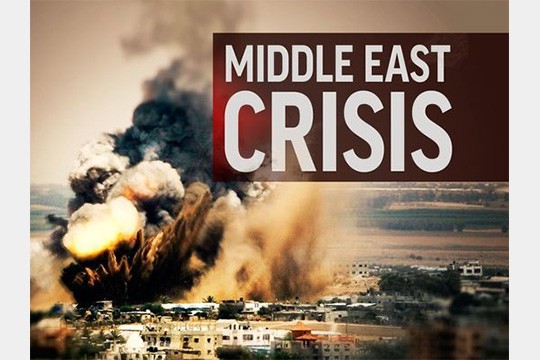
Investor Strategies and Risk Management During the Middle East Conflict Finance
For investors, Middle East conflict finance isn’t just news — it’s a call to reassess risk, adjust portfolios, and find strategic opportunities. Geopolitical tensions create both threats and openings across global markets, from stocks and bonds to commodities and currencies. Understanding how to navigate this environment is crucial for 2026–2027.
1. Diversification: Protecting Against Volatility
One of the first principles in times of conflict is diversification:
- Across Asset Classes: Mix equities, bonds, commodities (like oil and gold), and cash equivalents to reduce exposure to any one market shock.
- Geographically: Spread investments across stable regions to mitigate the impact of Middle East-related volatility on global markets.
- Sector Focus: While travel and consumer discretionary sectors may suffer, energy, defense, and commodity-linked stocks often outperform.
Diversification reduces the likelihood that a single geopolitical event will significantly harm your portfolio.
2. Hedging Against Oil Price and Currency Risks
Given that oil prices and currency markets are highly sensitive to Middle East conflicts, hedging strategies are critical:
- Oil Price Hedging: Futures contracts, ETFs, and energy-linked mutual funds allow investors to protect against surges in global oil prices.
- Currency Hedging: Using forward contracts or options can safeguard international investments against currency market volatility due to Middle East geopolitical crisis.
- Inflation-Protected Assets: Treasury Inflation-Protected Securities (TIPS) and commodities can serve as a buffer against inflation from oil shock.
These strategies help maintain portfolio stability even during unpredictable market swings.
3. Monitoring Central Bank and Government Policies
Investor decisions should consider policy responses to the conflict:
- Interest Rate Adjustments: Central banks may adjust rates to counter inflation caused by energy shocks.
- Strategic Petroleum Reserves (SPR): Releases of SPR can temporarily stabilize oil markets, affecting both stocks and commodities.
- Fiscal Stimulus or Trade Policies: Government interventions can shift market sentiment rapidly.
Staying informed on these developments ensures investors anticipate changes rather than react too late.
4. Long-Term Strategic Opportunities
While conflict often triggers short-term fear, savvy investors can identify long-term opportunities:
- Energy Sector Investments: Rising oil prices and energy security concerns can benefit companies in oil, gas, and renewables.
- Gold and Precious Metals: Traditionally strong during geopolitical tension, providing hedge against inflation and market risk.
- Infrastructure and Defense Stocks: Governments often increase spending on defense and infrastructure, boosting related equities.
A forward-looking approach enables investors to capitalize on market dislocations rather than merely surviving them.
5. Key Takeaways for Investors
- Diversify across assets, sectors, and geographies to mitigate risks.
- Hedge against oil price shocks and currency volatility using appropriate financial instruments.
- Monitor policies and geopolitical developments to anticipate market movements.
- Identify long-term opportunities in energy, defense, and safe-haven assets.
By combining these strategies, investors can navigate the turbulence of Middle East conflict finance, preserving capital while positioning for potential gains in 2026–2027.
CONCLUSION:
In the end, the Middle East conflict is far more than a regional struggle—it’s a global story that touches politics, economics, and human lives in profound ways. Geopolitically, it has redrawn alliances, challenged old power structures, and forced countries across continents to rethink their strategies. Economically, its ripple effects are impossible to ignore: energy prices fluctuate, markets wobble, and trade flows are disrupted, proving just how interconnected our world really is.
Yet beyond the numbers and strategies, the human side of the crisis cannot be forgotten. Millions are displaced, communities shattered, and lives turned upside down—reminding us that behind every statistic is a story of struggle, resilience, and hope. These social and humanitarian consequences feed back into economic and political instability, creating a cycle that demands urgent attention.
The path to lasting peace may be complicated, but understanding the conflict in all its dimensions—political, economic, and social—is the first step toward meaningful action. For governments, investors, and ordinary citizens alike, this conflict underscores a simple truth: security, stability, and human well-being are deeply interconnected. By learning from today’s challenges, supporting diplomatic solutions, and investing in recovery and dialogue, there’s a chance to transform disruption into opportunity and ensure that the events unfolding now do not dictate the world’s future.
Ultimately, the Middle East conflict is a reminder that in our interconnected world, no crisis exists in isolation. How we respond, adapt, and collaborate will determine not just the fate of the region but the stability, prosperity, and humanity of the world at large.
Here are two authoritative sources for further reading:
- World Bank analysis on energy shocks and inflation: https://www.worldbank.org/en/news/press‑release/2024/10/29/commodity‑markets‑outlook‑october‑2024‑press‑release (World Bank)
- Reuters coverage of real‑time oil markets amid Middle East tensions: https://www.reuters.com/business/energy/oil‑rises‑expanding‑us‑israeli‑conflict‑with‑iran‑elevates‑supply‑risks‑2026‑03‑03 (Reuters)