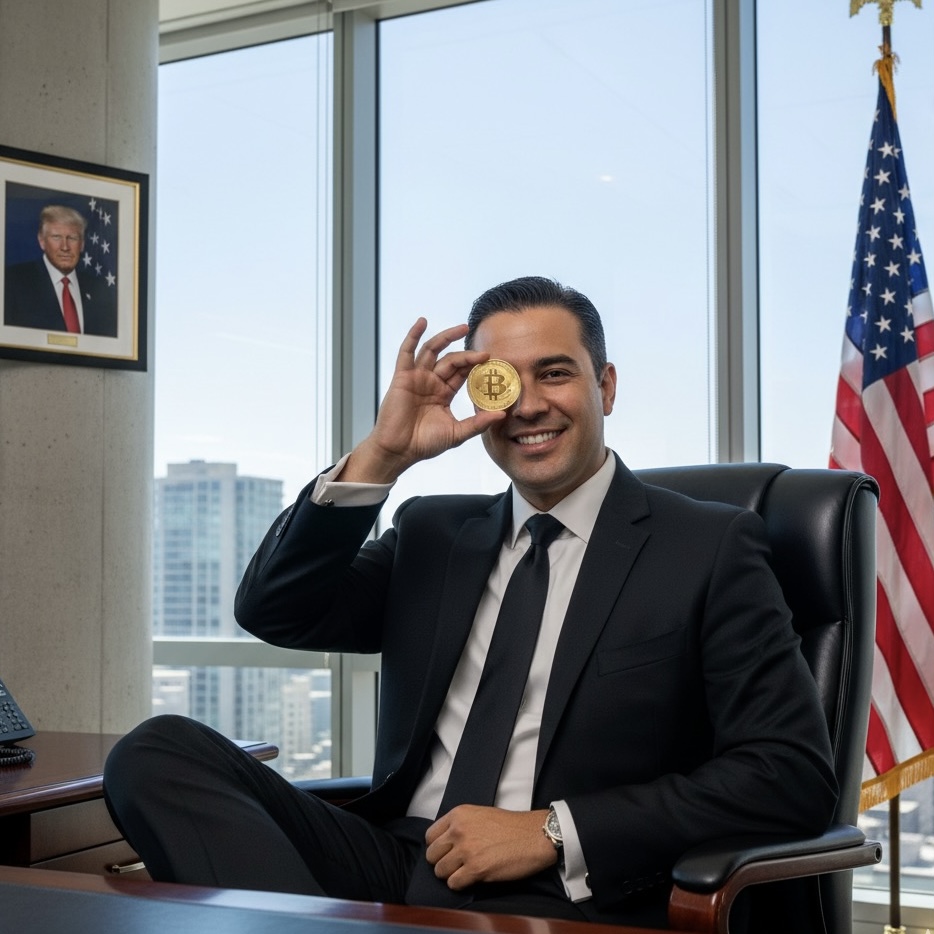
A New Era of NFT Utility Beyond Digital Art
Non‑fungible tokens (NFTs) — once synonymous only with digital artwork — are rapidly evolving into powerful tools that reshape how we invest, learn, and play. By 2026, the blockchain landscape will experience an explosion of real‑world applications that extend far beyond collectibles, redefining opportunities in finance, education, and gaming.
At their core, NFTs are unique digital tokens created on blockchain networks that certify ownership and authenticity of both virtual and physical assets. This idea — first formalized through standards like ERC‑721 — established the foundation for everything that followed, unlocking new possibilities for digital ownership.
The Future of NFT Real Estate: How Fractional Property Investing is Democratizing Global Wealth
The real estate market has long been a playground for the wealthy — high entry costs, complex legal processes, and geographic restrictions often keep everyday investors at bay. But with the rise of NFT real estate and fractional property ownership NFT platforms, this landscape is changing dramatically. By leveraging blockchain technology, investors can now own a fraction of a property anywhere in the world, participate in lucrative real estate opportunities, and enjoy benefits that were previously inaccessible.
What is NFT Real Estate?
At its core, NFT real estate refers to a digital token that represents ownership of a property, recorded on the blockchain. Unlike traditional property deeds, these NFTs are immutable, easily transferable, and can be programmed with smart contracts to automate tasks such as rental income distribution or sale transfers.
The key advantages include:
- Accessibility: Investors no longer need huge sums of money to enter the real estate market.
- Transparency: Blockchain ensures a permanent, tamper-proof record of ownership.
- Liquidity: Fractional ownership allows real estate assets to be traded like stocks.
For example, a luxury apartment in New York or a villa in Dubai can be divided into 1,000 NFT tokens, each representing a portion of ownership. Investors can buy, sell, or trade these tokens on specialized NFT platforms, opening real estate investing to a global audience.
Fractional Property Investing: How It Works
Fractional property investing goes hand-in-hand with NFT real estate. Here’s how it works:
- Property Tokenization: A property is digitized into a set of NFTs representing ownership shares.
- Smart Contract Integration: Smart contracts automatically manage ownership rights, rental income, and resale transactions.
- Market Trading: Investors can buy or sell their fractional tokens on NFT marketplaces, providing liquidity that traditional real estate lacks.
Benefits of fractional investing include:
- Lower Entry Barriers: You don’t need hundreds of thousands of dollars to invest in prime real estate.
- Diversification: Owning fractions of multiple properties spreads risk.
- Global Access: Anyone with an internet connection can invest, eliminating geographic barriers.
This model not only democratizes wealth but also creates a more flexible, investor-friendly real estate ecosystem.
NFT Platforms Revolutionizing Real Estate Investing
Several platforms are leading the way in the NFT real estate sector. These fractional property ownership NFT platforms provide:
- Verification of property ownership on blockchain
- Marketplace for buying and selling fractional property NFTs
- Tools for tracking rental income and property appreciation
By integrating real estate expertise with blockchain technology, these platforms make it easier for investors to participate without the usual hurdles of legal paperwork, intermediaries, and geographic limitations.
Why This is a Game-Changer for Global Investors
Traditionally, real estate investing favored those with:
- Substantial capital
- Local market knowledge
- Access to legal and financial advisors
With NFT real estate and fractional investing, these limitations are drastically reduced. Now, an individual in Africa can own a fraction of a New York skyscraper, or a European investor can invest in luxury properties in Asia — all securely managed on the blockchain.
Key Advantages for Global Investors:
- Liquidity and flexibility: Sell your share anytime on NFT marketplaces.
- Transparency and trust: Blockchain provides verifiable proof of ownership.
- Inclusive investing: Small investors gain access to high-value assets.
The Future Outlook
The NFT real estate trend is still in its early stages, but the trajectory is clear. By 2026, experts predict:
- Increased adoption of fractional property investing NFTs
- Integration of rental and dividend payouts via smart contracts
- Expansion of global NFT real estate marketplaces
This democratization of real estate investing is likely to disrupt traditional markets, making property ownership more accessible and dynamic than ever before.
NFT real estate and fractional property investing are not just futuristic concepts; they are actively reshaping how people approach wealth building. By combining the transparency, liquidity, and accessibility of blockchain with the stability and profitability of real estate, these innovations open doors to global investors and create a more equitable financial ecosystem.
The era of NFT real estate is here, and it’s redefining what it means to own property in a truly globalized digital economy.
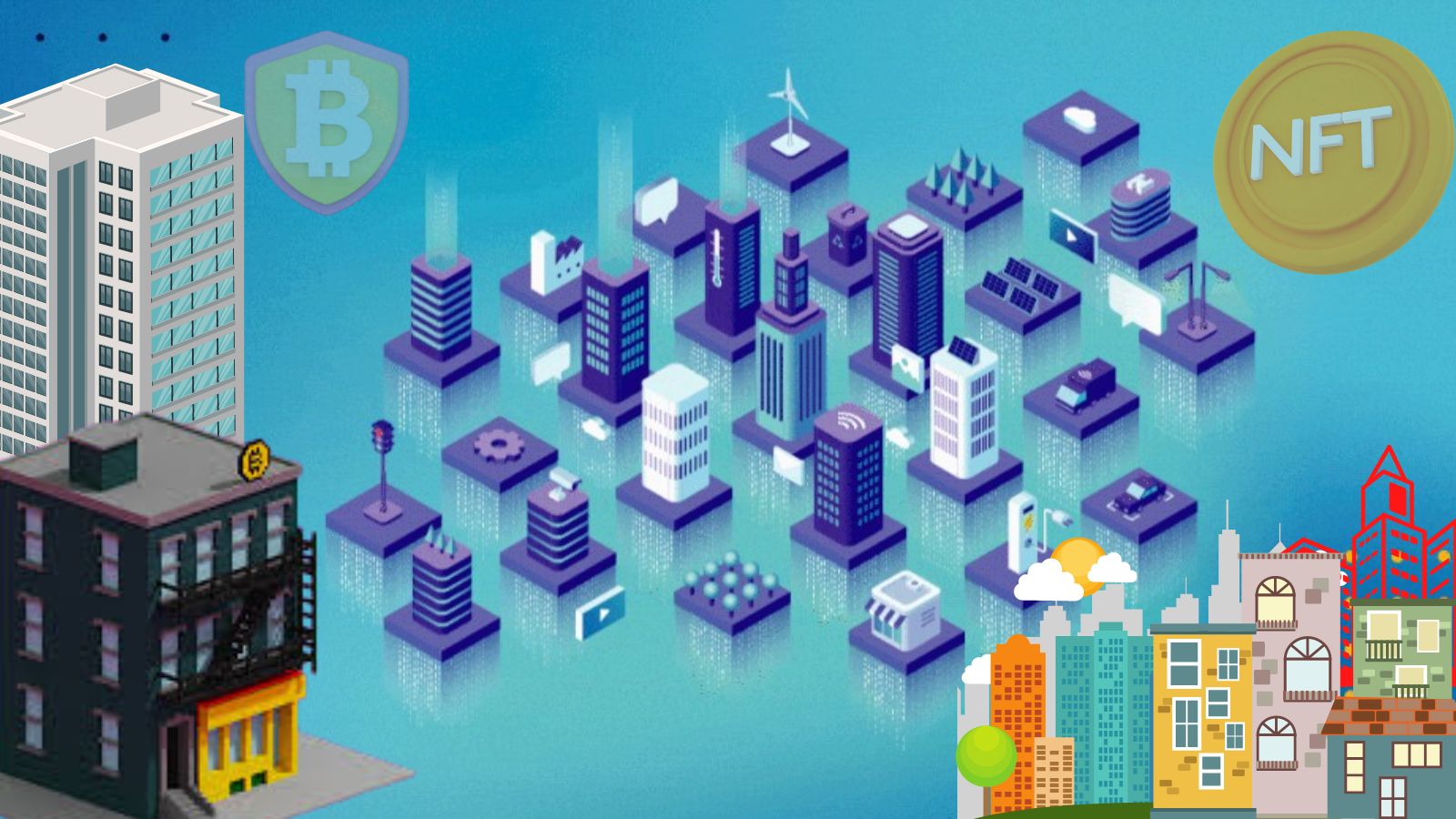
In this comprehensive guide, we’ll unpack 12 exciting ways NFT real estate and Gaming NFTs are revolutionizing investments and learning, including how the NFT play‑to‑earn gaming economy, Blockchain education, and real estate tokenization with NFTs are shaping the future.
1. NFT Real Estate: Democratizing Property Investment
One of the most buzzworthy applications of NFTs is their ability to represent real estate assets digitally on the blockchain — a process known as real estate tokenization with NFTs. Traditionally, investing in property has required large amounts of capital and significant paperwork. NFTs change that.
With NFT real estate, you can:
- Tokenize an entire property to represent legal ownership on the blockchain
- Convert a property into fractional NFTs so multiple investors can share ownership
- Trade and transfer rights instantly and transparently
Real estate tokenization unlocks liquidity for previously illiquid assets and opens doors for global investors to participate in property markets once inaccessible to many.
2. Fractional Property Ownership NFT Platforms: Investments for Everyone
Building on NFT real estate, fractional property ownership NFT platforms let you purchase chunks of a property for a fraction of the traditional cost.
Benefits include:
- Lower barriers to entry: Investors no longer need large capital to buy property
- Portfolio diversification: Owning fractions across multiple assets
- Global access: Investors worldwide can participate seamlessly
Platforms like the ones described on market solution pages are emerging to support trading and ownership management of tokenized real estate, helping democratize property investing.
3. Fractional Property Investing: A Smart Way to Grow Wealth
While fractional ownership refers to holding actual pieces of an NFT tied to real estate, fractional property investing emphasizes the financial strategy behind it — spreading risk, collecting proportional rental income, and trading shares on NFT markets.
Think of it like owning stocks in a property rather than the whole thing — except you own an immutable proof on blockchain that represents those shares.
The result?
✔ Increased liquidity
✔ Global investment opportunities
✔ Faster settlement times compared to traditional RE markets
This movement is poised to redefine how everyday investors perceive real estate wealth building.
4. Gaming NFTs: Where Play Meets Real Revenue
Gaming NFTs are one of the most dynamic spaces in the blockchain world — and possibly the most visible use case beyond art.
These tokens represent:
- In‑game characters
- Weapons and items
- Virtual land
- Exclusive memberships and access
Popular titles have shown that NFTs can turn a leisurely pastime into real economic gain. For example, blockchain games let players earn cryptos and NFTs just by playing — a concept that contributed to the NFT play‑to‑earn gaming economy’s success.
5. The NFT Play‑to‑Earn Gaming Economy: Earn While You Learn (and Play)
The play‑to‑earn model flips traditional gaming upside down.
In a conventional game, you spend money and time for entertainment. In contrast:
With NFT play‑to‑earn gaming economy systems, players earn assets — often tokenized as NFTs — that can be traded or even sold for real value outside the game.
This has transformed gaming into a real income source for millions worldwide and pushed games to reward skill, time investment, and strategic play with tangible, tradeable rewards.
6. Blockchain Education: The Bridge Between Knowledge and Ownership
Blockchain education is essential for equipping the next generation of innovators, developers, and investors with the skills needed to participate in the digital economy.
NFTs support this in two powerful ways:
- Credentialing: Certifying skills and achievements using immutable digital tokens
- Decentralizing learning records: Giving individuals control over their academic and professional profiles
Researchers have highlighted the potential of NFTs in education, showing how they can be applied across multiple educational components — from micro‑certificates to course records — boosting transparency and trust.
7. NFT Credentialing for Education Certificates: Tamper‑Proof Academic Achievement
Imagine graduating from a course — and instead of receiving a piece of paper, you receive a unique NFT representing your achievement.
That’s NFT credentialing for education certificates — and it’s gaining traction for good reason:
- Authenticity: Eliminate fraud and forged certificates
- Portability: Share credentials globally with employers instantly
- Ownership: Students alone control their educational NFTs
Systems modeled on blockchain certificate sharing have been proposed to allow efficient access while maintaining security and confidentiality.
8. Certified Micro‑Credentials: Redefining Skills Recognition
From professional certifications to course badges, micro‑credentials can be minted as NFTs that reflect real skill attainment. This form of validation can:
- Track learning achievements over time
- Be universally verifiable
- Replace traditional, paper‑based systems
This is especially valuable in an era where specific short‑term skills often matter more than traditional diplomas.
9. Global Access to Education Through Web3 Certificates
Because blockchain networks are accessible from anywhere, students in remote or underserved regions can obtain NFT‑based certificates that are recognized, verified, and shareable worldwide — essentially leveling the educational playing field.
Combined with online learning platforms, this opens global doors for students everywhere.
10. Smart Contract‑Driven Rewards Systems in Learning
Education platforms are experimenting with tokenized reward structures where learners receive NFT incentives — such as certificates or badges — for achieving milestones.
These tokens can have utility, prestige, and even monetary value on Some platforms.
This is not only motivational but also prepares learners for blockchain‑driven careers.
11. Interoperability and Cross‑Platform Assets: NFTs That Follow You
One of the exciting innovations in blockchain education and gaming is interoperability — the ability for NFTs earned in one system to hold value or utility in another.
This could mean:
- Using education credentials across platforms and job boards
- Transferring gaming assets between games
- Combining credentials with access rights in exclusive communities
This cross‑platform flexibility blurs the digital lines between finance, education, and entertainment, making NFTs even more powerful.
12. Real‑World Investment Integration: Bridging Physical Assets and Digital Tokens
The future of NFT utility lies not just in digital economies but connecting them with real‑world assets.
- Real estate
- Education credentials
- Gaming economies
These sectors are becoming interconnected ecosystems where ownership, learning, and play combine — backed by smart contracts and verified on blockchain.
This is where NFT utility truly shines as a tool for real empowerment.
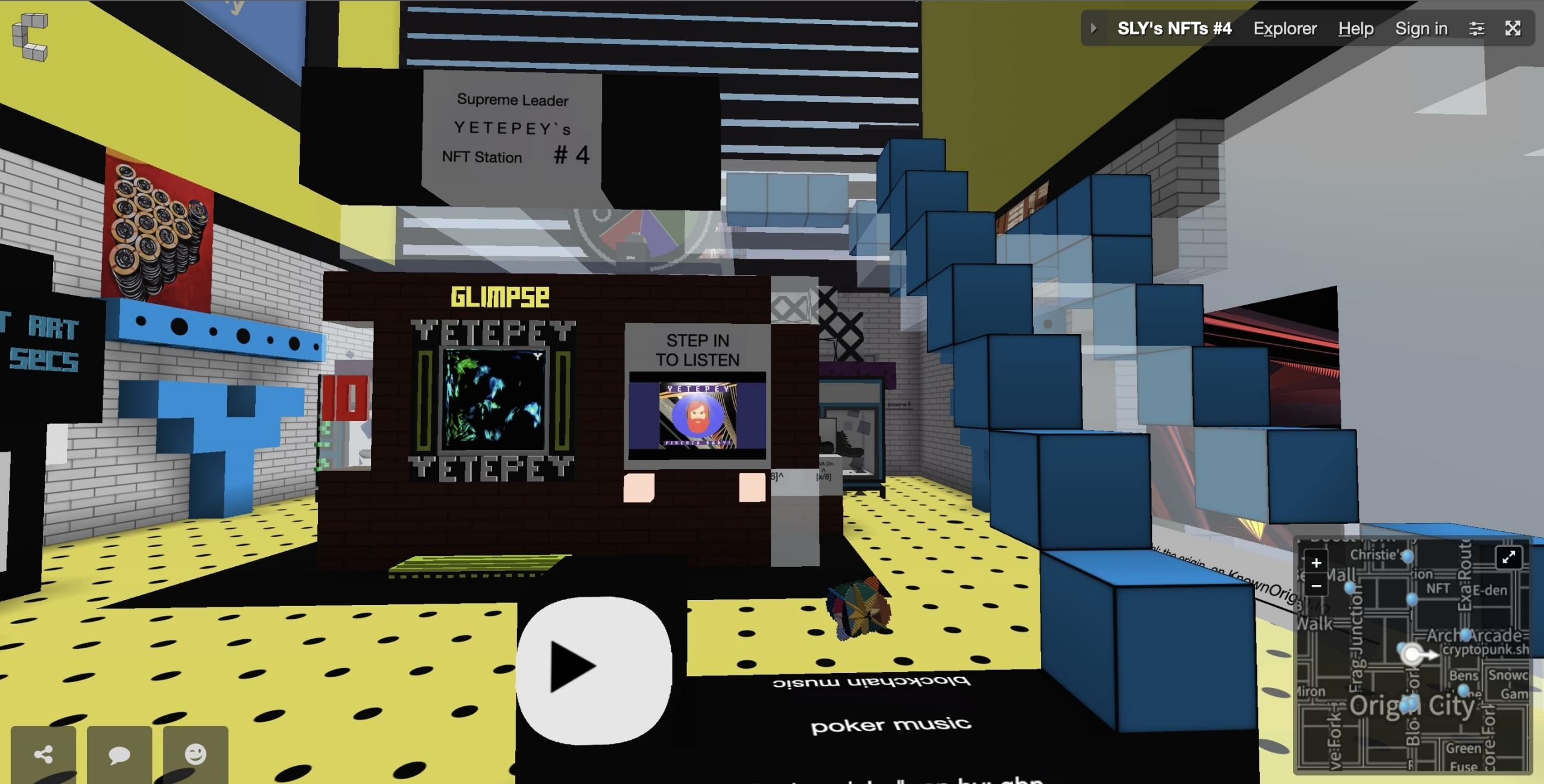
Comparison Table: NFT Applications Across Sectors
| Sector | NFT Application | Key Benefits | Example Use Case |
|---|---|---|---|
| Real Estate | NFT Real Estate Tokenization | Liquidity, accessibility, transparency | Fractional property ownership |
| Investing | Fractional Property Investing | Portfolio diversification | Shared ownership of high‑value property |
| Gaming | Gaming NFTs | Ownership, tradeable assets, revenue | Play‑to‑earn economies |
| Education | NFT Credentialing | Tamper‑proof certificates, global verification | Digital diplomas or skill badges |
| Learning & Rewards | Blockchain Education Tokens | Motivation, recognition | Tokenized learning achievements |
| Cross‑Platform Integration | Interoperability | Seamless digital experiences | NFTs usable across platforms |
NFT Play-to-Earn Gaming Economy: Turning Fun into Real Revenue
Gaming has evolved from a simple form of entertainment into a multi-billion-dollar global industry. But the introduction of Gaming NFTs and the NFT play-to-earn gaming economy has completely transformed the rules of engagement. Today, players are not just spending time in virtual worlds — they are generating real-world income, building digital assets, and participating in decentralized economies.
What is the NFT Play-to-Earn Gaming Economy?
The play-to-earn (P2E) model leverages NFTs to give players ownership of in-game assets, enabling them to earn cryptocurrency or digital tokens as they play. These NFTs can represent:
- Characters or avatars
- Weapons, skins, or items
- Virtual real estate and land parcels
- Exclusive membership access or achievements
Unlike traditional games where progress or rare items have no monetary value, NFTs allow players to monetize their time and effort. This creates a unique intersection of gaming, finance, and blockchain technology.
How Gaming NFTs Generate Real Revenue
Here’s how players can earn through Gaming NFTs:
- Trading Assets: Players can buy, sell, or trade rare NFTs on blockchain marketplaces.
- In-Game Rewards: Completing challenges or quests can yield NFT rewards that have real-world value.
- Virtual Real Estate: Owning and renting out virtual land in games like Decentraland or The Sandbox generates passive income.
- Staking & Yield Farming: Certain games allow players to stake NFTs for additional rewards, integrating DeFi concepts with gaming.
The NFT play-to-earn gaming economy empowers players to monetize their skills, time, and strategic thinking — essentially turning gaming into a legitimate income source.
Popular Examples of NFT Gaming Economies
Several blockchain-based games have demonstrated the immense potential of this model:
- Axie Infinity: Players breed, battle, and trade creatures called Axies to earn SLP and AXS tokens.
- The Sandbox: Users buy, sell, and develop virtual land and assets, monetizing creativity and real estate skills.
- Decentraland: Players own virtual land parcels and can run businesses or events, generating real revenue streams.
These platforms showcase how Gaming NFTs go beyond simple collectibles, creating entire ecosystems where digital assets hold tangible value.
Benefits of the NFT Play-to-Earn Gaming Economy
The rise of P2E gaming and NFTs offers numerous benefits for players, developers, and investors:
- For Players:
- Earn while playing
- Trade digital assets with real-world value
- Gain ownership and control over in-game items
- For Developers:
- Monetize game ecosystems
- Attract global players
- Encourage user engagement through rewards
- For Investors:
- Access to new digital asset markets
- Potential appreciation of rare NFTs
- Integration with decentralized finance (DeFi) opportunities
The Social Impact of NFT Play-to-Earn Gaming
Beyond financial gains, the NFT play-to-earn gaming economy has also created significant social impact:
- Economic Opportunities: In countries with limited job markets, P2E gaming offers viable income sources.
- Skill Development: Strategic thinking, resource management, and digital literacy are strengthened through gameplay.
- Community Engagement: Players form communities and networks that contribute to the game’s growth and ecosystem.
This combination of earning potential and personal development makes NFT gaming a revolutionary trend in the digital era.
Challenges and Considerations
While promising, the NFT play-to-earn model is not without challenges:
- Market Volatility: NFT prices can fluctuate rapidly, impacting earnings.
- Security Risks: Players must safeguard digital wallets and assets.
- Game Sustainability: Developers must ensure long-term engagement to maintain ecosystem value.
Being aware of these challenges helps players make informed decisions and navigate the NFT gaming space safely.
The Future of NFT Gaming and Play-to-Earn Economies
Looking ahead, the NFT play-to-earn gaming economy is poised for exponential growth in 2026 and beyond:
- More mainstream adoption of blockchain-based games
- Expansion of cross-platform NFT interoperability
- Integration with educational and financial platforms, blurring the line between learning, entertainment, and earning
The convergence of gaming, blockchain, and real-world economics is creating a truly revolutionary ecosystem where players and investors alike can benefit.
Gaming NFTs and the NFT play-to-earn gaming economy are redefining what it means to “play” in the digital era. Beyond entertainment, these systems empower players to earn, invest, and participate in decentralized economies. Whether you’re a gamer, an investor, or someone curious about blockchain technology, understanding NFT gaming ecosystems is essential for capitalizing on the opportunities of 2026 and beyond.
Conclusion: The Transformative Power of NFT Real Estate, Gaming NFTs, and Blockchain Education in 2026
The digital revolution of 2026 has firmly established NFT real estate, Gaming NFTs, and Blockchain education as transformative forces reshaping the way we invest, learn, and engage in virtual economies. What once was considered a niche application of blockchain technology — largely confined to art and collectibles — has now matured into a dynamic ecosystem with tangible real-world impact. Investors are leveraging fractional property ownership NFT platforms to access high-value real estate, democratizing wealth in ways that were impossible just a few years ago. By participating in fractional property investing via blockchain, individuals around the world can now own a piece of prime properties, benefit from rental income, and trade their digital assets with unprecedented transparency and security.
Meanwhile, the NFT play-to-earn gaming economy has redefined entertainment by transforming leisure into a real source of revenue. Players across the globe are earning valuable digital assets, trading Gaming NFTs, and participating in immersive ecosystems where time, skill, and strategy translate directly into economic gain. This intersection of play, finance, and technology is creating vibrant new economies, empowering both casual players and professional gamers alike. As highlighted in this detailed NFT gaming guide, the potential of P2E models is not just in the digital rewards but in creating skill-based, sustainable economies that bridge the gap between virtual and real-world value.
Education, too, has undergone a profound transformation with Blockchain education and NFT credentialing for education certificates. Learners now have the ability to hold secure, verifiable, and globally recognized academic credentials as NFTs, ensuring authenticity and portability across borders. The rise of micro-credentials, stackable digital certificates, and tokenized learning achievements has made lifelong learning more accessible, transparent, and rewarding. Institutions are now able to validate achievements instantly and efficiently, as explained in this insightful analysis of NFT credentialing in education. These innovations empower learners, reduce fraud, and open doors to global career opportunities that were previously limited by traditional systems.
Taken together, these developments illustrate a fundamental shift: NFTs are no longer just digital novelties — they are functional, high-value instruments that bridge finance, gaming, and education. By embracing NFT real estate, Gaming NFTs, and blockchain-driven education, individuals gain control over their assets, achievements, and economic potential. From enabling small investors to participate in real estate tokenization with NFTs to giving players real-world rewards for gaming skills, and validating learning achievements through NFT credentialing, the scope of opportunity is unprecedented.
As we move deeper into 2026, one thing is clear: NFTs have the power to democratize wealth, empower learners, and create earn-while-you-learn economies that are both inclusive and sustainable. For investors, gamers, and lifelong learners, the time to engage with this evolving ecosystem is now — understanding these technologies, participating in NFT marketplaces, and exploring blockchain education opportunities can yield both financial and intellectual rewards. The convergence of these sectors marks the dawn of a new digital era, where ownership, education, and economic participation are decentralized, transparent, and globally accessible.
In short, NFTs are no longer just a trend — they are a revolution, unlocking real-world utility and tangible value in ways that will shape the digital economy for years to come. Those who embrace this transformation today are positioning themselves at the forefront of a financial, educational, and gaming paradigm shift that promises to redefine opportunity, wealth, and learning in the 21st century.
- An article on NFT utility beyond art and real‑world use cases highlighting identity and credentials in blockchain applications.(cryptodarsan)
- A real estate tokenization platform resource explaining how blockchain and NFTs unlock liquidity and opportunities.(futurengage.com)