
Why a Retirement Emergency Fund Matters More Than Ever
Retirement is often portrayed as a time of peace, freedom, and finally doing what you love. But without a solid retirement emergency fund, unexpected expenses can turn golden years into a constant source of stress.
Unlike working adults who can lean on paychecks or side gigs when trouble strikes, retirees generally live on a fixed income — whether that’s Social Security, a pension, or withdrawals from savings and investments. Without a robust safety net, emergencies can derail financial plans, forcing costly withdrawals, debt, or lifestyle compromises. A proper emergency fund for retirees isn’t optional — it’s foundational to lasting financial security.
In this article, we’ll walk through 7 proven steps that make up a reliable, relatable, and achievable step-by-step emergency fund guide for retirees in the USA — so you can enjoy retirement with confidence and peace of mind.

1. Understand How Much Emergency Fund Retirees Need in 2026
A crucial first step in your retirement financial planning is answering a question every retiree asks:
How Much Emergency Fund Should Retirees Really Have?
- Traditional guidelines for working adults suggest 3–6 months of living expenses, but that’s generally too small for retirees.
- Financial advisers now recommend retirees keep 12–18 months of essential living expenses in liquid savings to weather unexpected situations like medical emergencies, home repairs, or market downturns without tapping into long‑term investments.
For example, if your basic monthly costs total $3,000, a safe emergency cushion would be $36,000–$54,000 kept in a liquid, accessible account.
Why More Cash Makes Sense in Retirement
- No employment income — no easy way to replace funds lost during an emergency.
- Healthcare costs tend to rise as we age.
- Withdrawing investments during a market slump can lock in losses.
Your emergency fund should be enough that you never fear dipping into your retirement portfolio or relying on high‑interest credit when life surprises you.
2. Separate Your Emergency Fund From Other Retirement Savings
One of the biggest mistakes retirees make is mixing their emergency savings with long‑term, invested funds. Your emergency fund must be:
- Liquid: Easy to access within 1–2 days
- Low‑risk: Won’t lose value if markets tumble
- Separate: Not part of accounts earmarked for long‑term growth
Where to Keep It Safely
Consider safe, accessible account types:
| Account Type | Accessibility | Typical Interest | Suitability for Emergency Fund |
|---|---|---|---|
| High‑Yield Savings Account | 1‑2 business days | Best (often 4%+ APY) | Excellent |
| Money Market Account | Same day | Good | Great |
| Short‑Term CDs | End of term | Decent | OK (if rollover timing is predictable) |
| Regular Checking | Instant | Poor | Not recommended |
| Stock Market / Investment Accounts | Varies | Risky | Unsuitable |
| Retirement Accounts (401k/IRA) | Penalty applies | N/A | Avoid |
Keeping your retiree emergency savings plan with high‑yield accounts ensures your cash cushion is both safe and earning interest, instead of sitting idle in a low‑yield checking account.
3. Set Clear Goals: Your Step‑by‑Step Emergency Fund Plan
Building a retirement emergency cushion doesn’t happen overnight — but it becomes much easier when you break it into clear, manageable steps.
Step‑by‑Step Emergency Fund Guide for Retirees USA
Step 1: Calculate Your Essential Monthly Expenses
- Housing (mortgage or rent, insurance, taxes)
- Utilities (electric, internet, water)
- Food & groceries
- Healthcare costs (insurance premiums, meds)
- Transportation & insurance
- Minimum debt payments
Step 2: Establish Your Fund Target
- Start with a minimum goal — six months of essential needs
- Build up gradually to 12–18 months or more
Step 3: Keep It Separate
Open a dedicated high‑yield savings account — don’t mix this with everyday spending accounts.
Step 4: Automate Savings
Set monthly transfers to your emergency fund — even modest amounts add up over time.
Step 5: Use Windfalls Wisely
Tax refunds, bonus payments, and gift money are perfect boosts to your emergency savings.
Step 6: Review Annually
Life changes — so should your plan. Review your fund each year to ensure it still fits your needs.
Step 7: Replenish After Use
If you ever use part of your emergency fund, make it a priority to refill it.
These steps help you approach retirement savings strategy as a dynamic plan — one you can adjust confidently as life evolves.
4. Choose the Right Tools: High‑Yield Accounts & Accessibility
Your cash cushion should not only be safe but also giving you some return rather than costing you purchasing power to inflation. That’s where high‑yield savings accounts come in.
Why they make sense:
- Higher interest than traditional savings
- FDIC‑insured up to $250,000
- Easy transfers when you need them
Some online providers currently offer rates around 4–5% APY — a meaningful boost compared to traditional accounts. (Digital Calculator)
Account Options to Consider
- High‑Yield Savings Accounts – Best for earnings & liquidity
- Money Market Accounts – Similar yield, sometimes with debit features
- Short‑Term CDs – Good if you match term lengths with spending needs
Avoid using retirement accounts (like IRAs or 401(k)s) for emergencies — withdrawals can incur taxes and penalties.
5. Adjust for Personal Circumstances & Risk Factors
Every retiree’s situation is unique, and your emergency fund needs to reflect the full picture of your lifestyle:
Key Factors That Can Increase Your Emergency Fund Needs
- Healthcare costs: These often rise with age.
- Homeownership: Major repairs can hit unexpectedly.
- Market volatility: If you rely heavily on investments for income.
- Lifestyle: Travel, hobbies, and leisure expenses can affect cash flow.
Conversely, if you have guaranteed income streams like a sizable pension or annuity, you might adjust your target slightly — but caution is still wise.
6. Common Mistakes Retirees Make (and How to Avoid Them)
Even with the best intentions, retirees sometimes slip into common financial planning traps:
Mixing Emergency Funds With Investments
This may expose you to losses when you need money most.
Underestimating Healthcare & Unexpected Costs
Medical bills are a top cause of financial stress in retirement.
Letting Emotions Drive Withdrawals
Without a dedicated fund, you might withdraw investments at the wrong time — locking in losses.
Solution: Keep Cash Separate & Accessible
Your emergency cash should be untouched unless a genuine emergency strikes.
7. Building Peace of Mind: The Emotional Benefit of a Strong Emergency Fund
At its core, a proper emergency fund does more than just protect your money — it protects your peace of mind. Knowing you have enough liquid funds to handle the unexpected allows you to live comfortably, without fear that a surprise expense will derail your golden years.
And that, more than any number, is the real goal of retirement financial planning.

The Hidden Retirement Crisis
Retirement should be a time of relaxation, travel, and enjoying life after decades of hard work. Yet, emergency fund retirees face a silent challenge: many are unprepared for unexpected expenses. From sudden healthcare costs to urgent home repairs, lacking a sufficient safety net can turn retirement into a period of financial stress.
Even in 2026, studies show that a significant number of retirees have less than six months’ worth of living expenses saved, putting them at risk of tapping into investments at the wrong time or relying on high-interest credit.
This guide will explore why retirees struggle, what the latest trends indicate, and actionable steps to strengthen your retirement emergency fund.
1. The Numbers Don’t Lie: How Retirees Are Falling Behind
Recent surveys indicate:
- Approximately 40% of Americans aged 60+ have less than $10,000 in emergency savings.
- Nearly 25% of retirees have no dedicated emergency fund at all.
- Rising healthcare costs and inflation have increased the financial pressure on seniors.
Why is this happening?
- Some retirees underestimate how much they need.
- Others rely too heavily on Social Security or pensions.
- Many postpone building emergency savings because they are focused on long-term investments.
This data highlights a critical gap in retirement financial planning: without a robust emergency fund, retirees face both financial and emotional stress.
2. Top Reasons Retirees Struggle with Emergency Funds
A. Healthcare Surprises
Medical expenses are unpredictable. Even with Medicare, costs like dental, vision, prescription drugs, or long-term care can add up quickly.
B. Market Volatility
Retirees who rely on investments for cash flow can see their funds drop in value during market downturns — leaving them hesitant to withdraw for emergencies.
C. Lack of Awareness
Many seniors don’t know how much emergency fund for retirees in 2026 is recommended. Traditional guidelines of 3–6 months of expenses fall short for retirees; experts now recommend 12–18 months.
D. Behavioral Barriers
Saving consistently can be difficult, especially if a retiree is adjusting to a fixed income for the first time.
3. Emerging Trends: What 2026 Google Trends Data Tells Us
According to recent trends, searches around retirement emergency fund, retiree savings strategy, and how much emergency fund for retirees in 2026 have increased steadily. This indicates growing awareness but also anxiety around managing unexpected expenses.
- Interest in high-yield savings accounts for retirees is surging.
- More retirees are researching step by step emergency fund guides online.
- Digital tools and apps for automatic saving are trending among seniors seeking convenience.
These trends highlight the shift toward practical, actionable strategies rather than just theory.
4. Practical Steps to Strengthen Your Retirement Emergency Fund
Here’s how retirees can address the gap and secure financial peace:
Step 1: Assess Your Essential Expenses
- Housing, food, utilities, healthcare, transportation
- Debts and monthly obligations
- Miscellaneous essential costs
Step 2: Set a Realistic Target
- Minimum goal: 6 months of expenses
- Optimal: 12–18 months or more depending on lifestyle and health risks
Step 3: Use High-Yield Savings Accounts
- Keep your fund accessible yet interest-earning
- Protect against inflation with accounts offering 4%+ APY
Step 4: Automate Contributions
- Even $100–$200 per month adds up
- Treat it like a bill — non-negotiable
Step 5: Build with Windfalls
- Tax refunds, bonuses, or gifts should go straight to your emergency fund
Step 6: Review and Adjust
- Annual check-ins ensure the fund grows with lifestyle changes and inflation
5. Common Pitfalls to Avoid
- Mixing emergency funds with long-term investments — keeps funds vulnerable
- Underfunding due to optimism bias — planning for “best case” instead of “realistic” scenarios
- Ignoring inflation — cash loses value over time if not properly managed
6. Emotional Benefits of a Well-Funded Emergency Fund
Financial security isn’t just about money — it’s about peace of mind:
- Eliminates stress over unexpected costs
- Allows retirees to make better investment decisions without panic
- Enables a more enjoyable, relaxed retirement lifestyle
7. Conclusion: Take Control Now
Many retirees are struggling, but awareness is the first step toward improvement. By following a step by step emergency fund guide for retirees USA, you can:
- Understand exactly how much to save
- Use high-yield accounts to grow your cushion
- Avoid costly mistakes
- Enjoy a truly stress-free retirement
Even small, consistent efforts compound over time. Don’t wait for an emergency — start today to protect your golden year
- AARP – How Much Emergency Fund Do You Really Need?
- NASDAQ – Retirees and Emergency Fund Recommendations

2026 Emergency Fund Benchmarks for Retirees — From 12 to 24 Months of Essential Costs
Why Emergency Fund Benchmarks Matter in Retirement
One of the most common questions retirees ask is: “How much should I really have in my emergency fund?” While traditional guidelines for working adults suggest 3–6 months of expenses, this standard is no longer sufficient for retirees in 2026.
Retirees often face higher healthcare costs, rising living expenses, and limited income streams. For this reason, financial advisors now recommend 12–24 months of essential expenses in a dedicated emergency fund to provide both financial stability and peace of mind.
In this article, we’ll explore the latest benchmarks for emergency fund retirees, practical strategies to achieve them, and how to tailor your savings to your personal retirement goals.
1. Understanding Emergency Fund Benchmarks for Retirees
The concept of an emergency fund is simple: cash set aside for unexpected expenses. But retiree emergency savings have unique considerations:
- Income limitations: Social Security, pensions, or withdrawals from retirement accounts may be your only source of income.
- Healthcare unpredictability: Even with Medicare, out-of-pocket costs can be significant.
- Market volatility: Retirees relying on investments for income risk withdrawing at a loss during downturns.
Given these factors, the new 2026 benchmark suggests keeping 12–24 months of essential living expenses in an accessible, low-risk account.
Why the Range Is Broad (12–24 Months)
- 12 months – suitable for retirees with moderate expenses, guaranteed pensions, or smaller healthcare needs.
- 18 months – ideal for most retirees who want extra security without over-allocating cash.
- 24 months – recommended for retirees with high medical costs, multiple dependents, or volatile investment portfolios.
2. Calculating Your Ideal Emergency Fund
Determining your personal benchmark requires a clear understanding of your essential monthly costs. Here’s a step-by-step method:
- List essential monthly expenses: housing, utilities, food, transportation, healthcare, debt, and insurance.
- Multiply by 12, 18, or 24 depending on your risk tolerance and financial situation.
- Adjust for inflation: Ensure your fund retains purchasing power over time.
Example Table: Emergency Fund Targets Based on Monthly Expenses
| Monthly Expenses | 12 Months | 18 Months | 24 Months |
|---|---|---|---|
| $3,000 | $36,000 | $54,000 | $72,000 |
| $4,000 | $48,000 | $72,000 | $96,000 |
| $5,000 | $60,000 | $90,000 | $120,000 |
This table makes it easy to visualize how much cash you need to cover unexpected costs without dipping into investments.
3. Strategies to Achieve Your Emergency Fund Goal
Step 1: Start With What You Can Afford
Even if you cannot save 12–24 months immediately, start small. For instance:
- Save $200–$500 monthly in a high-yield savings account.
- Treat your emergency fund contributions like a fixed monthly bill.
Consistency matters more than speed; your fund will grow steadily over time.
Step 2: Use High-Yield Savings Accounts
- High liquidity ensures money is available when needed.
- Competitive interest rates help your fund keep pace with inflation.
- Example: Many online banks currently offer 4–5% APY
Step 3: Leverage Windfalls
- Tax refunds, pensions, or inheritance can be directly added to your fund.
- Even one-time boosts can accelerate reaching your 12–24 month benchmark.
Step 4: Automate and Monitor
- Set up automatic transfers each month.
- Review your fund annually to adjust for changing expenses or inflation.
4. Adjusting Your Benchmark Based on Personal Factors
No two retirees are the same. Factors that may affect your emergency fund target include:
- Health status: Higher medical costs require a larger buffer.
- Homeownership: Homes may need costly repairs or maintenance.
- Lifestyle: Travel, hobbies, or supporting dependents can increase monthly needs.
- Guaranteed income streams: Pensions or annuities can slightly reduce emergency cash requirements.
By considering these factors, you can select a benchmark that aligns with your specific financial and personal circumstances.
5. Common Mistakes to Avoid When Building Your Fund
- Keeping funds in low-yield accounts – loses purchasing power to inflation.
- Underestimating healthcare or living expenses – leads to underfunding.
- Mixing funds with long-term investments – may force you to sell at a loss during emergencies.
Instead, use a retiree emergency savings plan with high-yield accounts and treat it as untouchable except for true emergencies.
6. Emotional and Financial Benefits of Meeting Benchmarks
Achieving your 12–24 month emergency fund benchmark offers tangible and intangible benefits:
- Protects long-term investments from forced withdrawals.
- Reduces anxiety about unexpected costs.
- Provides flexibility to enjoy retirement without financial fear.
Having this financial cushion allows retirees to focus on lifestyle and health, rather than constant worry about money.
Take Action Now to Secure Your Retirement
The 2026 benchmark for emergency fund retirees — 12–24 months of essential expenses — is more than a number; it’s a roadmap to financial freedom and peace of mind.
Start by assessing your expenses, setting a realistic goal, and building your fund steadily in a high-yield savings account. Review annually, adjust as life changes, and protect your retirement from unforeseen events.
With discipline and strategic planning, you can achieve a stress-free retirement, fully prepared for whatever comes next.
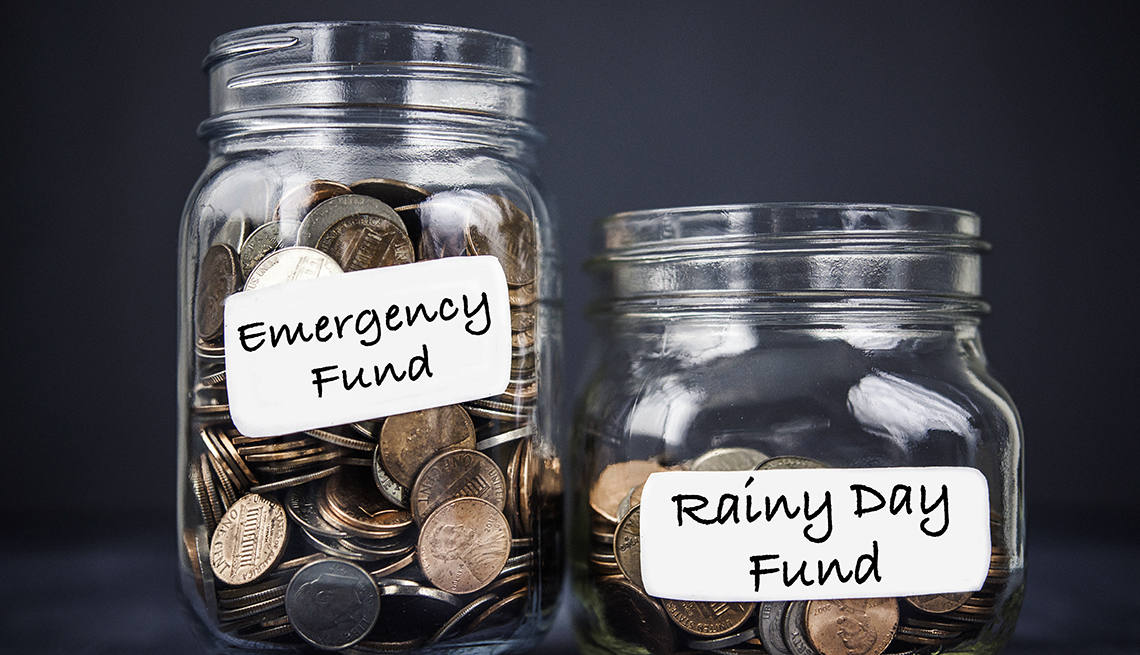
Retiree Emergency Funds in the Digital Age: Modern Tools to Grow Your Retirement Emergency Fund
In 2026, managing a retirement emergency fund is no longer limited to a traditional savings account. Retirees are increasingly leveraging digital tools and FinTech solutions to strengthen and grow their retirement emergency fund efficiently. These modern tools make it easier to track, save, and protect your funds while keeping them accessible for true emergencies.
By using technology, retirees can:
Automate deposits into their retirement emergency fund, ensuring consistent growth without manual effort.
Monitor fund balances in real-time, giving a clear picture of your retirement emergency fund status at any moment.
Optimize returns safely with high-yield accounts integrated into digital platforms, allowing your retirement emergency fund to earn meaningful interest without market risk.
Digital solutions help retirees maintain discipline, avoid accidental overspending, and ensure their retirement emergency fund serves its intended purpose: a secure financial buffer for emergencies. Incorporating technology into your retirement savings strategy transforms your emergency fund from a static cash reserve into a dynamic, accessible, and growth-oriented resource.
For retirees seeking financial security in 2026, using digital tools alongside a high-yield savings account ensures your retirement emergency fund is fully optimized — providing both safety and peace of mind.
High-Yield Savings Accounts: Strengthening Your Retirement Emergency Fund
For many retirees, a retirement emergency fund is only as strong as the account that holds it. In 2026, high-yield savings accounts have emerged as a key tool for building a robust retirement emergency fund. Unlike traditional savings accounts, high-yield options offer higher interest rates, helping your emergency fund grow steadily while keeping it safe and accessible.
Using a high-yield account for your retirement emergency fund provides several advantages:
Liquidity: Your funds remain accessible immediately for emergencies without penalties.
Safety: Most high-yield accounts are FDIC-insured, ensuring your retirement emergency fund is protected.
Growth: Higher interest rates allow your retirement emergency fund to keep pace with inflation, maintaining its purchasing power over time.
Incorporating a high-yield savings account into your retirement savings strategy ensures your retirement emergency fund is not just a static cash reserve, but a dynamic tool that grows safely while giving you peace of mind. For retirees aiming to secure their financial future, a retirement emergency fund in a high-yield account is a modern backbone for lasting security
For many retirees, these tools not only simplify fund management but also boost confidence, knowing that their emergency fund is both safe and growing.

Emergency Fund Mistakes Retirees Should Avoid in 2026 — Smart Strategies for Lasting Financial Security
Even the best-laid plans can go off course if retirees fall into common pitfalls when managing their emergency funds. Understanding these mistakes is essential to creating a retiree emergency savings plan with high-yield accounts that truly protects your retirement lifestyle.
In 2026, financial advisors continue to see patterns in retirees’ behaviors that can undermine their emergency funds, even when they intend to save responsibly.
1. Underestimating Emergency Fund Needs
Many retirees make the mistake of calculating emergency fund needs too conservatively. While the old guideline of 3–6 months of expenses may work for working adults, retirees face unique risks:
- Healthcare costs can rise unexpectedly.
- Home repairs or maintenance costs can spike.
- Inflation reduces the purchasing power of cash over time.
Smart Strategy: Aim for 12–24 months of essential expenses in liquid, safe accounts. Adjust your fund as your lifestyle, health, or cost of living changes. This ensures your fund can cover true emergencies without dipping into investments.
2. Mixing Emergency Funds With Long-Term Investments
A common temptation is to hold emergency cash in a brokerage account or other investments to try to earn higher returns. While growth is appealing, it comes with risk:
- Market volatility can cause losses just when you need cash.
- Withdrawing during a market downturn locks in losses and undermines long-term financial plans.
Smart Strategy: Keep your emergency fund separate in high-yield savings accounts or money market accounts, where it is secure, liquid, and predictable.
3. Failing to Automate Savings
Without automation, retirees often delay saving or forget to contribute to their emergency fund regularly. This can slow progress toward their 12–24 month target.
Smart Strategy: Set up automatic transfers from your checking or investment accounts directly into your emergency fund. Even modest amounts ($100–$300 monthly) compound over time, steadily building a robust cushion.
4. Using the Fund for Non-Emergencies
Some retirees withdraw from their emergency fund for discretionary spending or lifestyle upgrades, effectively reducing their safety net. This leaves them vulnerable when real emergencies arise.
Smart Strategy: Treat your emergency fund as untouchable unless a true financial emergency occurs — such as unexpected medical bills, urgent home repairs, or essential living expense gaps.
5. Neglecting to Replenish After Use
Emergencies happen, and sometimes funds will be used. However, failing to replenish the fund after a withdrawal is a critical mistake. Over time, this reduces your buffer and defeats the purpose of planning.
Smart Strategy: Immediately create a plan to rebuild the fund after each use. Even small, consistent deposits restore the fund gradually while maintaining your security.
6. Ignoring Inflation and Rising Costs
Holding cash in low-interest accounts that don’t keep pace with inflation erodes your emergency fund’s value. Over several years, the same cash may cover less than originally intended.
Smart Strategy: Use high-yield savings accounts, short-term CDs, or other low-risk instruments that offer returns exceeding inflation, while keeping funds liquid and accessible.
7. Not Reviewing or Updating the Fund
Life changes — health, housing, and lifestyle shifts all impact your required emergency fund. Retirees often set a fund once and never revisit it.
Smart Strategy: Review your fund at least annually. Update the target amount to reflect:
- Changes in monthly expenses
- New healthcare or insurance costs
- Inflation adjustments
Regular review ensures your fund remains adequate and aligned with your retirement lifestyle.
Avoiding Mistakes Ensures Financial Peace
Avoiding these mistakes is just as important as building your emergency fund. By understanding common pitfalls, retirees can maintain a step-by-step emergency fund guide for retirees USA that truly safeguards their financial security.
A well-managed emergency fund:
- Protects long-term investments from unnecessary withdrawals
- Provides peace of mind and reduces anxiety about unexpected costs
- Supports a stable, stress-free retirement
By learning from these mistakes and implementing smart, modern strategies, retirees can confidently navigate 2026 and beyond, ensuring that their emergency fund fulfills its purpose: financial stability and peace of mind.
Conclusion: Secure Your Future with a Robust Retirement Emergency Fund
Building a strong retirement emergency fund is the cornerstone of a stress-free and financially secure retirement. By understanding how much emergency fund for retirees in 2026 is needed, keeping your savings separate from long-term investments, and using high-yield accounts or digital tools, you can protect yourself against unexpected expenses.
A well-planned retirement emergency fund ensures that you won’t have to tap into your investment portfolio during market downturns or rely on high-interest debt in case of emergencies. Following a step-by-step emergency fund guide for retirees USA allows you to grow your savings steadily while maintaining peace of mind.
Remember, the purpose of your retirement emergency fund is not only to cover unexpected costs but also to give you confidence, freedom, and flexibility to enjoy your golden years. Start small if necessary, stay consistent, and review your fund regularly. With the right retirement savings strategy, your retirement emergency fund will become a reliable shield, safeguarding your financial independence and creating a truly stress-free retirement
For additional credible guidance on how much retirees should save, see AARP’s comprehensive recommendations on emergency savings and why larger cash buffers benefit retirees: https://www.aarp.org/money/personal-finance/how-much-in-emergency-fund.html (AARP)
Also explore expert perspectives on determining ideal emergency fund size from NASDAQ’s detailed breakdown tailored for retirees: https://www.nasdaq.com/articles/heres-how-much-retirees-should-keep-emergency-fund (Nasdaq)