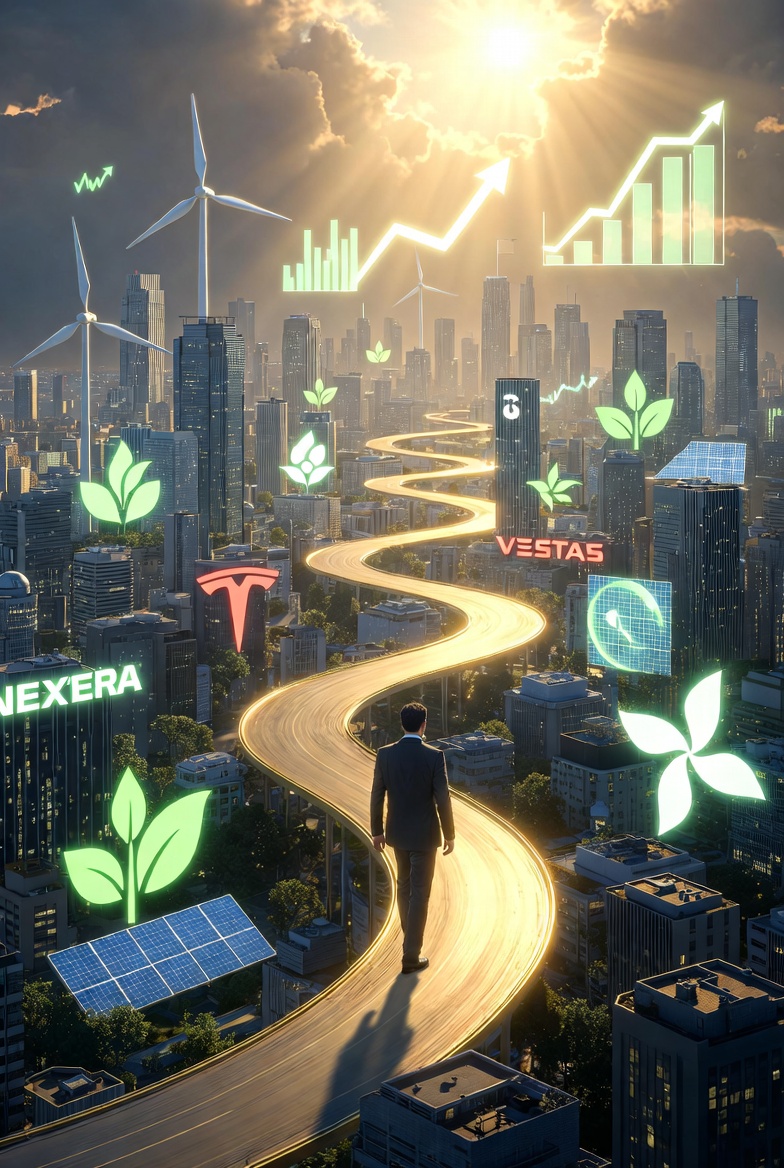
Investing isn’t just about making money anymore — it’s about making an impact. Today’s small investors want portfolios that are both financially rewarding and aligned with their values. That’s where sustainable ETFs — a powerful subset of ESG investing — come in. Sustainable ETFs (or ESG ETFs) let you invest in companies that meet environmental, social, and governance criteria, offering a vehicle that blends profit potential with purpose — a dual purpose many investors embrace in 2026 and beyond.
But how exactly do you build a sustainable ETF portfolio that isn’t just well‑meaning, but also profitable and future‑ready?
This comprehensive guide lays out 10 powerful strategies, tailored especially for small investors aiming to leverage top sustainable ETFs, maximize diversification, and make smart ESG investing choices in 2026.

What Are Sustainable ETFs and Why They Matter
Before diving into strategies, let’s get on the same page.
Sustainable ETFs are exchange‑traded funds that screen for companies based on environmental, social, and governance (ESG) criteria. Rather than just chasing financial returns, these funds invest in companies demonstrating strong sustainability practices — reducing carbon footprints, upholding ethical governance, or supporting social good.
Unlike traditional ETFs purely driven by market cap or industry weighting, ESG ETFs use screening criteria to include or exclude companies based on values that matter to investors. This makes ESG ETFs ideal for investors who want financial growth with purpose
Strategy 1: Define Your ESG Values and Goals First
When building an ESG portfolio, the first and most important step is identifying what sustainability means to you.
Ask yourself:
- Do I prioritize environmental impact (like climate change or renewable energy)?
- Are social issues (healthcare, workers’ rights) important?
- Does corporate governance (board diversity, transparency) matter?
Your answers will shape what you include in your sustainable ETF lineup. For example:
- If climate impact matters, consider clean energy ETFs.
- If governance practices matter, choose funds with strong oversight and ethical leadership metrics.
Understanding your values first ensures your sustainable investment strategies with ETFs reflect what you care about most.
Strategy 2: Start with Broad Sustainable ETFs as Your Core
For most small investors, building an ESG portfolio starts with broad, diversified sustainable ETFs that offer wide market exposure.
Some examples of core sustainable ETF picks for 2026 include:
| ETF Name | Focus | Expense Ratio | Notes |
|---|---|---|---|
| iShares ESG Aware MSCI USA ETF | US large & mid‑cap ESG screened | ~0.15% | Broad core holding with heavy tech exposure |
| Vanguard ESG U.S. Stock ETF | US ESG core index | ~0.09% | Cost‑effective ESG core pick |
| iShares Global Clean Energy ETF | Clean energy theme | ~0.39% | Sector‑focused, high potential growth |
| Vanguard ESG International Stock ETF | Global ESG | ~0.10% | International diversity |
These ETFs, often considered among the best ESG ETFs for small investors in 2026, give your portfolio a diversified and purpose‑aligned foundation without concentrating too narrowly on niche sectors too early.
Strategy 3: Balance ESG Goals with Financial Goals
People sometimes assume sustainable investing means sacrificing returns — but the data is mixed and evolving.
While some ESG ETFs track large, diversified baskets that perform closely with broad market indices, others focus on specific screens or thematic areas that may underperform in certain market cycles. The key is to balance your ESG priorities with financial resilience.
- Core ESG ETF holdings for stability
- Growth or thematic ESG ETFs for long‑term upside
- Fixed income or sustainable bond ETFs for risk mitigation
This ensures your ESG portfolio isn’t just good-meaning, but also good-performing.
Strategy 4: Seek Out Low‑Fee ESG ETF Picks for Beginners
Fees matter — especially for small investors. Higher fees can erode returns over time, especially for a long‑term sustainable portfolio.
When researching sustainable ETFs, pay attention to:
- Expense ratios — lower is usually better
- Tracking error — how well the ETF follows its benchmark
- Turnover ratio — lower turnover means lower trading costs
Some of the lowest‑fee ESG ETFs in 2026 offer expense ratios well below 0.10%, making them attractive for beginners and cost‑conscious investors alike.
Strategy 5: Diversify Across Asset Classes
A strong ESG portfolio doesn’t just mean more stocks — it means diversification across asset classes.
Here’s why:
- Equity ETFs grow with the market
- Fixed‑income sustainable ETFs add stability and income
- Thematic ESG ETFs focus on areas like clean energy or water
Diversification shields your portfolio from sector‑specific downturns and helps balance risk with growth.
Strategy 6: Rebalance Regularly and Stay Committed
Markets evolve — and sustainable themes evolve too. A core principle of long‑term investing is regularly rebalancing your portfolio:
- Review allocations quarterly or annually
- Adjust holdings based on changes in performance or ESG criteria
- Rebalance back to your target mix
Consistent rebalancing ensures your portfolio doesn’t drift into unintended concentrations or risk levels.
Strategy 7: Do Your Due Diligence on ESG Metrics
Not all ESG scores are created equal. Some funds may claim “sustainable” status but hold companies with questionable practices.
Here are tips for digging deeper:
- Read fund prospectuses to understand screening criteria
- Compare ratings from multiple providers
- Avoid funds where sustainability is just a marketing label (a practice known as greenwashing)
Real ESG investing means vetting the how and why behind a fund’s selection process.(Encyclopedia Britannica)
Strategy 8: Combine Broad ETFs with Thematic Picks
After building your core with broad sustainable ETFs, consider adding thematic ESG ETF picks:
- Clean energy
- Water resources
- Sustainable infrastructure
These can boost your portfolio’s growth potential while aligning with specific sustainability themes you care about.
Strategy 9: Manage Risk with Sustainable Bond ETFs
You can enhance stability by adding sustainable bond ETFs to your ESG portfolio. These ETFs invest in bonds issued by sustainable entities — blending fixed‑income safety with ESG screening. (Alphaex Capital)
For example:
- Green bond ETFs that finance eco‑friendly projects
- ESG‑screened core bond funds
These are especially valuable for risk‑averse investors who want more balance.
Strategy 10: Stay Educated and Watch Trends Through 2027
Sustainable investing isn’t static — it evolves as standards, data, and investor behavior change.
To stay ahead:
- Keep updated with reputable sources
- Follow ESG research and sustainable finance reports
- Adjust strategies based on performance, innovation, and regulatory shifts

How to Select the Best ESG ETFs for Small Investors in 2026
Investing in sustainable ETFs isn’t just about picking the first fund with “ESG” in its name. For small investors in 2026, selecting the best ESG ETFs requires a careful balance of performance, values alignment, and costs. Let’s walk through the steps to make your choices smarter, simpler, and profitable.
1. Define Your ESG Priorities
Before you even look at ETFs, it’s essential to identify what matters most to you. ESG investing covers a broad spectrum:
- Environmental (E) – companies reducing carbon emissions, using renewable energy, or focusing on sustainable agriculture.
- Social (S) – companies that prioritize workers’ rights, diversity, community development, or product safety.
- Governance (G) – companies with transparent leadership, strong shareholder rights, and ethical practices.
By understanding your personal ESG priorities, you can filter ETFs that align with your values, creating a portfolio that reflects both your financial goals and ethical standards.
2. Look for High-Quality ESG Screening and Methodology
Not all ESG ETFs are created equal. Some funds are “greenwashed,” meaning they market themselves as sustainable but don’t truly meet ESG standards. When evaluating ESG ETFs, check:
- Screening Criteria: Does the ETF exclude companies involved in fossil fuels, weapons, or human rights violations?
- ESG Ratings: How do independent providers rate the underlying holdings? Look for reputable scoring systems like MSCI ESG Ratings or Sustainalytics.
- Transparency: Can you easily access the ETF’s holdings and methodology?
High-quality screening ensures that your ESG portfolio genuinely supports the causes you care about, while also avoiding reputational and investment risks.
3. Focus on Performance Metrics
While values are important, performance cannot be ignored. When selecting the best ESG ETFs for small investors 2026, consider:
- Historical Returns: Compare the ETF’s performance against broad market indices and similar ESG funds.
- Volatility & Risk: ESG ETFs in niche sectors (like clean energy) can be more volatile. Understand your risk tolerance.
- Tracking Error: A lower tracking error means the ETF closely follows its underlying index — a sign of stability.
A balance of purpose and profitability is key to long-term investment success.
4. Keep Fees Low and Transparent
For small investors, fees matter more than you might think. Even a 0.5% higher expense ratio can eat into your returns over time. Look for:
- Expense Ratios: Many broad ESG ETFs now offer low-fee options under 0.10%-0.20%, making them beginner-friendly.
- Other Costs: Some funds have hidden transaction costs or high turnover ratios. Lower turnover usually means lower costs.
A low-fee ESG ETF ensures your money stays invested and grows over time.
5. Diversify Within ESG ETFs
Even the best sustainable ETF shouldn’t be your only holding. Diversification reduces risk and improves the long-term growth potential of your ESG portfolio:
- Mix broad market ESG ETFs with thematic ETFs (like clean energy, water, or sustainable infrastructure).
- Consider adding international ESG ETFs for geographic diversity.
- Include fixed-income sustainable ETFs to balance risk and add stability.
A diversified approach ensures you’re not overexposed to a single sector or theme, which is especially important for small investors building wealth steadily.
6. Review and Monitor Regularly
Building your sustainable ETF portfolio isn’t a one-time task. Markets change, companies evolve, and ESG criteria may shift. To maintain a strong, aligned portfolio:
- Review holdings quarterly or annually.
- Check ESG scores for updates or reclassifications.
- Rebalance your allocations to stay in line with your goals and risk tolerance.
Regular monitoring ensures your portfolio continues to grow both financially and ethically.
Selecting the best ESG ETFs for small investors in 2026 isn’t complicated — but it does require a thoughtful approach. By clearly defining your ESG priorities, evaluating screening methodology, focusing on performance, keeping fees low, diversifying, and monitoring regularly, you can create a profitable, values-driven portfolio.
With these steps, small investors can confidently enter the world of ESG investing, knowing their money is working for both financial growth and meaningful impact.
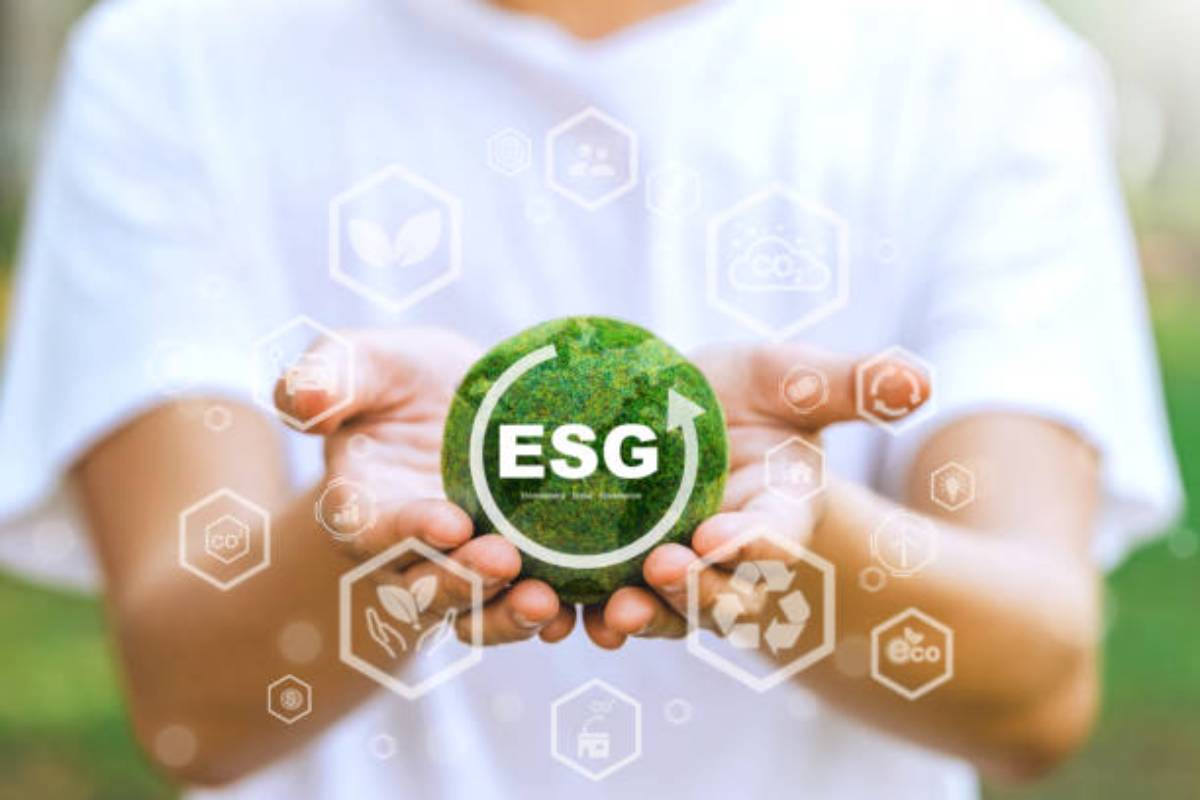
Building a Diversified ESG Portfolio: Combining Broad ETFs with Thematic Picks
When it comes to ESG investing in 2026, diversification is more than a buzzword—it’s a fundamental strategy to balance risk, growth, and sustainability impact. A well-constructed ESG portfolio doesn’t rely solely on a single fund or sector; instead, it strategically combines broad sustainable ETFs with thematic or sector-specific picks, creating a mix that’s both profitable and aligned with your values.
1. Start with Broad Sustainable ETFs as Your Core
Broad sustainable ETFs provide the backbone of your portfolio. These funds offer:
- Exposure to a wide variety of ESG-screened companies across multiple sectors.
- Stability and long-term growth potential.
- Lower volatility compared to niche ESG ETFs.
Some examples of strong core holdings for 2026 include:
| ETF Name | Focus | Expense Ratio | Notes |
|---|---|---|---|
| iShares ESG Aware MSCI USA ETF | US large & mid-cap ESG companies | 0.15% | Broad U.S. exposure with tech-heavy allocatioN |
| Vanguard ESG U.S. Stock ETF | ESG-focused US stocks | 0.09% | Low-cost, beginner-friendly core holding |
| iShares MSCI ACWI ESG Leaders ETF | Global ESG leaders | 0.20% | Adds international diversification |
By establishing a broad ESG foundation, you ensure your portfolio has diversification across sectors, geographies, and market caps, making it more resilient to market fluctuations.
2. Add Thematic ESG ETFs for Targeted Exposure
Once you have your core, consider thematic or sector-specific ESG ETFs to capitalize on high-growth sustainable trends. These can include:
- Clean Energy ETFs: Invest in companies driving the global transition to renewable energy, such as solar, wind, or hydrogen.
- Water & Resource ETFs: Focus on sustainable water management, recycling, and resource-efficient companies.
- Sustainable Infrastructure ETFs: Target companies building green infrastructure, smart cities, and eco-friendly transport.
Thematic ETFs add growth potential and innovation exposure, complementing your broad ESG holdings and aligning your portfolio with specific sustainability trends.
3. Diversify Across Asset Classes
Diversification isn’t limited to stocks. Including other asset classes within your ESG portfolio can balance risk:
- Sustainable Bond ETFs: Provide fixed-income stability and ethical investment exposure.
- Global ESG ETFs: Diversify by geography, capturing growth in emerging markets and developed economies.
- Sectoral ESG ETFs: For specialized focus on renewable energy, healthcare, or tech with ESG screening.
A mix of asset classes helps you weather market volatility while keeping your ESG impact consistent.
4. How to Decide Allocation Between Core and Thematic ETFs
Determining how much to allocate to broad versus thematic ESG ETFs depends on:
- Risk tolerance: Higher allocation to thematic ETFs may offer growth but increases volatility.
- Investment horizon: Longer-term investors can tolerate more thematic exposure.
- Sustainability goals: If your priority is maximizing ESG impact, you may overweight thematic sectors.
Sample allocation for a small investor in 2026:
| ETF Type | Allocation | Rationale |
|---|---|---|
| Broad ESG ETFs | 60–70% | Core stability and diversification |
| Thematic ESG ETFs | 20–30% | Growth potential and impact focus |
| Sustainable Bonds / Fixed Income | 10% | Risk mitigation and income stability |
This balance provides a resilient portfolio with room for growth, while staying aligned with ESG principles.
5. Monitor, Rebalance, and Adapt
A diversified ESG portfolio is not static. Markets and sustainability trends change, so your allocation should evolve over time:
- Quarterly or annual reviews: Check fund performance and ESG scoring updates.
- Rebalancing: Adjust allocations to maintain your target mix and risk level.
- New opportunities: Add emerging ESG ETFs or sectors as they gain credibility and performance.
Regular review ensures that your portfolio remains aligned with both your financial and ethical goals over the long term.
6. Benefits of Combining Broad and Thematic ETFs
By combining broad and thematic ETFs, small investors enjoy:
- Lower volatility than purely thematic portfolios.
- Exposure to growth sectors that reflect future sustainability trends.
- Alignment with personal ESG values, ensuring investments make a real-world impact.
- Better risk-adjusted returns, as diversified portfolios typically outperform concentrated holdings over the long run.
Building a diversified ESG portfolio in 2026 is both an art and a science. Broad sustainable ETFs provide a stable foundation, while thematic ETFs allow you to capitalize on high-growth ESG sectors. By diversifying across asset classes, balancing allocations, and monitoring performance, small investors can create a profitable, values-driven portfolio that thrives in today’s evolving market while making a meaningful impact on the world.
Remember, diversification is not just about spreading risk — it’s about maximizing both financial returns and sustainability impact, ensuring your money works as hard as your values demand.
Low-Cost and Beginner-Friendly Sustainable Investment Strategies with ETFs
For small investors stepping into ESG investing in 2026, the thought of building a sustainable ETF portfolio can feel overwhelming. The good news? You don’t need deep financial expertise or a huge budget to start. By focusing on low-cost, beginner-friendly strategies, you can create a portfolio that’s both accessible and aligned with your values and financial goals.
1. Emphasize Low-Fee ETFs
Fees are a silent performance killer. For small investors, even a 0.5% higher expense ratio can significantly reduce long-term returns. That’s why low-fee ESG ETFs are essential:
- Look for expense ratios below 0.15% for broad ESG ETFs.
- Compare ETFs tracking similar indices to find the lowest-cost options.
- Remember that some “specialized” thematic ETFs can have higher fees — balance cost with growth potential.
Example Low-Cost ETFs for Beginners in 2026:
| ETF Name | Focus | Expense Ratio | Notes |
|---|---|---|---|
| Vanguard ESG U.S. Stock ETF | Broad U.S. ESG | 0.09% | Ideal for beginners with low costs |
| iShares ESG Aware MSCI USA ETF | US ESG Large & Mid-Cap | 0.15% | Core ESG holding with strong diversification |
| SPDR S&P 500 ESG ETF | Broad ESG Large-Cap | 0.20% | Follows S&P 500 with ESG filters |
By starting with low-fee ETFs, you ensure more of your money stays invested, compounding over time.
2. Start Small and Use Dollar-Cost Averaging (DCA)
Investing doesn’t require a large lump sum. In fact, starting small can be an advantage:
- Dollar-cost averaging (DCA) involves investing a fixed amount regularly, e.g., monthly or quarterly.
- This strategy reduces market timing risk and helps you accumulate sustainable ETFs steadily, even during market volatility.
- Small, consistent investments compound over time, making ESG investing accessible for beginners.
DCA is especially effective for thematic ESG ETFs, which can experience short-term fluctuations due to sector-specific trends.
3. Focus on Core Holdings Before Adding Thematic ETFs
A common beginner mistake is jumping into niche ESG themes too early. Instead:
- Build a core portfolio of broad ESG ETFs covering the U.S. and international markets.
- Once your core is in place, introduce thematic ETFs like clean energy, water, or green infrastructure for growth and impact.
This approach keeps your portfolio stable and beginner-friendly, reducing unnecessary risk while you learn.
4. Diversify Within Your Budget
Diversification isn’t only for wealthy investors. Even with a small portfolio, you can:
- Spread your investment across different regions (U.S., Europe, emerging markets).
- Mix broad ESG ETFs with one or two thematic ETFs.
- Include sustainable bond ETFs for risk mitigation if you have a lower risk tolerance.
Even small investors benefit from risk reduction through diversification, making your ESG portfolio more resilient over time.
5. Leverage Robo-Advisors for ESG Investing
For beginners who want hands-off management, consider using ESG-focused robo-advisors:
- These platforms automatically allocate your money into low-cost, diversified ESG ETFs.
- Many offer automatic rebalancing and guidance on sustainable investing.
- Examples include services like Betterment’s ESG portfolio or Wealthfront ESG options
Robo-advisors simplify the process, making it easier for beginners to enter the world of ESG investing with confidence.
6. Monitor Costs, Performance, and ESG Scores
Even beginner-friendly strategies require basic monitoring:
- Track performance: Ensure your investments are meeting your financial goals.
- Monitor ESG scores: Companies can change practices; make sure your ETFs remain aligned with your values.
- Avoid hidden fees: Check trading costs, fund turnover, and other charges regularly.
Regular monitoring ensures your low-cost, beginner-friendly ESG portfolio grows efficiently while staying true to your sustainability objectives.
7. Focus on Long-Term Growth
Beginner-friendly ESG investing works best when you think long-term:
- Avoid reacting to short-term market swings or ESG news headlines.
- Maintain consistent contributions and stick with your core sustainable ETF holdings.
- Use thematic ETFs as strategic growth boosters, not as speculative bets.
Over time, even small investors can build a profitable, values-aligned ESG portfolio that competes with traditional investing approaches.
For small investors in 2026, building a low-cost, beginner-friendly sustainable ETF portfolio is entirely achievable. By focusing on low-fee ETFs, dollar-cost averaging, core holdings, strategic diversification, and long-term discipline, beginners can confidently step into ESG investing without feeling overwhelmed.
Starting small doesn’t mean thinking small — with the right strategies, even modest investments can grow into a profitable, purpose-driven ESG portfolio, empowering you financially while contributing positively to the planet and society.

Monitoring and Rebalancing Your ESG Portfolio for Long-Term Profitability
Building a sustainable ETF portfolio is just the beginning. The real challenge — and opportunity — comes in monitoring and rebalancing your investments over time. For small investors in 2026, a well-maintained ESG portfolio ensures both financial growth and alignment with your values, keeping your portfolio future-ready and resilient.
1. Why Monitoring Your ESG Portfolio Matters
Unlike traditional investments, ESG portfolios are dynamic:
- Companies evolve: Firms may improve or worsen in ESG performance.
- Market trends shift: Sectors like renewable energy or sustainable infrastructure can rise or fall quickly.
- Regulations change: New ESG disclosure rules or tax incentives can impact fund performance.
Regular monitoring helps you spot these changes early, allowing you to adjust your holdings proactively instead of reacting to crises.
Tip: Aim to review your portfolio at least quarterly, and conduct a deeper review annually to evaluate performance, costs, and ESG alignment.
2. Track ESG Scores and Fund Holdings
ESG scores are your compass in sustainable investing:
- Check MSCI ESG Ratings, Sustainalytics scores, or Morningstar ESG Ratings for updates.
- Ensure ETFs still exclude controversial industries or companies that don’t meet your ESG criteria.
- Look for transparency: Funds that regularly update their holdings make monitoring easier.
Why it matters: Not all funds labeled “sustainable” maintain strict ESG standards over time. Without monitoring, your portfolio could drift from your intended ESG goals.
3. Rebalancing to Maintain Your Target Allocation
Rebalancing is a critical tool to:
- Maintain your desired risk level
- Keep your portfolio aligned with growth goals
- Avoid over-concentration in one sector or region
How to rebalance:
- Compare your current allocation to your target allocation.
- Sell portions of overweight ETFs and buy underweight ETFs.
- Consider using new contributions to adjust allocations, minimizing transaction costs.
Example: If clean energy ETFs outperform and now make up 35% of your portfolio instead of 25%, rebalance by selling some shares or investing new funds in underrepresented sectors.
4. Adjust for Changes in Risk Tolerance or Life Goals
Your financial situation evolves, and so should your portfolio:
- Early career investors may tolerate more risk and focus on growth-oriented thematic ETFs.
- Approaching retirement? Shift toward lower-risk sustainable bonds and core ESG holdings.
- Major life changes, like buying a home or starting a family, may require adjusting your contribution levels or risk exposure.
Regular portfolio reviews help ensure your sustainable ETF portfolio matches both your financial and personal objectives.
5. Avoid Emotional Decision-Making
One of the biggest challenges for small investors is reacting to market noise:
- ESG sectors like renewable energy can experience short-term volatility.
- Avoid selling out of fear — instead, focus on long-term trends and fundamentals.
- Stick to your investment plan, reviewing data objectively rather than reacting emotionally.
Patience is especially important with thematic ESG ETFs, where growth may be uneven but promising over the long term.
6. Leverage Technology for Efficient Monitoring
You don’t have to manually track every ETF:
- Portfolio tracking apps: Many tools allow you to track performance, allocation, and ESG scores.
- Robo-advisors: Some automatically rebalance your ESG holdings according to your goals.
- Alerts and updates: Set notifications for major changes in ESG ratings or fund holdings.
Using technology ensures your portfolio stays aligned and efficient without constant manual effort.
7. The Long-Term Payoff
Consistent monitoring and disciplined rebalancing yield several benefits:
- Sustained profitability: Keeping allocations aligned with market performance ensures your portfolio grows steadily.
- Risk management: Avoid overexposure to volatile sectors while maintaining diversified ESG exposure.
- Alignment with values: Ensure your investments continuously support environmental, social, and governance principles.
A portfolio that is actively monitored and thoughtfully rebalanced can outperform passive ESG investing over the long run, creating a profitable, values-driven investment journey.
Monitoring and rebalancing your ESG portfolio is not a one-time task — it’s an ongoing commitment to financial growth, ethical alignment, and long-term sustainability. By regularly reviewing performance, tracking ESG scores, rebalancing allocations, and adjusting for life changes, small investors can maintain a profitable and smarter ESG portfolio that stays resilient through market cycles and evolving sustainability trends.
Remember: a well-maintained portfolio grows not just in value, but in impact, ensuring your investments make a difference for both you and the world.
Conclusion: A Future‑Ready ESG Portfolio
Building a profitable and smarter ESG portfolio with sustainable ETFs in 2026 isn’t just possible — it’s a savvy way to invest in both growth and purpose. By combining diversified core holdings, cost‑efficient picks, thematic exposure, and diligent research, small investors can craft portfolios that resonate with their values and financial goals.
Sustainable investing isn’t perfect, and standards keep evolving — but the journey toward aligning your money with your principles is both rewarding and empowering. With the strategies in this guide, you’ll be well on your way to creating an ESG portfolio that’s not only profitable, but meaningful, long into 2027 and beyond.
Here are a couple of useful LINKS links to deepen your understanding:
- For foundational knowledge on sustainable ETFs and ESG criteria, see ETF.com’s guide: https://www.etf.com/sections/etf-basics/sustainable-etfs-explained (etf.com)
- For more on how to start ESG investing and build a portfolio, Britannica’s guide is excellent: https://www.britannica.com/money/how-to-start-esg-investing (Encyclopedia Britannica)